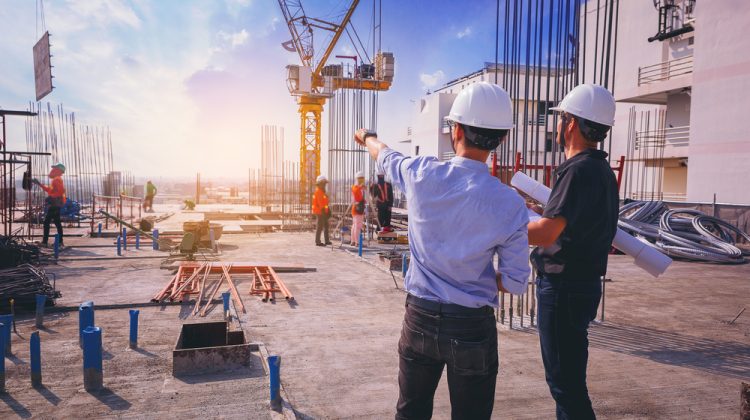
Construction Risk Monitoring: Tracking Risks for On-Time
Construction Risk Monitoring: Maintaining Control Throughout the Project Lifecycle
Construction projects operate in dynamic environments where conditions change rapidly. Even well-planned projects can face unexpected challenges if risks are not tracked continuously. Construction risk monitoring is the process of regularly tracking identified risks, evaluating their status, and ensuring control measures remain effective throughout the project lifecycle.
At AMs – Construction Project Management Consultancy, we implement structured construction risk systems that help clients maintain stability, transparency, and control.
What Is Construction Risk Monitoring?
Construction risk involves the continuous observation and review of project risks to detect early warning signs and deviations from planned controls. It ensures that identified risks do not escalate and that new risks are identified as the project evolves.
Unlike one-time risk assessments, construction risk is an ongoing activity integrated into daily project management processes.
Importance of Construction Risk Monitoring
Risks change over time due to design updates, site conditions, market fluctuations, and regulatory requirements. Effective construction risk offers several benefits:
-
Early detection of emerging risks
-
Prevention of cost overruns and schedule delays
-
Improved safety and regulatory compliance
-
Better decision-making through real-time insights
-
Increased stakeholder confidence and accountability
Without construction risk , even well-mitigated risks can re-emerge and disrupt project progress.
Key Risks Tracked Through Construction Monitoring
Financial Risks
Cost overruns, budget deviations, delayed payments, and cash flow issues are monitored through cost reports, forecasts, and variance analysis.
Schedule Risks
Delays due to labor shortages, supply chain disruptions, or productivity issues are tracked using progress reports and milestone reviews.
Technical and Quality Risks
Design changes, rework, and quality failures are monitored through inspections, audits, and quality control systems.
Legal and Contractual Risks
Claims, scope changes, and compliance issues are tracked through documentation control and contract administration systems.
Health, Safety, and Environmental Risks
Accidents, unsafe conditions, and environmental hazards are continuously monitored through site audits and safety reporting.
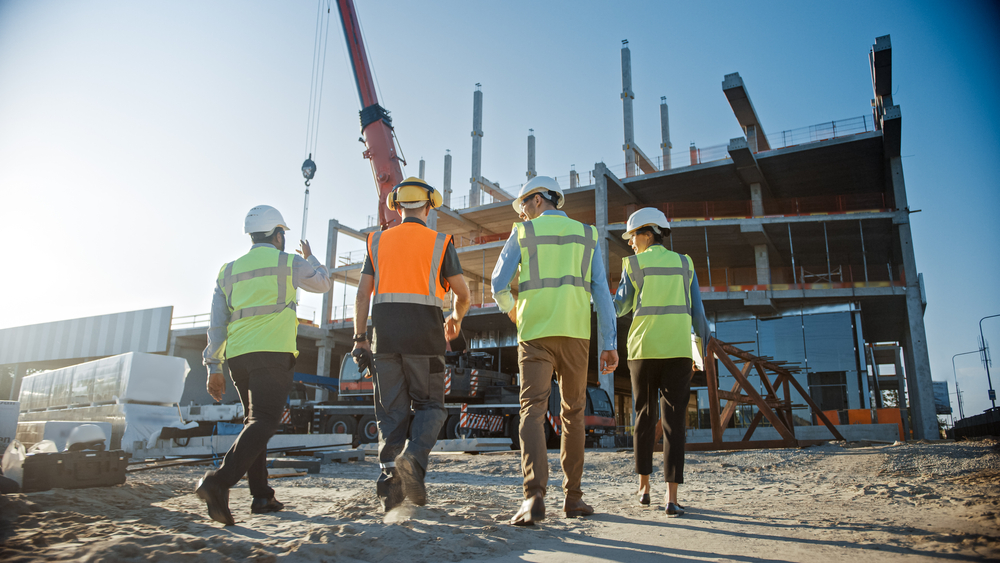
Construction Monitoring Process
Risk Tracking
Identified risks are recorded in a risk register and assigned owners responsible for monitoring and reporting.
Performance Measurement
Key performance indicators (KPIs) related to cost, time, quality, and safety are used to measure risk status and trends.
Status Review
Regular risk review meetings help evaluate whether risks are increasing, decreasing, or remaining stable.
Corrective Actions
When risk indicators exceed acceptable limits, corrective actions such as schedule recovery plans or revised methods are implemented.
Reporting and Communication
Clear reporting ensures all stakeholders remain informed about risk status and required actions.
Construction Monitoring Across Project Stages
Pre-Construction Stage
Risk monitoring begins with tracking approvals, design progress, cost estimates, and procurement readiness.
Construction Stage
During execution, construction monitoring focuses on productivity, safety performance, material supply, and coordination issues.
Post-Construction Stage
Monitoring continues through defect rectification, documentation completion, handover, and operational readiness.
Best Practices for Effective Construction Monitoring
Integrate with Project Controls
Construction monitoring should be aligned with cost control, scheduling, and quality management systems.
Use Digital Dashboards
Real-time dashboards and reporting tools improve visibility and response time.
Conduct Regular Audits
Independent audits verify the effectiveness of risk controls and monitoring systems.
Maintain Clear Accountability
Assigning clear ownership ensures timely updates and corrective actions.
Engage Professional Consultants
Experienced consultants bring structured methodologies and objective oversight to construction monitoring.
Role of Consultants in Construction Risk Monitoring
Professional consultants help design risk monitoring frameworks, define key indicators, and interpret risk trends. Their independent oversight ensures timely interventions and continuous improvement.
If you need expert support for construction monitoring, connect with our team today.
Construction Risk Monitoring in the Indian Construction Industry
Indian construction projects face evolving risks related to regulatory approvals, labor availability, land issues, and material price fluctuations. Adopting best practices and frameworks promoted by the Construction Industry Development Council (CIDC) strengthens construction monitoring across projects.
Conclusion
Construction monitoring is essential for maintaining control over project uncertainties. By continuously tracking risks, measuring performance, and taking timely corrective actions, project teams can prevent disruptions and protect project objectives. When supported by expert consultants and structured systems, construction monitoring ensures projects are delivered safely, on time, and within budget.
For professional construction monitoring services, reach out to AMs – Construction Project Management Consultancy today.