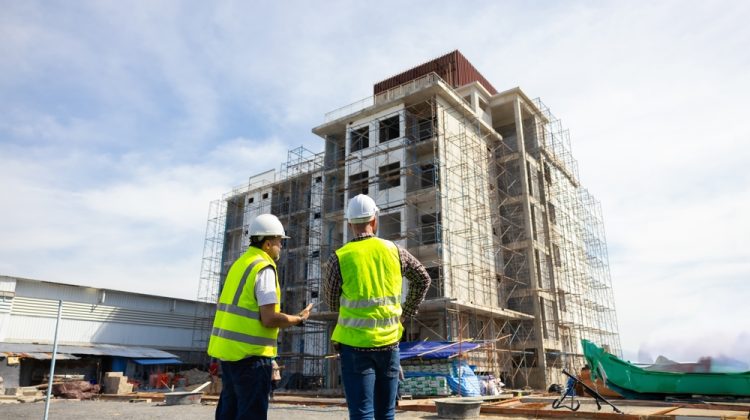
Design Risk in Construction Projects: Preventing Errors and Ensuring Accuracy
Design Risk in Construction Projects: Minimizing Errors and Improving Outcomes
Construction projects rely heavily on accurate and coordinated designs. Design risk in construction refers to potential problems arising from design errors, omissions, or miscommunication between stakeholders. Unmanaged design risks can result in cost overruns, delays, rework, and safety hazards. Proper management ensures smooth execution, cost control, and quality compliance.
At AMs – Construction Project Management Consultancy, we assist clients in identifying, analyzing, and mitigating design risk in construction to deliver error-free and timely results.
What Is Design Risk in Construction Projects?
Design risk in construction is the possibility that design-related issues may negatively affect project execution, cost, quality, or safety. These risks can occur due to incomplete drawings, lack of coordination between disciplines, inadequate specifications, or poor design review processes.
Effective management of design risk ensures that construction proceeds without unnecessary rework or disputes.
Importance of Managing Design Risk
Ignoring design risk can lead to significant financial and operational consequences. Proper management offers multiple benefits:
-
Reduces construction errors and rework
-
Prevents cost overruns and schedule delays
-
Ensures compliance with standards and regulations
-
Improves coordination among architects, engineers, and contractors
-
Enhances overall project quality and stakeholder satisfaction
Addressing design risk in construction proactively is crucial for successful delivery.
Common Causes of Design Risk in Construction Projects
Incomplete or Inaccurate Drawings
Missing dimensions, unclear specifications, or outdated drawings lead to construction errors.
Poor Coordination Between Disciplines
Lack of collaboration between structural, electrical, mechanical, and architectural teams increases design conflicts.
Inadequate Design Review
Skipping peer reviews or failing to validate design assumptions creates potential risks during construction.
Design Changes During Construction
Late-stage modifications disrupt workflow, cause rework, and escalate costs.
Lack of Compliance With Codes and Standards
Ignoring building codes, safety standards, or local regulations can result in legal issues and additional corrections.
Insufficient Risk Assessment
Failing to anticipate construction challenges or site conditions increases design risk.
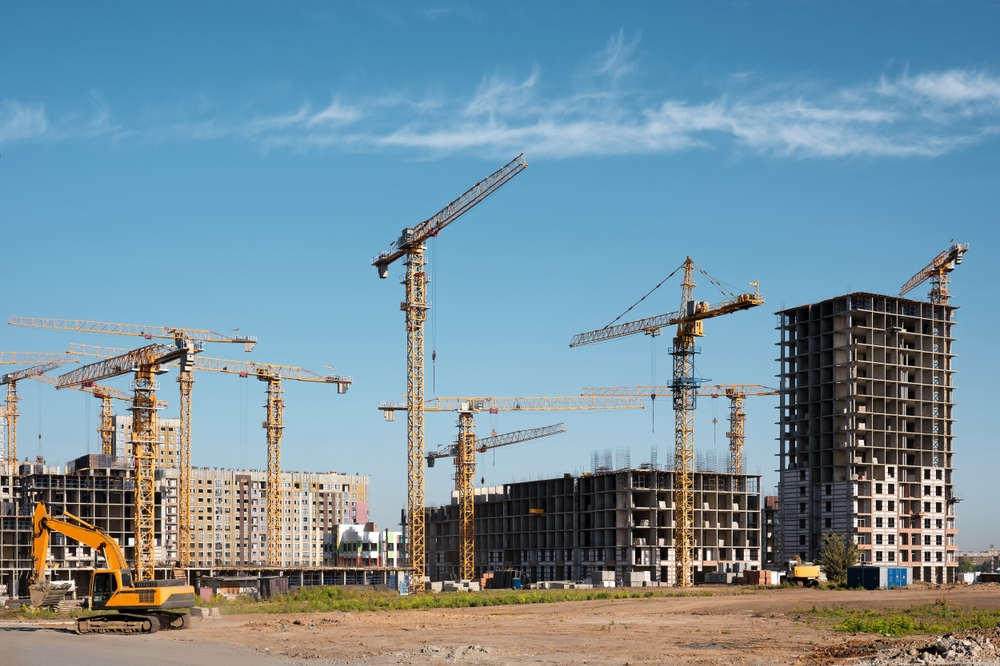
Design Risk Management Process in Construction Projects
Risk Identification
Identify potential design risks through workshops, document reviews, and historical data from similar projects.
Risk Analysis
Assess the probability and impact of each risk on cost, schedule, quality, and safety.
Risk Mitigation Planning
Develop strategies such as design validation, peer reviews, clash detection, and alternative solutions.
Monitoring and Control
Track design changes, coordination issues, and errors throughout the project lifecycle.
Documentation and Reporting
Maintain records of design revisions, approvals, and risk mitigation actions for accountability.
Best Practices to Minimize Design Risk in Construction Projects
Conduct Thorough Design Reviews
Peer reviews and cross-discipline coordination minimize errors and conflicts.
Implement Building Information Modeling (BIM)
BIM improves collaboration, detects clashes, and allows visualization of design elements.
Use Standardized Design Procedures
Standard templates, checklists, and design protocols reduce human errors.
Engage Experienced Consultants
Consultants provide expertise in reviewing and validating designs for constructability and compliance.
Integrate Risk Management Into Planning
Early identification and mitigation of design risk prevent costly issues during construction.
Role of Consultants in Managing Design Risk
Professional consultants bring an independent perspective and technical expertise to manage design risk in construction . They assist in design validation, clash detection, risk prioritization, and implementation of preventive measures.
If you need expert support in managing design risk in construction , connect with our team today.
Design Risk in the Indian Construction Industry
Indian construction projects face unique design challenges due to regulatory approvals, site conditions, and coordination among multiple contractors. Following best practices and guidelines from the Construction Industry Development Council (CIDC) strengthens design risk management across projects.
Conclusion
Design risk in construction projects can significantly impact cost, schedule, quality, and safety. By identifying potential risks early, implementing design reviews, using modern tools like BIM, and engaging professional consultants, construction teams can minimize errors and ensure project success. Proactive design risk management leads to improved efficiency, reduced rework, and higher stakeholder satisfaction.
For professional design risk management services, reach out to AMs – Construction Project Management Consultancy today.