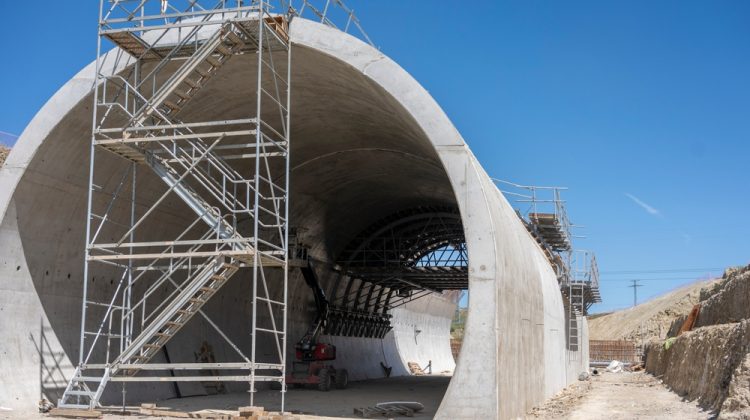
Design Change Delays in Construction Projects | Causes & Control
Design Change Delays in Construction Projects
Design change delays are a major contributor to project time overruns and cost escalation. As projects evolve, changes in drawings, specifications, or scope are often unavoidable. However, when these changes are introduced late or without proper coordination, they disrupt workflows, affect procurement, and delay critical activities.
Understanding design change delays in construction is essential for minimizing schedule impact, managing claims, and maintaining project control.
What Are Design Change Delays in Construction?
Design change delays occur when modifications to approved designs affect planned construction activities. These changes may involve architectural layouts, structural details, MEP systems, or material specifications.
Design change delays can arise during both pre-construction and execution phases and often have a cascading effect on time, cost, and quality.
Importance of Managing Design Change Delays in Construction
Design change delays are critical because they:
-
Interrupt planned construction sequences
-
Cause rework and productivity loss
-
Delay procurement and approvals
-
Increase project costs and overheads
-
Lead to Extension of Time (EOT) claims
-
Trigger disputes between stakeholders
Proactive management of design changes is essential to protect project timelines.
Common Causes of Design Change Delays
Incomplete Design at Tender Stage
Issuing projects with partially developed designs often results in frequent revisions during construction.
Client-Initiated Scope Changes
Late changes in functional requirements or aesthetics are a major source of design change delays.
Design Coordination Issues
Poor coordination between architectural, structural, and MEP designs leads to clashes and redesign.
Regulatory and Authority Requirements
Changes required to meet statutory approvals can delay design finalization.
Constructability Issues
Designs that are difficult to build often require revisions during execution.
Impact of Design Change Delays
Design change delays can result in:
-
Delay to critical path activities
-
Idle manpower and equipment
-
Rework and wastage of materials
-
Increased preliminaries and overhead costs
-
Claims for prolongation and disruption
-
Strained contractual relationships
Even minor design changes can have significant time impacts if they affect critical activities.

Design Change Delays in Construction and Claims
Design change delays are commonly classified as excusable and compensable delays when initiated by the client or consultant. Contractors may be entitled to:
-
Extension of Time (EOT)
-
Prolongation costs
-
Disruption and inefficiency claims
However, entitlement depends on proper notice, documentation, and delay impact analysis. Without clear records, claims related to design change delays may be rejected.
Managing Design Change Delays in Construction
Early Design Finalization
Freezing designs before construction commencement minimizes late-stage changes.
Change Control Procedures
Implementing formal change management systems ensures controlled approval and impact assessment.
Integrated Design Coordination
Regular coordination meetings reduce clashes and redesign.
Impact Assessment Before Approval
Evaluating time and cost impact before approving changes helps informed decision-making.
Regular Schedule Updates
Updating programmes ensures visibility of design change impacts on the critical path.
Consultant Support for Design Change Delays in Construction
Experienced consultants help manage and mitigate design change delays.
At AMs – Construction Project Management Consultancy, we assist clients with:
-
Design change impact analysis
-
Schedule and critical path review
-
Extension of Time (EOT) claims
-
Change management systems
-
Delay and disruption assessment
-
Dispute avoidance support
Get Expert Support for Construction Delay Management
Design Change Delays in Construction in Indian Projects
In India, design change delays frequently occur due to evolving client requirements, authority approvals, and coordination challenges. Best practices followed by the Central Public Works Department emphasize detailed design development, coordinated drawings, and controlled change management to minimize design-related delays.
Best Practices to Reduce Design Change Delays
Freeze Design Milestones
Clearly define design freeze stages.
Strengthen Design Coordination
Use coordinated models and reviews.
Maintain Clear Documentation
Record all changes and approvals.
Follow Contractual Notice Requirements
Timely notices protect entitlement.
Engage Delay Experts
Professional support ensures accurate impact assessment.
Conclusion
Design change delays are inevitable but manageable. With proper planning, structured change control, and professional delay analysis, their impact on project schedules can be significantly reduced. Effective management of design change delays not only protects timelines and budgets but also minimizes disputes and improves overall project delivery.
Read more related articles to enhance your knowledge and make informed decisions
Cost-Effective Modular Construction: Fast, and Sustainable Building Solutions
Smart Modular Buildings: Innovative, Efficient, and Sustainable Construction