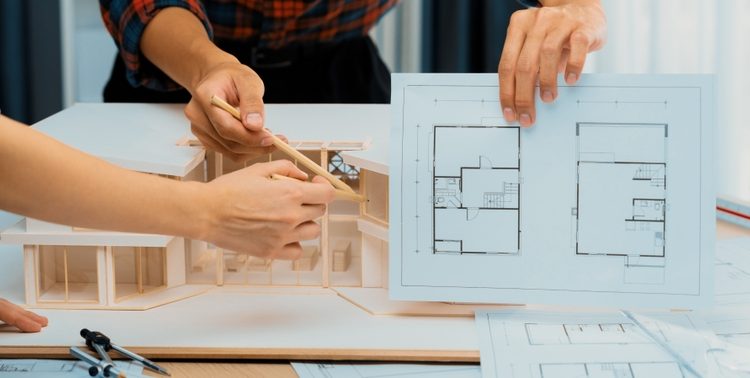
Execution Gaps in Construction Planning Explained
Execution Gaps in Construction Planning
Execution gaps in construction planning are one of the primary reasons projects fail during execution. Even the most detailed project plans can fall apart if they are not aligned with on-ground realities. These gaps occur when assumptions made during planning do not translate effectively into site execution, leading to delays, cost overruns, productivity losses, and quality issues.
In India’s construction and infrastructure sector—characterized by complex approvals, multiple stakeholders, and dynamic site conditions—addressing execution gaps in construction planning is critical for project success.
What Are Execution Gaps in Construction Planning?
Execution gaps in construction planning refer to mismatches between planned schedules, budgets, methodologies, and actual site implementation. These gaps often emerge when planning is done in isolation without sufficient input from execution teams.
Execution gaps in construction planning typically involve:
-
Unrealistic schedules and timelines
-
Inadequate resource planning
-
Incomplete method statements
-
Ignoring site constraints and interfaces
-
Poor integration of cost and schedule planning
Such gaps become visible only during execution, when corrective actions are costly and time-consuming.
Causes of Execution Gaps in Construction Planning
Execution gaps in construction planning are usually the result of systemic planning weaknesses.
Key causes include:
-
Limited involvement of site teams during planning
-
Over-optimistic timelines driven by commercial pressure
-
Inadequate risk assessment during planning
-
Lack of constructability reviews
-
Poor coordination between designers and planners
Without addressing these issues early, execution gaps in construction planning inevitably lead to downstream execution failures.
Impact of Planning-Related Execution Gaps
Execution gaps in construction planning have far-reaching consequences on overall project performance.
Major impacts include:
-
Schedule delays due to unrealistic sequencing
-
Cost overruns from extended durations and rework
-
Productivity losses caused by frequent stoppages
-
Quality issues due to rushed or reworked activities
-
Increased disputes and claims
Public sector organizations such as the Central Public Works Department emphasize robust planning validation and execution control to reduce such gaps in government projects.
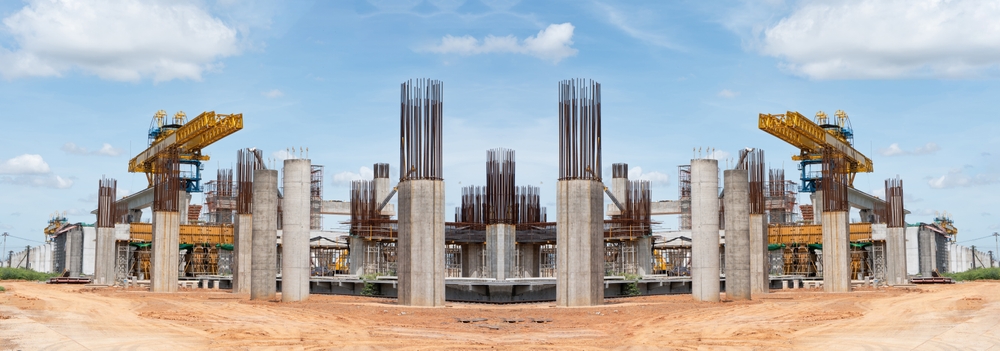
Key Planning Areas Where Execution Gaps Occur
Schedule Planning
Execution gaps in construction planning often arise from schedules that ignore ground realities, resource availability, and approval dependencies.
Resource Planning
Inadequate manpower, equipment, and subcontractor planning creates execution bottlenecks and productivity shortfalls.
Methodology and Constructability
Plans developed without constructability reviews result in impractical execution methods and frequent site changes.
Interface and Coordination Planning
Failure to plan interfaces between trades, contractors, and disciplines leads to clashes and rework.
Role of Monitoring in Bridging Planning Execution Gaps
Strong monitoring systems are essential to identify and correct execution gaps in construction early.
Effective monitoring includes:
-
Planned vs actual progress analysis
-
Productivity and resource tracking
-
Interface issue identification
-
Risk and constraint monitoring
Industry bodies such as the Construction Industry Development Council advocate integrated planning and execution monitoring frameworks to improve project outcomes.
Strategies to Reduce Execution Gaps in Construction Planning
Integrated Planning Approach
Involving execution teams, contractors, and site engineers during planning reduces unrealistic assumptions.
Constructability Reviews
Regular constructability assessments ensure plans are practical and executable.
Risk-Based Planning
Identifying execution risks during planning enables proactive mitigation strategies.
Linked Schedule and Cost Planning
Integrating planning with cost control improves budget predictability and cash flow management.
Technology-Driven Planning and Execution Alignment
Digital planning tools play a vital role in minimizing execution gaps in construction .
Technology enables:
-
4D scheduling and visualization
-
Resource-loaded schedules
-
Real-time plan updates
-
Better coordination across teams
Technology-driven planning improves transparency and alignment between planning and execution teams.
Role of Independent Project Management Consultants
Independent consultants help identify planning weaknesses and execution risks early. They review schedules, methodologies, and resource plans to ensure execution readiness.
For expert support in closing execution gaps in construction , you can contact our project management specialists here.
Best Practices to Avoid Planning-Related Execution Gaps
-
Involve site teams in planning stages
-
Validate schedules against site constraints
-
Conduct constructability and risk reviews
-
Maintain integrated planning and monitoring systems
-
Update plans regularly based on execution feedback
Conclusion
Execution gaps in construction are a major contributor to project delays, cost overruns, and execution failures. Unrealistic schedules, weak resource planning, and poor coordination between planning and execution teams often create disconnects that surface during construction. By adopting integrated planning approaches, strengthening monitoring systems, leveraging digital tools, and engaging experienced project management support, organizations can significantly reduce execution gaps in construction and ensure smoother, more predictable project delivery.
External Reference
For construction planning and execution guidelines, visit the official CPWD website:
https://cpwd.gov.in
Read more related articles to enhance your knowledge and make informed decisions
Cost-Effective Modular Construction: Fast, and Sustainable Building Solutions
Smart Modular Buildings: Innovative, Efficient, and Sustainable Construction