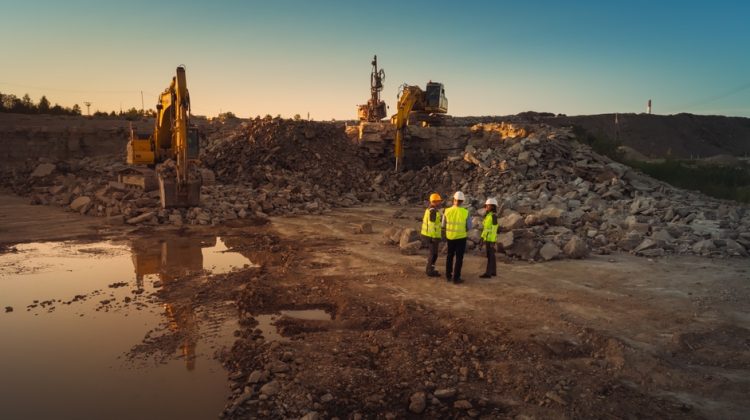
Project Management: Process, Strategies & Benefits
Project Management: Ensuring Successful Planning and Execution
Project Management is a structured approach to planning, executing, monitoring, and completing projects within defined scope, time, and budget. In today’s competitive business environment, effective project management ensures operational efficiency, cost control, and high-quality outcomes.
From construction and infrastructure to IT and manufacturing, project management plays a vital role in delivering projects successfully while minimizing risks and maximizing profitability.
What is Project Management?
Project Management refers to the application of knowledge, skills, tools, and techniques to achieve specific project objectives. It includes defining project scope, setting timelines, allocating resources, managing budgets, and ensuring stakeholder satisfaction.
Effective integrates cost control, risk management, and performance monitoring to deliver successful outcomes.
Importance of Project Management in Business
Strong practices help organizations complete projects on time and within budget. Without structured planning, businesses may experience cost overruns, delays, and quality issues.
Project management provides a clear roadmap for teams, improves communication, and ensures accountability. It supports better decision-making and reduces uncertainties during project execution.
Key Phases of Project Management
1. Project Initiation
The first stage of involves defining objectives, scope, and feasibility. Clear planning sets the foundation for success.
2. Project Planning
Detailed scheduling, budgeting, and resource allocation occur during this phase. Effective ensures that all tasks are well-coordinated.
3. Project Execution
Teams implement the plan while maintaining communication and quality standards.
4. Monitoring and Control
Continuous tracking of progress, expenses, and risks ensures the project remains aligned with objectives.
5. Project Closure
The final phase of includes evaluation, documentation, and formal completion.
Benefits of Effective Project Management
Timely Delivery
Structured ensures deadlines are met.
Cost Efficiency
Monitoring budgets prevents overspending and financial losses.
Risk Reduction
Proactive identification of risks improves project stability.
Improved Team Coordination
Clear communication enhances collaboration and productivity.
Project Management in Infrastructure and Commercial Sectors
In industries such as construction and infrastructure, ensures that procurement, vendor coordination, budgeting, and scheduling align with project goals. It helps manage contract terms, control costs, and maintain quality standards.
Project managers collaborate with commercial and finance teams to integrate strategies with overall business objectives.
Challenges in Project Management
Despite its advantages, can face challenges such as scope changes, resource shortages, regulatory requirements, and market fluctuations.
To overcome these challenges, businesses should adopt digital tools, conduct regular performance reviews, and implement structured risk management practices.
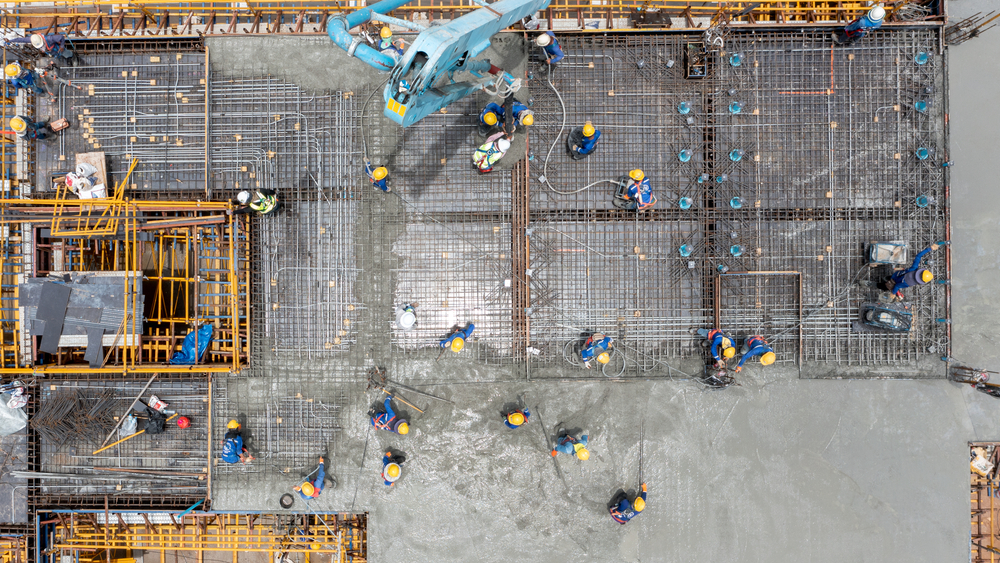
Best Practices for Project Management
-
Define clear project objectives and scope.
-
Develop realistic timelines and budgets.
-
Use project management software for tracking.
-
Conduct regular team meetings and updates.
-
Monitor risks and implement corrective actions promptly.
If your organization is seeking professional guidance to strengthen practices, connect with experts.
Conclusion
In today’s fast-paced business landscape, Project Management is essential for delivering projects efficiently and profitably. From initiation and planning to execution and closure, ensures structured coordination and accountability.
Organizations that prioritize effective gain improved efficiency, reduced risks, and enhanced profitability. By adopting best practices and leveraging technology, businesses can ensure consistent project success and long-term growth.
For professional support in conducting stakeholder-focused project audits and reporting, connect here.
Read more related articles to enhance your knowledge and make informed decisions
Cost-Effective Modular Construction: Fast, and Sustainable Building Solutions
Smart Modular Buildings: Innovative, Efficient, and Sustainable Construction