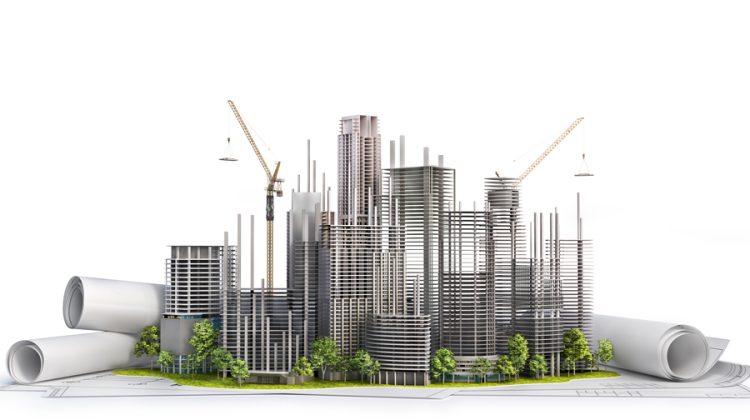
Green Project Management in Construction 2026
Green Project Management: Driving Sustainable Project Success
In 2026, Green Project Management has become a strategic approach for organizations seeking to align profitability with environmental responsibility. As sustainability expectations increase from investors, regulators, and clients, project managers are integrating eco-friendly practices into every phase of construction and infrastructure development.
Green management ensures that projects are delivered on time and within budget while minimizing environmental impact and maximizing long-term value.
What Is Green Project Management?
Green Management refers to the integration of environmental sustainability principles into project planning, execution, monitoring, and closure. It focuses on reducing resource consumption, minimizing waste, lowering carbon emissions, and improving social responsibility throughout the project lifecycle.
This approach supports ESG goals and sustainable infrastructure development.
Core Principles of Green Management
1. Sustainable Planning
Projects begin with environmental impact assessments, risk evaluations, and sustainability targets aligned with corporate ESG strategies.
2. Resource Efficiency
Efficient use of materials, energy, and water reduces environmental impact and project costs.
3. Carbon Management
Tracking and reducing carbon emissions during construction activities supports climate goals.
4. Waste Reduction Strategies
Recycling, material reuse, and lean construction practices help minimize landfill waste.
5. Stakeholder Engagement
Transparent communication with communities, suppliers, and regulatory bodies strengthens social responsibility.
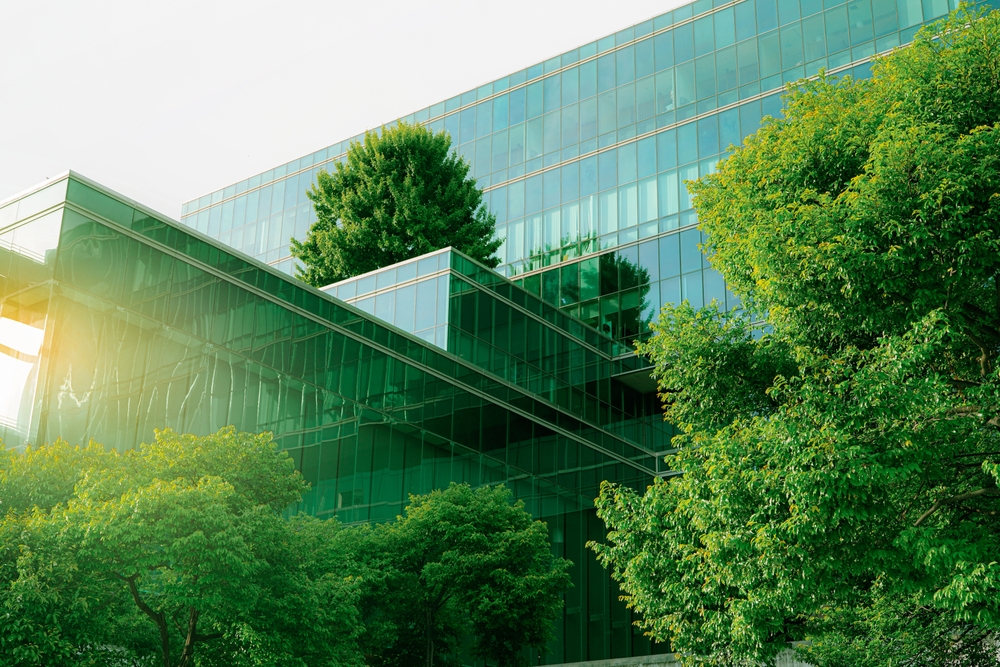
Benefits of Green Project Management
Lower Environmental Impact
Reduces greenhouse gas emissions and resource depletion.
Cost Savings
Efficient resource use lowers operational and material expenses.
Improved ESG Performance
Enhances environmental, social, and governance ratings.
Regulatory Compliance
Aligns with environmental policies and sustainability standards.
Competitive Advantage
Attracts investors and clients seeking responsible business partners.
Tools and Technologies Supporting Green Project Management
Modern technologies enhance green management through:
-
Building Information Modeling (BIM)
-
Digital carbon tracking systems
-
Smart energy monitoring tools
-
Lifecycle assessment (LCA) software
-
Sustainable procurement platforms
These tools improve decision-making and sustainability performance.
Policy and Regulatory Support in India
In India, environmental sustainability frameworks and construction guidelines are guided by the Ministry of Environment, Forest and Climate Change.
Additionally, global sustainability reporting standards from the Global Reporting Initiative (GRI) encourage structured ESG disclosures in project management.
Challenges in Implementing Green Project Management
Despite clear benefits, challenges include:
-
Higher initial planning requirements
-
Limited sustainability expertise
-
Supply chain transparency issues
-
Data collection and reporting complexities
However, growing regulatory pressure and investor expectations are accelerating adoption.
Future of Green Project Management
Looking ahead, green management will focus on:
-
Net-zero project targets
-
AI-driven sustainability analytics
-
Circular economy integration
-
Green financing models
-
Climate-resilient infrastructure planning
These trends will further embed sustainability into mainstream project delivery.
Conclusion
Green Management is reshaping how construction and infrastructure projects are planned and executed. By integrating environmental responsibility, resource efficiency, and strong governance, organizations can deliver projects that are both profitable and sustainable.
For professional support in conducting stakeholder-focused project audits and reporting, connect here.
Read more related articles to enhance your knowledge and make informed decisions
Cost-Effective Modular Construction: Fast, and Sustainable Building Solutions
Smart Modular Buildings: Innovative, Efficient, and Sustainable Construction