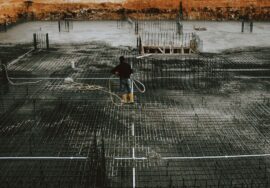
Construction Fraud Detection for Risk Prevention & Financial Control
Construction Fraud Detection for Financial Security and Transparency
Construction fraud detection is a critical process that helps identify, prevent, and investigate fraudulent activities within construction projects. With large budgets, multiple vendors, and complex contracts involved, the construction industry is vulnerable to financial misconduct. A structured Construction detection system safeguards organizations from losses, reputational damage, and legal consequences.
As infrastructure development continues to expand, Construction detection has become an essential component of strong project governance and risk management.
Importance of Construction Fraud Detection
Construction projects involve numerous transactions, procurement decisions, and billing processes. Without proper oversight, fraudulent practices such as inflated invoices, kickbacks, or false claims may occur. Construction detection helps uncover irregularities before they escalate into major financial issues.
Regulatory oversight bodies like the Ministry of Housing and Urban Affairs emphasize accountability and transparency in infrastructure spending. Implementing Construction detection measures supports compliance with these regulatory standards.
By proactively identifying suspicious activities, Construction detection protects both public and private sector investments.
Common Types of Fraud in Construction
A comprehensive Construction detection framework addresses several types of fraudulent behavior.
Billing and Invoice Fraud
This includes duplicate billing, inflated quantities, or charging for uncompleted work. Construction detection reviews invoices and payment records to verify accuracy.
Procurement Fraud
Unfair vendor selection, kickbacks, or conflict of interest situations can increase project costs. Construction detection evaluates procurement procedures and supplier agreements.
Payroll Fraud
Ghost employees or falsified labor hours may lead to financial losses. Construction detection cross-checks payroll records with attendance data and site reports.
Contract Manipulation
Altering contract terms without proper approval can create financial discrepancies. Construction detection ensures contract modifications follow formal authorization procedures.
Industry organizations such as the Construction Industry Development Council promote ethical practices and internal controls that strengthen fraud prevention systems.

Steps Involved in Construction Fraud Detection
An effective Construction detection strategy follows a structured approach.
First, organizations establish clear policies and internal controls. Next, Construction detection involves reviewing financial records, procurement files, and billing statements for inconsistencies.
Data analysis plays a significant role. Construction detection tools can identify unusual patterns, duplicate transactions, or abnormal cost trends. Interviews and site inspections further support the investigation process.
Finally, a detailed report is prepared outlining findings, corrective actions, and preventive measures. This structured Construction detection process helps organizations reduce future risks.
Benefits of Construction Detection
Implementing Construction detection offers multiple long-term advantages.
-
Protects project budgets from financial loss
-
Enhances compliance and transparency
-
Reduces legal and reputational risks
-
Strengthens internal control systems
-
Improves stakeholder trust
By maintaining consistent monitoring, Construction fraud detection creates a culture of accountability within construction organizations.
Conclusion
The construction industry handles large financial transactions and complex supply chains, making it vulnerable to fraudulent activities. Construction fraud detection provides a proactive defense against financial misconduct and operational irregularities. By reviewing procurement, billing, payroll, and contracts, Construction fraud detection ensures that projects remain financially secure and ethically managed.
Adopting a structured Construction fraud detection framework not only protects investments but also enhances transparency and governance standards. In today’s competitive environment, strong fraud prevention measures are essential for sustainable growth and long-term project success.