Project Management Lifecycle Phases: A Guideline for Successful Project Execution
Project Management Lifecycle Phases
The project management lifecycle phases provide a structured approach to managing projects from start to finish. These phases ensure that every project is planned, executed, and completed efficiently while meeting objectives and stakeholder expectations.
Understanding the project management lifecycle phases helps organizations improve control, reduce risks, and achieve successful project outcomes.
What are Project Management Lifecycle?
Project management lifecycle refer to the sequential stages a project goes through, from initiation to closure. Each phase has specific goals, deliverables, and processes that guide the project team.
These phases create a roadmap that ensures all aspects of the project are managed systematically.
Key Project Management Lifecycle
1. Initiation Phase
The initiation phase is the starting point of the project. In this phase:
- Project goals are defined
- Feasibility is assessed
- Stakeholders are identified
- Project charter is created
This phase sets the foundation for all project management lifecycle phases.
2. Planning Phase
The planning phase is one of the most critical stages. It involves:
- Defining project scope
- Creating schedules and timelines
- Budget planning
- Risk management planning
A detailed plan ensures smooth execution across all project management lifecycle.
3. Execution Phase
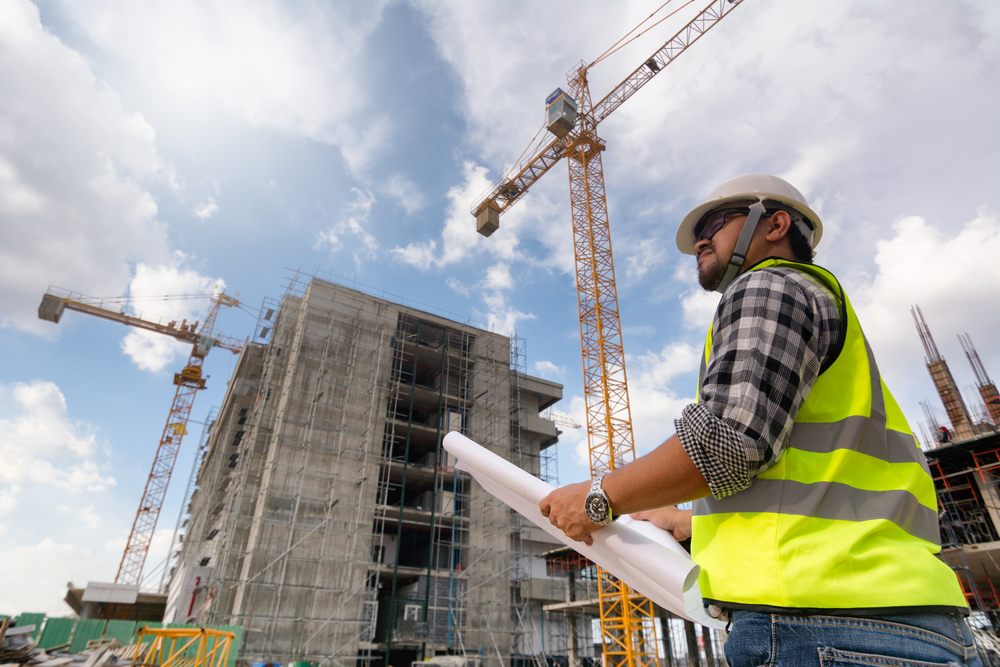
In this phase, the project plan is put into action. Key activities include:
- Task execution
- Resource allocation
- Team coordination
- Communication management
Effective execution ensures that project deliverables are completed as planned.
4. Monitoring and Controlling Phase
This phase runs parallel to execution and focuses on:
- Tracking progress
- Measuring performance
- Managing changes
- Identifying risks
Continuous monitoring is essential in project management lifecycle to ensure the project stays on track.
5. Closure Phase
The closure phase marks the completion of the project. It involves:
- Final deliverables submission
- Stakeholder approval
- Documentation of lessons learned
- Project evaluation
Proper closure ensures a smooth transition and valuable insights for future projects.
Benefits of Project Management Lifecycle
Structured Approach
The project management lifecycle phases provide a clear structure for managing projects.
Better Risk Management
Risks are identified and managed at each stage.
Improved Communication
Defined phases improve communication among stakeholders.
Increased Efficiency
Systematic processes enhance productivity and reduce delays.
Higher Success Rate
Projects are more likely to be completed on time and within budget.
Best Practices for Managing Lifecycle Phases
Define Clear Objectives
Ensure each phase has specific goals and deliverables.
Maintain Documentation
Document all processes and decisions for better control.
Use Project Management Tools
Leverage tools to manage tasks, timelines, and resources.
Monitor Progress Regularly
Track performance and make adjustments as needed.
Engage Stakeholders
Keep stakeholders informed and involved throughout the lifecycle.
Common Challenges
- Poor planning
- Lack of communication
- Scope creep
- Inadequate monitoring
Addressing these challenges improves the effectiveness of project management lifecycle phases.
External Resource
For more insights into project planning and lifecycle management in India, refer to:
NITI Aayog – https://www.niti.gov.in
Conclusion
Understanding the project management lifecycle phases is essential for delivering successful projects. Each phase plays a crucial role in ensuring that projects are well-planned, executed, and completed efficiently.
By following best practices and maintaining a structured approach, organizations can improve project outcomes and achieve long-term success.
Need expert guidance for managing your projects effectively? Connect here:
https://amsindia.co.in/contact-us/
Read more related articles to enhance your knowledge and make informed decisions
Cost-Effective Modular Construction: Fast, and Sustainable Building Solutions
Smart Modular Buildings: Innovative, Efficient, and Sustainable Construction