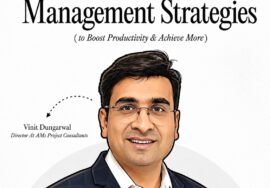
Enterprise Project Management: Driving Business Efficiency in 2026
Enterprise Project Management: Driving Business Efficiency in 2026
Enterprise Project Management (EPM) has become a critical business strategy in 2026 as organizations manage increasingly complex projects across multiple departments, teams, and locations. Modern businesses rely on enterprise project management systems to improve coordination, optimize resources, and ensure projects align with organizational goals.
Unlike traditional project management, enterprise project management focuses on managing projects at a company-wide level. It combines strategic planning, workflow automation, data analytics, and collaboration tools to improve overall business performance and decision-making.
What Is Enterprise Project Management?
Enterprise project management is a structured approach used by organizations to manage multiple projects, programs, and portfolios across the entire business. EPM helps companies standardize processes, improve resource allocation, and monitor project performance through centralized systems.
Enterprise project management includes:
- Portfolio management
- Resource planning
- Workflow automation
- Risk management
- Financial tracking
- Team collaboration
- Performance reporting
EPM systems help businesses ensure that projects support long-term strategic objectives while improving operational efficiency.
Why Enterprise Project Management Is Important
Modern organizations often handle multiple projects simultaneously. Without a centralized management system, businesses may face delays, budget overruns, communication gaps, and resource conflicts.
Benefits of enterprise project management include:
- Improved project visibility
- Better resource utilization
- Stronger team collaboration
- Faster decision-making
- Improved risk management
- Increased productivity
- Better alignment with business goals
Industry reports show that organizations using enterprise project management frameworks achieve higher project success rates and improved operational performance.
Key Features of Enterprise Project Management
Centralized Project Control
Enterprise project management platforms provide a centralized system for monitoring all projects within an organization.
Key features include:
- Unified dashboards
- Project tracking systems
- Portfolio visibility
- Workflow management
- Real-time reporting
Centralized control improves transparency and decision-making across departments.
Resource Management and Allocation
EPM systems help businesses manage employee workloads, budgets, and operational resources efficiently.
Resource management features include:
- Capacity planning
- Workforce allocation
- Budget monitoring
- Resource forecasting
- Utilization tracking
Efficient resource allocation reduces operational bottlenecks and improves productivity.
Workflow Automation
Automation is becoming an essential part of enterprise project management in 2026.
Automated workflows can manage:
- Task assignments
- Approval processes
- Status updates
- Notifications
- Reporting systems
Automation reduces manual administrative work and improves operational consistency.
AI and Analytics in Enterprise Project Management
Artificial Intelligence is transforming enterprise project management through predictive analytics and intelligent automation.
AI-powered EPM systems help businesses:
- Predict project risks
- Optimize schedules
- Improve resource planning
- Analyze performance data
- Automate reporting
Data-driven insights allow organizations to make faster and more accurate business decisions.
Businesses seeking workflow optimization and enterprise management solutions can explore services offered by AMS India for modern operational support.
Enterprise Project Management Methodologies
Agile Enterprise Management
Agile frameworks help organizations improve flexibility and adapt quickly to changing business requirements.
Waterfall Project Management
Traditional waterfall models provide structured planning and controlled execution for large-scale projects.
Hybrid Project Management
Many organizations combine agile and traditional methodologies to balance flexibility with operational stability.
Hybrid project management is becoming increasingly popular for managing complex business operations.
Industries Using Project Management
Information Technology
IT companies use EPM systems to manage software development, infrastructure projects, and digital transformation initiatives.
Construction and Engineering
Large construction firms rely on project management for scheduling, budgeting, and resource coordination.
Healthcare
Healthcare organizations use EPM to manage compliance, operations, and technology implementation projects.
Manufacturing
Manufacturers use enterprise management systems to optimize production workflows and supply chain operations.
Financial Services
Banks and financial institutions use EPM platforms for risk management, compliance tracking, and strategic planning.
Benefits of Project Management
Improved Business Alignment
EPM ensures that all projects support overall organizational objectives.
Better Risk Management
Centralized monitoring helps identify and manage operational risks early.
Enhanced Collaboration
Cross-functional teams can communicate and collaborate more effectively using shared platforms.
Increased Productivity
Automation and workflow optimization reduce delays and improve operational efficiency.
Better Financial Control
EPM systems help businesses monitor budgets, forecast expenses, and improve financial planning.
Challenges of Project Management
Complex Implementation
Large organizations may face challenges when integrating enterprise management systems across departments.
Employee Training Requirements
Teams need proper training to use EPM tools and workflows effectively.
Resistance to Organizational Change
Employees may hesitate to adopt new technologies and management processes.
Data Security Risks
Enterprise systems must maintain strong cybersecurity and data protection measures.
Businesses should focus on structured implementation strategies and employee engagement to overcome these challenges.
Best Practices for Successful Project Management
Define Clear Business Goals
Projects should align with the organization’s strategic objectives and operational priorities.
Use Scalable Project Management Tools
Businesses should invest in flexible platforms that support growth and changing operational needs.
Focus on Communication
Strong communication systems improve collaboration and project transparency.
Invest in Employee Training
Training ensures teams understand workflows, tools, and enterprise management processes.
Monitor Performance Continuously
Regular reporting and analytics help organizations improve efficiency and decision-making.
For businesses seeking expert consultation and workflow support, visit AMS India Contact Us.
Future of Project Management
The future of project management will focus heavily on AI integration, predictive analytics, and intelligent automation.
Emerging trends include:
- AI-powered project assistants
- Automated workflow systems
- Predictive resource planning
- Real-time business analytics
- Cloud-based collaboration platforms
Organizations adopting advanced EPM systems will gain greater flexibility, operational efficiency, and competitive advantage.
Conclusion
Project management is becoming essential for businesses managing complex operations and multiple projects in 2026. By combining centralized control, automation, analytics, and collaboration tools, EPM helps organizations improve productivity, reduce risks, and achieve long-term business goals.
As digital transformation continues to evolve, project management will remain a key strategy for improving operational performance and business growth. For additional insights into India’s technology and innovation ecosystem, visit Digital India.
Need help implementing automation in your projects? Connect with experts here:
https://amsindia.co.in/contact-us/
Read more related articles to enhance your knowledge and make informed decisions
Cost-Effective Modular Construction: Fast, and Sustainable Building Solutions
Smart Modular Buildings: Innovative, Efficient, and Sustainable Construction