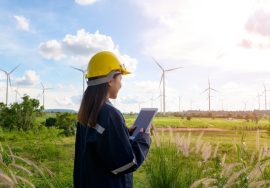
Asset Management: Optimize Value & Performance
Asset Management: Maximizing Value Across the Asset Lifecycle
Asset Management is the structured approach to acquiring, operating, maintaining, and disposing of assets in a way that maximizes value and minimizes risk. It ensures that physical, financial, and digital assets deliver optimal performance throughout their lifecycle.
Organizations across infrastructure, manufacturing, energy, IT, and finance rely on strong practices to improve operational efficiency, reduce downtime, and protect investments.
What is Asset Management?
Asset Management refers to the systematic coordination of activities that optimize the performance, risk, and cost of assets over time. Assets may include machinery, buildings, vehicles, equipment, technology systems, or financial investments.
The goal is to balance performance, cost efficiency, and risk exposure while ensuring long-term sustainability.
Importance of Asset Management
Effective Asset Management helps organizations:
Improve Operational Efficiency
Well-maintained assets operate reliably and reduce downtime.
Reduce Lifecycle Costs
Planned maintenance lowers repair and replacement expenses.
Enhance Financial Planning
Clear asset tracking supports accurate budgeting and forecasting.
Mitigate Risk
Proactive monitoring prevents unexpected failures and safety issues.
International standards such as those developed by the International Organization for Standardization (ISO 55000 series) provide structured frameworks for implementing systematic lifecycle practices.
Key Components of Effective Asset Management
1. Asset Identification & Register
Maintaining a centralized asset register ensures visibility of all owned resources, including their value, location, and condition.
2. Lifecycle Planning
Lifecycle planning evaluates acquisition, operation, maintenance, and disposal costs to optimize long-term value.
3. Preventive Maintenance
Scheduled inspections and servicing reduce the risk of breakdowns and costly downtime.
4. Performance Monitoring
Tracking utilization rates and performance indicators helps improve efficiency and productivity.
5. Risk & Compliance Management
Ensuring assets comply with regulatory and safety standards minimizes legal and operational risks.
Asset Management in Infrastructure & Engineering
In large infrastructure projects is critical due to high capital investments and long operational life.
Companies such as Larsen & Toubro apply structured lifecycle strategies to manage equipment, facilities, and large-scale project resources effectively.
Poor oversight in asset-intensive industries can result in performance loss, increased operational costs, and safety concerns.
Common Challenges
Organizations often face:
-
Inaccurate asset records
-
Lack of maintenance planning
-
High repair costs
-
Inefficient asset utilization
-
Limited technology integration
Addressing these challenges requires digital asset tracking systems and disciplined management processes.

Best Practices for Strong Asset Management
-
Develop a comprehensive asset register.
-
Implement preventive maintenance programs.
-
Use technology for real-time monitoring.
-
Conduct periodic asset audits.
-
Align lifecycle strategies with financial planning.
Structured oversight ensures long-term performance and cost efficiency.
Benefits of Structured Asset Management
Higher Return on Investment
Optimized utilization improves asset productivity.
Reduced Downtime
Preventive planning minimizes operational disruptions.
Better Budget Control
Lifecycle costing enhances financial predictability.
Improved Safety & Compliance
Regular monitoring ensures regulatory adherence.
Conclusion
Asset is essential for organizations seeking to maximize value from their resources while controlling risk and cost. By implementing lifecycle planning, preventive maintenance, and performance monitoring, businesses can enhance operational reliability and financial stability.
A proactive and structured approach ensures assets deliver sustained performance and support long-term organizational growth.
Read more related articles to enhance your knowledge and make informed decisions
Cost-Effective Modular Construction: Fast, and Sustainable Building Solutions
Smart Modular Buildings: Innovative, Efficient, and Sustainable Construction