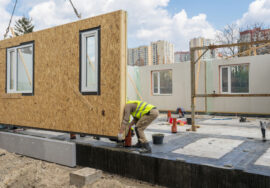

Budget Overruns Due to Delays: Causes, Impacts, and Control Strategies
Budget Overruns Due to Delays: A Critical Construction Risk
Budget overruns due to delays are one of the most common and damaging challenges in construction and infrastructure projects. Even projects with well-prepared budgets can quickly lose financial control when timelines slip. Delays increase indirect costs, extend resource deployment, and trigger claims—ultimately leading to budget overruns due to delays that strain finances and stakeholder relationships.
In today’s complex project environment, controlling schedule performance is directly linked to controlling project costs.
Understanding Budget Overruns Due to Delays
Budget overruns due to delays occur when project timelines exceed the planned schedule, causing additional costs that were not accounted for in the original budget. These costs include extended site overheads, additional labor and equipment expenses, price escalation, financing charges, and contractual claims.
Unlike cost overruns caused by scope changes or estimation errors, delay-driven overruns are often gradual and harder to detect without strong monitoring systems.
Common Causes of Delays Leading to Budget Overruns
Poor Planning and Scheduling
Inadequate project planning and unrealistic timelines increase the likelihood of delays and cost escalation.
Delayed Approvals and Clearances
Late approvals, regulatory delays, and slow decision-making extend project durations.
Design Changes and Rework
Late design modifications disrupt progress and increase both time and cost.
Resource Constraints
Shortages of labor, materials, or equipment reduce productivity and extend execution time.
Contractor Performance Issues
Low productivity, coordination failures, and subcontractor delays contribute significantly to schedule slippage.
External Factors
Weather conditions, market volatility, and unforeseen site conditions also cause delays.
Cost Impacts of Budget Overruns Due to Delays
Budget overruns due to delays affect projects in multiple ways:
-
Increased site overheads and preliminaries
-
Higher labor and equipment costs
-
Escalation in material prices
-
Additional financing and interest costs
-
Extension of time (EOT) claims
-
Liquidated damages or penalties
-
Reduced contractor margins and profitability
Over time, these impacts compound, making recovery difficult without additional funding.
Budget Overruns Due to Delays Across Project Phases
Pre-Construction Phase
Unrealistic schedules and weak risk assessment create fragile timelines that fail under real conditions.
Construction Phase
Execution delays directly increase daily running costs and trigger claims.
Post-Construction Phase
Extended completion dates delay final payments and increase retention-related cash flow pressure.
Strategies to Control Budget Overruns Due to Delays
Realistic Schedule Planning
Develop achievable timelines based on scope, resources, and risk analysis.
Integrated Cost and Schedule Control
Linking cost data with schedule progress helps quantify delay-related cost impacts early.
Regular Progress Monitoring
Frequent schedule reviews identify slippage before it becomes critical.
Proactive Change Management
Early evaluation of design changes prevents unnecessary disruptions.
Productivity Tracking
Monitoring labor and equipment productivity highlights inefficiencies quickly.
Risk-Based Contingency Planning
Including time-related contingencies protects budgets from unavoidable delays.

Role of Consultants in Managing Delay-Driven Budget Overruns
Professional consultants play a key role in identifying, monitoring, and mitigating budget overruns due.
At AMs – Construction Project Management Consultancy, we help clients control delay-related costs through:
-
Schedule risk analysis and mitigation planning
-
Integrated cost and time monitoring
-
Delay impact and cost analysis
-
Extension of time and claims advisory
-
Independent project controls and reporting
Speak to Our Project Controls Experts
Budget Overruns Due to Delays in the Indian Construction Sector
In India, construction delays are often caused by land acquisition issues, regulatory approvals, labor dependency, and coordination challenges. Industry bodies like the Construction Industry Development Council emphasize professional project planning, integrated controls, and governance frameworks to reduce budget overruns due and improve project delivery outcomes.
Best Practices to Prevent Delay-Driven Budget Overruns
Assign Clear Schedule Accountability
Define responsibility for monitoring and controlling timelines.
Monitor Schedule and Cost Together
Integrated reporting improves early detection of delay impacts.
Maintain Transparent Communication
Timely reporting enables faster corrective decisions.
Learn From Past Projects
Applying lessons learned improves future schedule realism.
Engage Independent Experts
Third-party oversight enhances objectivity and control.
Conclusion
Budget overruns due represent a significant financial and operational risk in construction projects. By adopting realistic scheduling, integrated cost and time controls, proactive monitoring, and expert consultancy support, organizations can significantly reduce the financial impact of delays. In large and complex projects, controlling time is essential to controlling cost—and ultimately ensuring project success.
Read more related articles to enhance your knowledge and make informed decisions
Cost-Effective Modular Construction: Fast, and Sustainable Building Solutions
Smart Modular Buildings: Innovative, Efficient, and Sustainable Construction