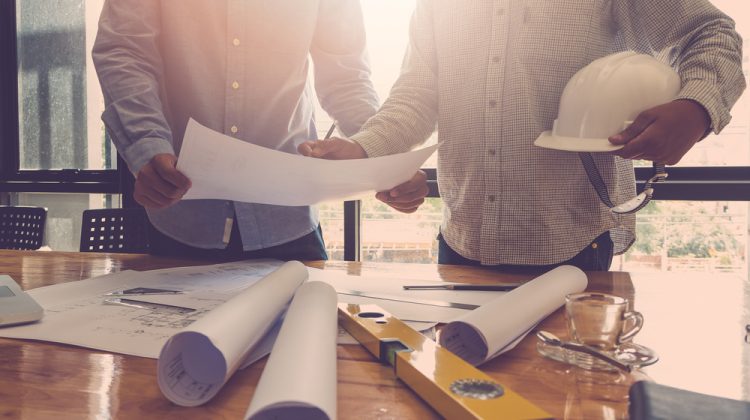
CAD Design Coordination: Complete Guide for Efficient Project Design
CAD Design Coordination: A Complete Guide
In modern design and construction projects, CAD design coordination plays a critical role in ensuring that all drawings and design elements are accurate, aligned, and integrated. With multiple teams working on different aspects of a project, proper coordination using CAD tools helps avoid errors and improves overall efficiency.
Effective CAD design coordination ensures that architectural, structural, and MEP drawings work together seamlessly, reducing conflicts during execution.
What is CAD Design Coordination?
CAD design coordination refers to the process of managing and integrating design drawings created using Computer-Aided Design (CAD) software. It involves aligning designs from different disciplines to ensure consistency and accuracy.
This process helps teams collaborate effectively and ensures that all design components fit together without issues.
Importance of CAD Design Coordination
Implementing strong CAD design coordination offers several benefits:
-
Reduces design errors and clashes
-
Improves collaboration between teams
-
Ensures accurate and consistent drawings
-
Enhances project efficiency
-
Supports timely project completion
Without proper coordination, projects may face delays and increased costs.
Key Elements of CAD Design Coordination
1. Drawing Management
A core part of design coordination is organizing and maintaining updated drawings and revisions.
2. Clash Detection
Identifying conflicts between different design elements such as structural and MEP systems.
3. Standardization
Ensuring all drawings follow consistent formats, layers, and naming conventions.
4. Communication
Sharing updates and changes with all stakeholders.
5. Version Control
Tracking revisions to avoid confusion and errors.

Tools Used in Design Coordination
Modern design coordination relies on various tools:
-
AutoCAD
-
Revit
-
Navisworks
-
BIM software
-
Collaboration platforms
These tools help improve accuracy and streamline workflows.
Process of Design Coordination
Step 1: Collect Design Inputs
Gather drawings from all disciplines involved in the project.
Step 2: Review and Analyze
Check designs for accuracy and completeness.
Step 3: Identify Conflicts
Detect clashes between different design elements.
Step 4: Resolve Issues
Work with teams to correct errors and update drawings.
Step 5: Finalize and Approve
Ensure all coordinated drawings are ready for execution.
This structured process ensures effective design coordination.
Skills Required for Design Coordination
Technical Skills
Proficiency in CAD software and design tools.
Attention to Detail
Ensuring accuracy in drawings and documentation.
Communication Skills
Coordinating with multiple teams and stakeholders.
Problem-Solving Ability
Resolving design conflicts efficiently.
Organizational Skills
Managing multiple drawings and revisions.
Strong skills are essential for successful design coordination.
Industries Using Design Coordination
Construction Industry
Managing building and infrastructure projects.
Architecture Firms
Developing and coordinating design drawings.
Engineering Projects
Integrating technical and structural designs.
Interior Design
Planning layouts and design elements.
These industries rely heavily on effective design coordination.
Best Practices for Design Coordination
Use Standard Templates
Maintain consistency across all drawings.
Update Drawings Regularly
Ensure all revisions are documented and shared.
Conduct Regular Reviews
Check for errors and conflicts frequently.
Improve Communication
Keep all stakeholders informed of changes.
Leverage Technology
Use advanced tools for better coordination.
Conclusion
CAD design coordination is essential for ensuring accuracy, efficiency, and successful project execution. By managing drawings effectively and resolving conflicts early, teams can reduce risks and deliver high-quality results.
For professional support in conducting stakeholder-focused project audits and reporting, connect here.
Read more related articles to enhance your knowledge and make informed decisions
Cost-Effective Modular Construction: Fast, and Sustainable Building Solutions
Smart Modular Buildings: Innovative, Efficient, and Sustainable Construction