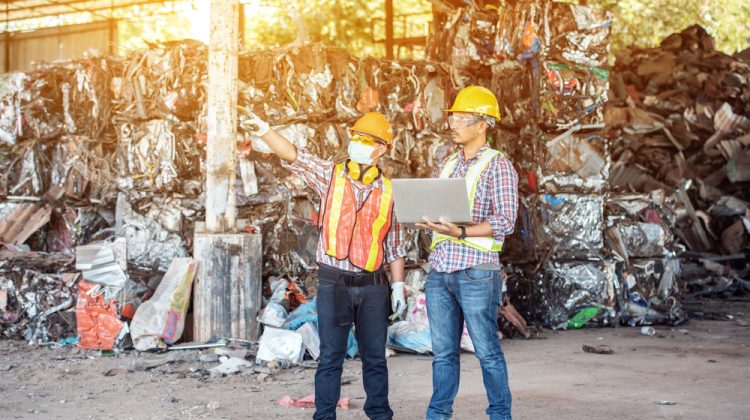
Construction Audit 2026: Process, Benefits & Best Practices Guide
Construction Audit 2026: A Complete Guide
A Construction audit 2026 is a critical process that ensures a construction project is executed according to plans, budgets, and regulatory standards. It involves reviewing financial records, project documentation, quality standards, and compliance to identify risks and improve efficiency.
In today’s complex construction environment, a well-structured Construction audit 2026 helps organizations maintain transparency, control costs, and deliver high-quality projects.
What is a Construction Audit 2026?
A Construction audit 2026 is a systematic examination of construction activities, processes, and financial transactions. It evaluates whether a project complies with contractual agreements, safety regulations, and quality standards.
This process can be conducted at different stages of a project—before, during, or after construction.
Types of Construction Audit 2026
1. Financial Audit
A Construction audit 2026 focusing on cost control, budgeting, and financial transparency.
2. Compliance Audit
Ensures adherence to legal regulations, safety standards, and contract terms.
3. Quality Audit
Evaluates the quality of materials, workmanship, and construction processes.
4. Safety Audit
Checks whether safety measures and protocols are properly implemented on-site.
5. Operational Audit
Reviews project management processes and efficiency.

Importance of Construction Audit
Implementing a proper Construction audit offers several benefits:
- Ensures compliance with regulations
- Reduces financial risks and cost overruns
- Improves project quality and performance
- Detects errors and fraud
- Enhances transparency and accountability
Without a structured audit process, projects may face delays, legal issues, and increased costs.
Construction Audit Process
Step 1: Planning the Audit
Define audit objectives, scope, and methodology.
Step 2: Document Review
Examine contracts, drawings, financial records, and reports.
Step 3: Site Inspection
Conduct physical inspection of the construction site.
Step 4: Data Analysis
Analyze collected data to identify discrepancies.
Step 5: Reporting
Prepare a detailed audit report with findings and recommendations.
Step 6: Follow-Up
Ensure corrective actions are implemented.
This structured approach ensures an effective Construction audit.
Construction Audit Checklist
A typical Construction audit checklist includes:
- Contract agreements and scope
- Budget and cost records
- Material quality and specifications
- Safety compliance
- Work progress and timelines
- Documentation and approvals
Using a checklist ensures consistency and thorough evaluation.
Tools Used in Construction Audit
Modern Construction audit processes use tools such as:
- Project management software
- BIM platforms
- Audit management systems
- Financial tracking tools
These tools improve accuracy and efficiency.
Challenges in Construction Audit
Common challenges include:
- Incomplete documentation
- Lack of transparency
- Time constraints
- Coordination issues among teams
Addressing these challenges improves audit effectiveness.
Best Practices for Construction Audit
Maintain Proper Documentation
Ensure all records are updated and accessible.
Conduct Regular Audits
Perform audits at different project stages.
Use Technology
Leverage digital tools for better tracking and analysis.
Ensure Transparency
Promote clear communication among stakeholders.
Hire Experienced Auditors
Qualified professionals ensure accurate evaluation.
Industries Using Construction Audit
Infrastructure Projects
Ensuring compliance in large-scale developments.
Real Estate Development
Maintaining quality and cost control.
Government Projects
Ensuring transparency and accountability.
Engineering and Construction Firms
Improving project efficiency and performance.
Conclusion
A Construction audit is essential for ensuring project success, quality, and compliance. By implementing structured audit processes and best practices, organizations can reduce risks, control costs, and deliver projects efficiently.
For professional support in conducting stakeholder-focused project audits and reporting, connect here.
Read more related articles to enhance your knowledge and make informed decisions
Cost-Effective Modular Construction: Fast, and Sustainable Building Solutions
Smart Modular Buildings: Innovative, Efficient, and Sustainable Construction