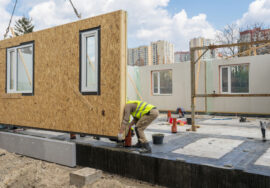
Construction Risk Mitigation: Proven Strategies to Minimize Project Failures
Construction Risk Mitigation: Protecting Projects from Cost, Time, and Safety Risks
Construction projects face constant uncertainty due to technical complexity, financial exposure, regulatory requirements, and site conditions. While risks cannot be eliminated entirely, their impact can be significantly reduced through construction risk mitigation. A well-planned mitigation strategy helps protect project objectives, control costs, and ensure timely delivery.
At AMs – Construction Project Management Consultancy, we assist clients in developing structured construction mitigation plans that strengthen project control and decision-making.
What Is Construction Risk Mitigation?
Construction mitigation refers to the process of developing and implementing actions that reduce the likelihood or impact of identified construction risks. It follows risk identification and analysis and focuses on practical measures to prevent risks from disrupting project performance.
Effective construction mitigation transforms potential threats into manageable challenges, improving overall project stability.
Importance of Construction Risk Mitigation
Failure to mitigate risks can result in cost overruns, delays, disputes, and accidents. Implementing construction risk mitigation provides several benefits:
-
Minimizes cost escalation and schedule delays
-
Improves safety and regulatory compliance
-
Reduces contractual disputes and claims
-
Enhances project predictability
-
Protects stakeholder investments
A proactive construction mitigation strategy ensures smoother execution across all project phases.
Common Risks Addressed Through Construction Risk Mitigation
Financial Risks
Cost overruns, inaccurate estimates, inflation, and delayed payments are major concerns. Construction mitigation includes contingency planning, cost control systems, and accurate budgeting.
Schedule Risks
Delays caused by labor shortages, supply chain disruptions, equipment failure, or weather conditions require mitigation through buffer planning and alternative sourcing.
Technical and Design Risks
Design errors, constructability issues, and coordination gaps can lead to rework. Early reviews and value engineering are effective construction mitigation measures.
Legal and Contractual Risks
Ambiguous contracts, scope creep, and claims are mitigated through clear documentation, proper risk allocation, and contract administration.
Health, Safety, and Environmental Risks
Accidents and unsafe working conditions are mitigated through safety planning, training, and compliance monitoring.
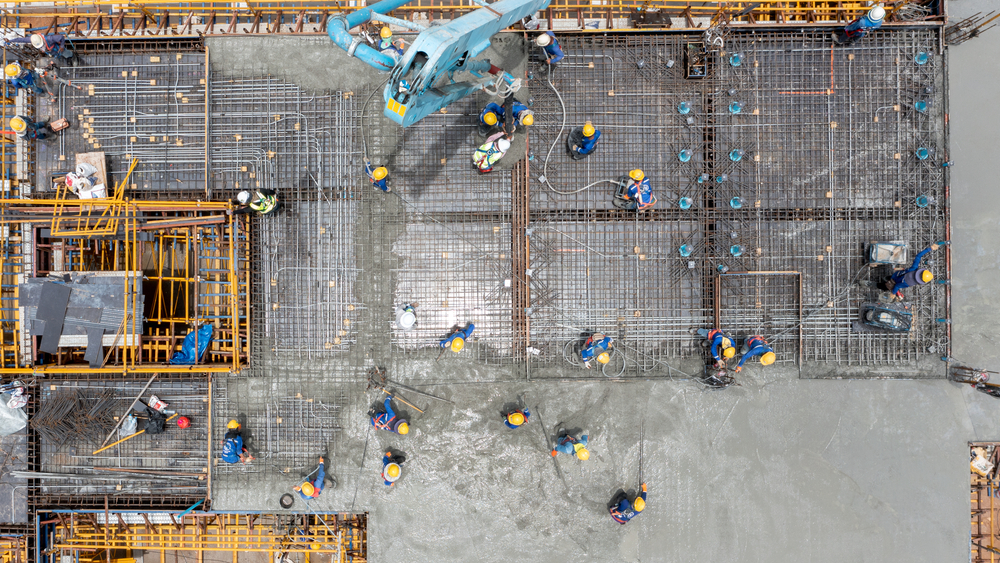
Construction Mitigation Strategies
Risk Avoidance
In some cases, risks can be avoided by changing the project approach, materials, or construction methods.
Risk Reduction
This strategy focuses on minimizing the probability or impact of risks through improved planning, supervision, and quality control.
Risk Transfer
Risks are transferred to third parties through insurance, warranties, or contractual clauses where appropriate.
Risk Acceptance
Low-impact risks may be accepted with contingency provisions in place. This is a controlled construction mitigation approach.
Construction Mitigation Across Project Stages
Pre-Construction Phase
Risk mitigation at this stage includes feasibility studies, accurate cost estimates, design coordination, and regulatory due diligence.
Construction Phase
During execution, construction mitigation focuses on safety management, productivity control, supply chain monitoring, and site supervision.
Post-Construction Phase
Mitigation efforts address defects liability, handover delays, documentation gaps, and operational readiness.
Best Practices for Effective Construction Mitigation
Early Planning and Integration
Construction risk mitigation should be embedded into project planning rather than treated as a separate activity.
Continuous Monitoring
Risks evolve throughout the project lifecycle; mitigation measures must be reviewed and updated regularly.
Stakeholder Collaboration
Active involvement of clients, contractors, consultants, and suppliers improves mitigation effectiveness.
Use of Technology
Digital tools such as cost control systems, project dashboards, and real-time reporting support construction risk mitigation.
Engage Professional Consultants
Expert consultants provide structured methodologies and industry insights for effective risk mitigation.
Role of Consultants in Construction Mitigation
Professional consultants play a key role in designing and implementing construction risk mitigation frameworks. They help prioritize risks, recommend mitigation actions, and monitor effectiveness throughout the project lifecycle.
If you need expert support for construction risk mitigation, connect with our team today.
Construction Mitigation in the Indian Construction Industry
Indian construction projects face unique risks such as regulatory approvals, land acquisition issues, labor availability, and fluctuating material prices. Adopting best practices and frameworks recommended by the Construction Industry Development Council (CIDC) strengthens construction mitigation across projects.
Conclusion
Construction mitigation is essential for delivering projects on time, within budget, and with improved safety and quality. By applying structured mitigation strategies, continuous monitoring, and expert guidance, construction risks can be controlled effectively. A proactive approach to construction risk mitigation not only protects projects from failure but also enhances long-term project value.
For professional construction risk mitigation services, reach out to AMs – Construction Project Management Consultancy today.