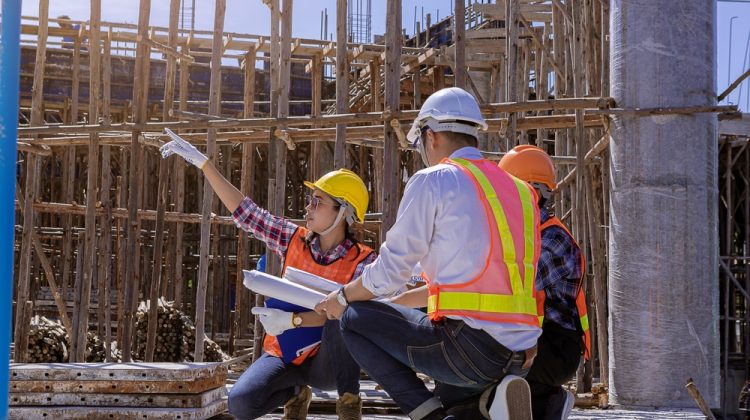
Construction Site Reporting for Effective Project Control
Construction Site Reporting for Successful Project Execution
Construction site reporting is a fundamental component of modern construction project management. It provides real-time visibility into site activities, progress status, resource utilization, and risks. Accurate and timely construction site reporting ensures that project stakeholders remain informed, decisions are data-driven, and issues are addressed before they escalate into delays or cost overruns.
In complex construction environments, construction reporting acts as the bridge between planning and execution.
Importance of Construction Site Reporting
Construction reporting plays a vital role in maintaining control over project performance. It helps project teams:
-
Monitor daily and weekly progress
-
Identify schedule deviations early
-
Track manpower, materials, and equipment
-
Improve accountability and transparency
-
Support contractual and compliance requirements
Without structured construction reporting, project managers often rely on assumptions rather than verified data, increasing project risk.
Key Components of Construction Site Reporting
Daily Site Reports
Daily reports capture on-site activities, workforce strength, weather conditions, and issues encountered. These are the building blocks of effective construction reporting.
Progress Reports
Progress reports compare planned versus actual performance. They highlight slippages, achievements, and upcoming activities, strengthening construction reporting accuracy.
Resource and Productivity Reporting
Monitoring labour productivity, equipment usage, and material consumption improves forecasting and supports informed decisions through construction reporting.
Safety and Quality Reports
Health, safety, and quality observations are essential elements of construction reporting. These reports help reduce incidents and rework.
Risk and Issue Logs
Identifying risks and unresolved issues early enhances the value of construction reporting and enables proactive mitigation.
Challenges in Construction Site Reporting
Despite its importance, construction reporting faces common challenges:
-
Inconsistent data collection
-
Delayed reporting from site teams
-
Lack of standardized formats
-
Manual reporting errors
-
Poor integration with planning systems
Overcoming these challenges is essential to ensure construction reporting remains reliable and actionable.
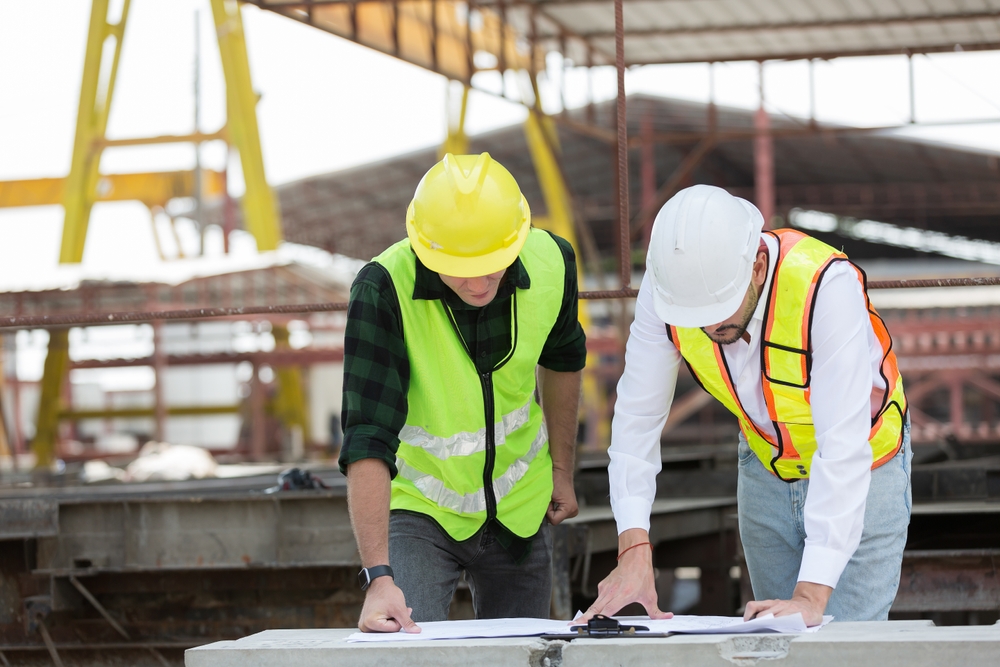
Digital Tools for Construction Site Reporting
Digital platforms have transformed construction reporting by enabling real-time data capture and automated dashboards. Benefits include:
-
Faster reporting cycles
-
Improved data accuracy
-
Centralized access for stakeholders
-
Enhanced progress visibility
Technology-driven construction reporting supports quicker decisions and improved project outcomes.
Role of Consultants in Construction Site Reporting
Professional consultants help establish structured construction reporting systems aligned with project objectives and contractual requirements.
At AMs – Construction Project Management Consultancy, we provide end-to-end construction reporting services, including:
-
Site reporting framework development
-
Daily, weekly, and monthly reporting
-
Progress validation and analysis
-
Risk and issue tracking
-
Management dashboards and insights
Talk to Construction Reporting Experts
Construction Site Reporting in Indian Projects
Indian construction projects often involve multiple stakeholders, regulatory bodies, and complex approval processes. Government agencies such as the Central Public Works Department emphasize standardized formats, milestone tracking, and compliance-driven construction reporting to ensure transparency in public sector projects.
Best Practices for Effective Construction Site Reporting
Standardize Reporting Formats
Consistency improves clarity and comparability across reporting periods.
Ensure Timely Submission
Delayed reports reduce the effectiveness of construction reporting.
Link Reporting with Schedules
Integrating reports with project schedules improves progress tracking.
Train Site Teams
Well-trained teams produce accurate and reliable reports.
Use Reports for Decision-Making
Construction reporting should drive actions, not just documentation.
Conclusion
Construction reporting is more than a documentation exercise—it is a critical project control mechanism. By providing accurate, timely, and structured information, construction reporting enables better decision-making, reduces risks, and improves overall project performance. When supported by experienced consultants and digital tools, construction reporting becomes a strategic asset for achieving timely, cost-effective, and compliant project delivery.
In today’s fast-paced construction environment, strong construction reporting is essential for project success.
Read more related articles to enhance your knowledge and make informed decisions
Cost-Effective Modular Construction: Fast, and Sustainable Building Solutions
Smart Modular Buildings: Innovative, Efficient, and Sustainable Construction