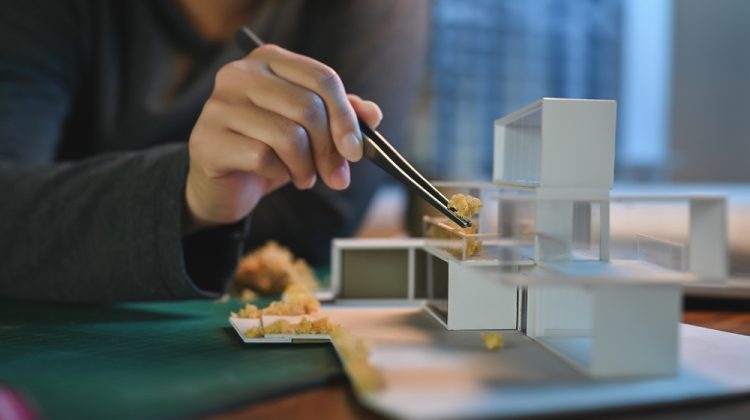
Design Communication Management: Strategies for Effective Collaboration
Design Communication Management: A Complete Guide
Effective Design communication management is the backbone of successful design projects. It ensures that all stakeholders—designers, engineers, clients, and project managers—are aligned, informed, and working toward the same goals.
In industries like construction, architecture, and creative design, strong Design management helps reduce misunderstandings, improve collaboration, and deliver high-quality outcomes.
What is Design Management?
Design communication management refers to the process of planning, organizing, and controlling the flow of information related to design activities. It ensures that the right information reaches the right people at the right time.
This process includes sharing design updates, managing feedback, and maintaining clear documentation.
Importance of Design Management
Implementing effective Design communication management provides several benefits:
-
Improves collaboration among team members
-
Reduces design errors and miscommunication
-
Enhances project efficiency
-
Ensures timely decision-making
-
Maintains transparency with stakeholders
Without proper communication management, projects can face delays, confusion, and quality issues.

Key Elements of Design Management
1. Communication Planning
A core part of Design communication management is defining how information will be shared across teams.
2. Information Distribution
Ensuring timely sharing of design updates, documents, and feedback.
3. Feedback Management
Collecting and managing feedback from stakeholders.
4. Documentation
Maintaining records of communication, decisions, and changes.
5. Collaboration Tools
Using digital platforms to enhance communication and coordination.
Process of Design Management
Step 1: Identify Stakeholders
Determine all parties involved in the project.
Step 2: Define Communication Channels
Choose tools and methods for communication.
Step 3: Share Information
Distribute design updates and documents regularly.
Step 4: Collect Feedback
Gather input from stakeholders and teams.
Step 5: Monitor Communication
Ensure information flow is effective and timely.
This structured process ensures effective Design management.
Tools Used in Design Management
Modern Design communication management relies on tools such as:
-
Project management platforms
-
BIM software
-
Communication tools like Slack or Microsoft Teams
-
Cloud-based document sharing systems
These tools improve collaboration and efficiency.
Skills Required for Design Management
Communication Skills
Clear and effective communication is essential.
Organizational Skills
Managing information and communication channels.
Technical Knowledge
Understanding design tools and systems.
Problem-Solving Ability
Resolving communication issues quickly.
Leadership Skills
Ensuring alignment among stakeholders.
Strong skills enhance the effectiveness of Design management.
Best Practices for Design Management
Use Clear Communication Channels
Avoid confusion by defining communication methods.
Maintain Transparency
Keep all stakeholders informed about progress.
Document Everything
Record decisions, updates, and feedback.
Encourage Collaboration
Promote open communication among teams.
Regular Updates
Share progress reports and design changes frequently.
Challenges in Design Management
Common challenges include:
-
Miscommunication between teams
-
Delays in information sharing
-
Lack of proper documentation
-
Overlapping communication channels
Addressing these challenges improves overall coordination.
Industries Using Design Management
Construction Industry
Managing communication between multiple stakeholders.
Architecture Firms
Coordinating design updates and approvals.
Engineering Projects
Sharing technical information and changes.
Creative Agencies
Managing communication for design and marketing projects.
These industries rely heavily on effective Design management.
Conclusion
Design management is essential for ensuring smooth collaboration and successful project execution. By managing information flow, improving communication, and using the right tools, organizations can deliver better results.
For professional support in conducting stakeholder-focused project audits and reporting, connect here.
Read more related articles to enhance your knowledge and make informed decisions
Cost-Effective Modular Construction: Fast, and Sustainable Building Solutions
Smart Modular Buildings: Innovative, Efficient, and Sustainable Construction