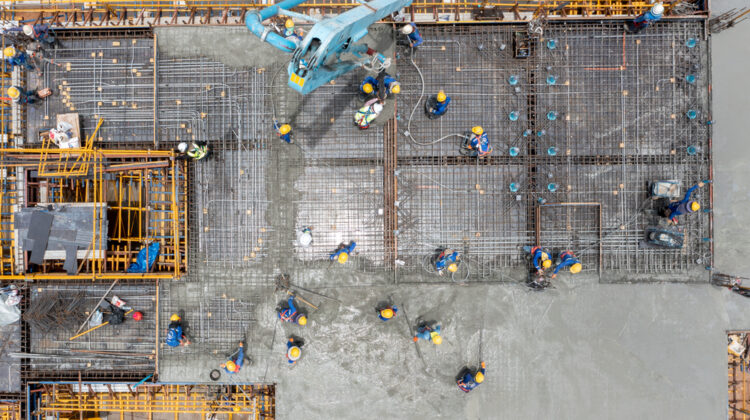
Infrastructure Site Reporting for Project Monitoring
Infrastructure Site Reporting
Infrastructure site reporting is a structured process for tracking, documenting, and analyzing construction activities on infrastructure projects. It provides accurate data on progress, resource utilization, safety, quality, and cost, enabling stakeholders to make informed decisions.
With India’s rapidly expanding infrastructure sector, efficient infrastructure site reporting has become essential for project transparency, timely completion, and regulatory compliance.
Importance of Infrastructure Site Reporting
Infrastructure projects such as roads, bridges, airports, and metro systems are complex, involving multiple contractors, subcontractors, and regulatory authorities. Infrastructure site ensures:
-
Real-time visibility of project status
-
Early detection of delays or risks
-
Accurate monitoring of budget and resource utilization
-
Enhanced communication among stakeholders
Government and public infrastructure projects in India follow structured reporting guidelines mandated by authorities such as the Central Public Works Department (CPWD), emphasizing accountability and compliance.
Key Components of Infrastructure Site Reporting
Progress Monitoring
Reports track daily, weekly, and monthly progress against approved schedules, including milestones, critical path activities, and productivity.
Cost and Resource Tracking
Infrastructure site reporting monitors labor, equipment, and material usage, providing insights into budget adherence and cost control.
Safety Compliance
Safety incidents, toolbox talks, audits, and statutory requirements are documented to reduce risks and ensure workplace safety.
Quality Assurance
Inspection results, material tests, approvals, and non-conformance reports ensure that construction meets design specifications and standards.
Visual Documentation
Photographs, videos, and digital dashboards provide clear visual evidence of site conditions and progress.
Types of Infrastructure Site Reports
Daily Site Reports
Capture immediate site activities, labor and equipment deployment, material usage, and safety incidents.
Weekly Reports
Analyze trends, productivity, schedule adherence, and short-term project risks.
Monthly Consolidated Reports
Provide an overview of cumulative progress, budget utilization, safety, and quality for senior management and clients.
Digital Dashboards
Real-time digital dashboards display KPIs, progress metrics, and compliance indicators for enhanced decision-making and transparency.

Benefits of Infrastructure Site Reporting
Effective infrastructure site provides multiple advantages:
-
Timely Project Completion: Early identification of delays allows proactive corrective actions.
-
Cost Control: Monitoring budget utilization prevents overruns.
-
Safety and Quality Compliance: Ensures adherence to statutory and design standards.
-
Stakeholder Confidence: Transparent reporting increases trust among clients, contractors, and regulators.
-
Improved Decision-Making: Accurate data supports strategic project management.
Best Practices for Infrastructure Site Reporting
Standardized Reporting Templates
Uniform formats ensure clarity, accuracy, and comparability across reporting periods.
Real-Time Data Capture
Digital tools, mobile applications, and cloud platforms enable accurate, real-time reporting.
Integration with Project Management Systems
Reports should align with schedules, budgets, and quality management plans for seamless project control.
Professional Support
Construction management consultants can design and implement robust infrastructure site systems. To improve your reporting efficiency, you can contact our experts here.
Role of Infrastructure Site Reporting in Project Success
Infrastructure site enables proactive monitoring and control, ensuring projects remain on schedule, within budget, and meet quality standards. It facilitates coordination among contractors, clients, and regulatory authorities, reducing disputes and improving overall project outcomes.
In India’s fast-growing infrastructure sector, structured site reporting is critical for efficient project delivery, regulatory compliance, and stakeholder confidence.
Conclusion
Infrastructure site is a cornerstone of effective project management. By systematically tracking progress, costs, resources, safety, and quality, infrastructure projects can achieve transparency, timely completion, and optimal performance. Implementing standardized reporting practices and leveraging digital dashboards strengthens control and ensures the success of infrastructure development projects.
External Reference
For official guidelines on infrastructure project reporting, refer to publications by the Central Public Works Department (CPWD).
Read more related articles to enhance your knowledge and make informed decisions
Cost-Effective Modular Construction: Fast, and Sustainable Building Solutions
Smart Modular Buildings: Innovative, Efficient, and Sustainable Construction