
Project Risk Monitoring for Proactive Risk Control
Project Risk Monitoring: Managing Uncertainty for Project Success
Project risk monitoring is a critical process used to track identified risks, detect new risks, and evaluate the effectiveness of risk response strategies throughout the project lifecycle. Every project faces uncertainty, and without a structured project monitoring approach, small risks can quickly turn into major issues affecting cost, schedule, and quality.
Across construction, IT, infrastructure, and enterprise projects, effective project monitoring enables proactive decision-making and improves the likelihood of successful project delivery.
What Is Project Risk Monitoring?
Project monitoring is the continuous process of reviewing, tracking, and assessing project risks to ensure they remain within acceptable limits. It involves monitoring risk indicators, reassessing risk severity, and updating mitigation plans as the project progresses.
An effective project monitoring process answers key questions:
-
Are identified risks increasing or decreasing?
-
Have new risks emerged?
-
Are mitigation actions working as planned?
By answering these questions, project monitoring supports timely intervention and control.
Why Project Risk Monitoring Is Important
A structured project monitoring process provides significant benefits to organizations.
Key Benefits
-
Early identification of potential threats
-
Reduced impact of cost and schedule overruns
-
Improved preparedness and resilience
-
Better stakeholder confidence
-
Enhanced decision-making under uncertainty
Without consistent project monitoring, organizations often react to problems instead of preventing them.
Key Elements of Project Monitoring
A successful project monitoring framework includes the following elements:
Risk Register Updates
Regular review and update of the project risk register to reflect current conditions.
Risk Indicators and Triggers
Defined indicators that signal when a risk is likely to occur.
Risk Reassessment
Periodic evaluation of risk probability and impact.
Monitoring Risk Responses
Tracking the effectiveness of mitigation and contingency actions.
Escalation and Reporting
Clear escalation paths for high-impact or emerging risks.
These components ensure project monitoring remains dynamic and effective.
Project Risk Monitoring Across Industries
Construction and Infrastructure Projects
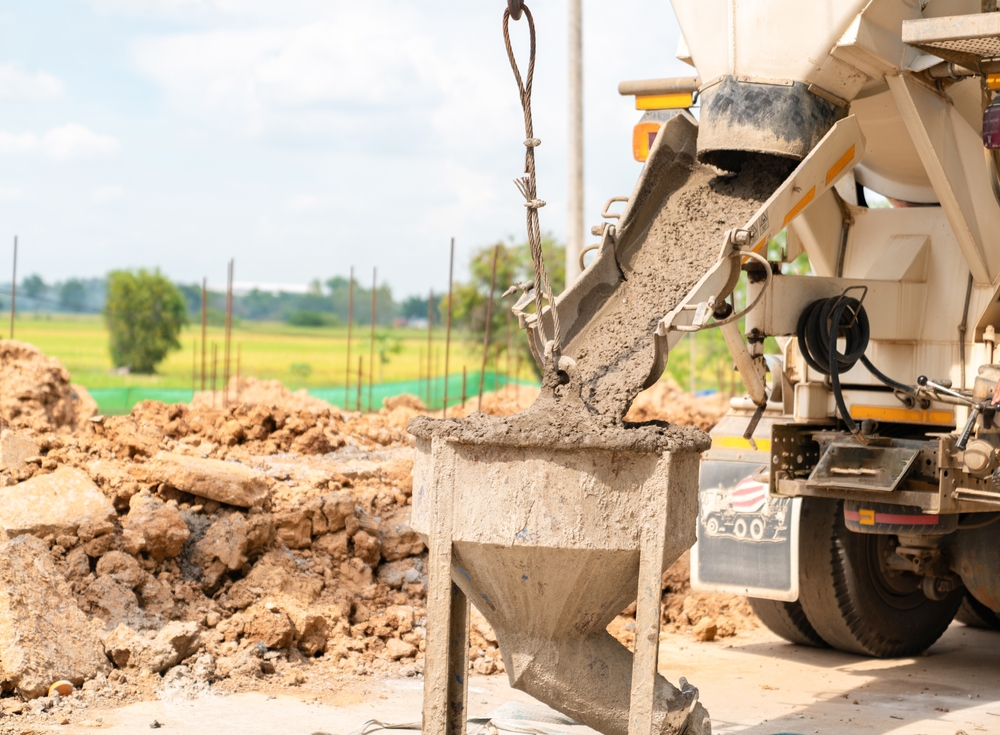
In construction, project monitoring focuses on safety risks, design changes, material shortages, weather conditions, and contractor performance.
IT and Software Projects
IT projects use project monitoring to manage risks related to scope creep, cybersecurity, technology changes, and resource availability.
Government and Public Sector Projects
Public sector projects rely on strict project monitoring to ensure compliance, transparency, and responsible use of public funds.
Risk management and monitoring practices are often aligned with standards published by Project Management Institute.
Indian professionals can explore risk management and project governance resources here
Tools Used for Project Risk Monitoring
Modern tools help automate and strengthen project monitoring.
Common Tools
-
Microsoft Project
-
Primavera P6
-
Risk Registers (Excel-based or digital)
-
Power BI
-
Jira
-
Zoho Projects
These tools support risk tracking, dashboards, alerts, and reporting that enhance project monitoring.
Best Practices for Effective Project Monitoring
1. Monitor Risks Regularly
Risk reviews should be conducted throughout the project, not just at the start.
2. Involve the Project Team
Encourage team members to report emerging risks early.
3. Use Risk Metrics
Track trends such as number of high-risk items and response effectiveness.
4. Integrate Risk with Schedule and Cost
Link risks to schedule and cost impacts for better forecasting.
5. Act Quickly
The success of project monitoring depends on timely response and escalation.
Challenges in Project Risk Monitoring
Organizations may face challenges such as:
-
Underreporting of risks
-
Lack of risk ownership
-
Infrequent risk reviews
-
Overconfidence in initial risk plans
These challenges can be overcome through training, strong leadership support, and a culture of transparency.
Conclusion
Project monitoring is essential for managing uncertainty and protecting project objectives. By continuously tracking risks, reassessing their impact, and responding proactively, organizations can minimize disruptions and improve project outcomes.
If you want to strengthen your project monitoring practices or implement a structured risk monitoring framework, expert support can help you reduce uncertainty and deliver projects with confidence.
Contact us today
Read more related articles to enhance your knowledge and make informed decisions
Cost-Effective Modular Construction: Fast, and Sustainable Building Solutions
Smart Modular Buildings: Innovative, Efficient, and Sustainable Construction