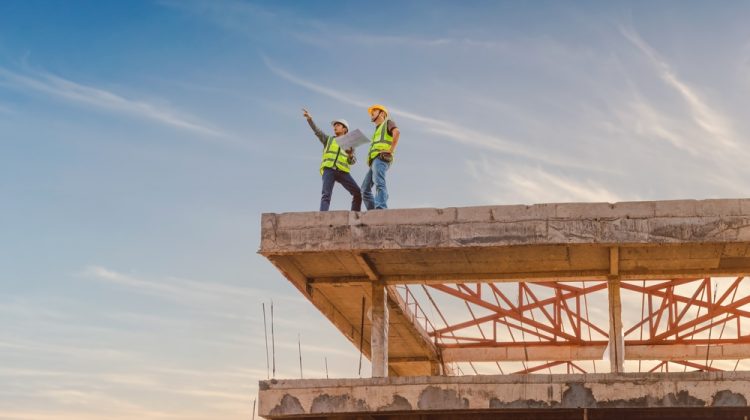
Risk Management Consultancy in Construction: Controlling Cost, Time, and Safety
Risk Management Consultancy in Construction: Driving Predictable Project Success
Construction projects are exposed to multiple uncertainties such as cost overruns, delays, safety hazards, contractual disputes, and compliance failures. Managing these uncertainties requires expertise, structure, and continuous oversight. Risk management consultancy provides professional support to identify, assess, mitigate, and monitor risks throughout the project lifecycle, ensuring projects are delivered safely, on time, and within budget.
At AMs – Construction Project Management Consultancy, we specialize in delivering end-to-end risk management solutions tailored to the unique challenges of construction projects.
What Is Risk Management Consultancy in Construction?
Risk management consultancy in construction involves professional services that help developers, contractors, and project owners systematically manage project risks. These risks may relate to cost, schedule, quality, safety, procurement, contracts, or regulatory compliance.
A construction risk management consultant brings independent expertise to analyze potential threats, develop mitigation strategies, and establish monitoring systems to reduce negative impacts on the project.
Importance of Risk Management Consultancy in Construction
Construction risks, if unmanaged, can lead to serious financial losses and project failure. Engaging a risk management consultancy offers several advantages:
-
Early identification of potential project risks
-
Reduced cost overruns and schedule delays
-
Improved safety performance on construction sites
-
Enhanced compliance with legal and regulatory requirements
-
Better decision-making through data-driven risk analysis
-
Increased confidence among stakeholders and investors
Professional risk management ensures predictable outcomes even in complex project environments.
Key Risk Areas Addressed by Construction Risk Consultants
Cost and Financial Risks
Uncontrolled budgets, price escalation, and payment delays can destabilize projects. Risk consultants implement cost control and forecasting mechanisms.
Schedule and Delay Risks
Poor planning, resource shortages, and external disruptions are addressed through realistic scheduling and progress monitoring.
Health and Safety Risks
Consultants identify site hazards and implement safety systems to reduce accidents and ensure compliance.
Contractual and Legal Risks
Ambiguous contracts and claims are managed through contract reviews, risk allocation strategies, and dispute prevention.
Procurement Risks
Material shortages, supplier delays, and quality failures are mitigated through supplier evaluation and procurement planning.
Compliance and Regulatory Risks
Consultants ensure adherence to building codes, labor laws, environmental norms, and statutory approvals.

Risk Management Consultancy Process in Construction
Risk Identification
Potential risks are identified through workshops, site inspections, document reviews, and historical data analysis.
Risk Assessment and Analysis
Each risk is evaluated based on likelihood and impact on cost, time, quality, and safety.
Risk Mitigation Planning
Strategies such as contingency planning, design optimization, contract clauses, and safety controls are developed.
Risk Monitoring and Control
Continuous monitoring through dashboards, reports, and audits ensures timely response to emerging risks.
Reporting and Communication
Clear reporting helps stakeholders understand risk exposure and make informed decisions.
Best Practices Followed by Construction Risk Management Consultants
Early Engagement
Involving risk consultants from the planning stage prevents risks from escalating during execution.
Integrated Risk Approach
Combining cost, schedule, safety, and compliance risks provides holistic control.
Use of Technology
Digital tools, BIM, and dashboards improve risk visibility and real-time decision-making.
Continuous Improvement
Lessons learned from ongoing projects are used to strengthen future risk management strategies.
Independent Oversight
Third-party consultants provide unbiased assessments and transparent reporting.
Role of Consultants in Construction Project Success
Risk management consultants act as strategic partners, helping project teams anticipate challenges and implement preventive controls. Their involvement improves governance, reduces uncertainty, and enhances project resilience.
If you are looking for professional risk management consultancy in construction, connect with our experts today.
Risk Management Consultancy in the Indian Construction Sector
Indian construction projects face risks due to regulatory complexity, labor dependency, cost volatility, and environmental factors. Adopting frameworks and best practices recommended by the Construction Industry Development Council (CIDC) strengthens risk governance and project delivery standards.
Conclusion
Risk management consultancy plays a vital role in controlling uncertainties that impact cost, time, safety, and quality. By identifying risks early, implementing structured mitigation strategies, and continuously monitoring project performance, construction risk consultants help ensure successful and predictable project outcomes. Investing in professional risk management consultancy is essential for delivering complex construction projects efficiently and sustainably.
For expert construction risk management consultancy services, reach out to AMs – Construction Project Management Consultancy today.