
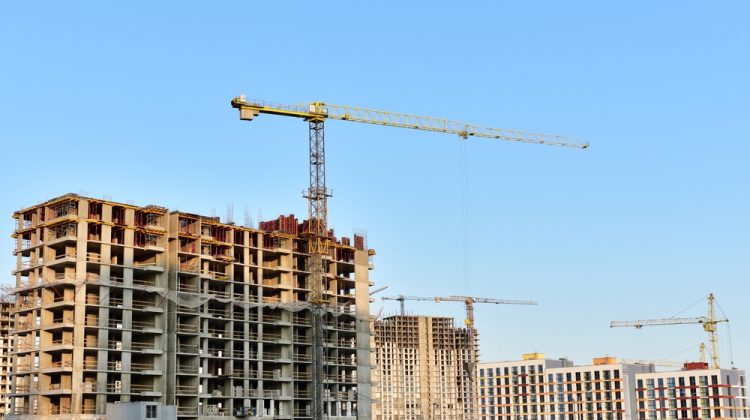
Schedule Delays in Construction: Effective Control Measures
Schedule Delays in Construction: Causes, Consequences, and Solutions
Schedule delays in construction are a major concern for project owners, contractors, and consultants. When construction activities exceed planned timelines, projects face increased costs, contractual disputes, and loss of stakeholder confidence. Schedule delays in construction can derail even well-funded projects if not identified and controlled early.
With increasing project complexity and regulatory demands, managing construction schedules has become a critical aspect of project success.
Understanding Schedule Delays in Construction
Schedule delays in construction occur when project milestones or activities are not completed as per the approved baseline schedule. These delays may affect individual tasks or extend the overall project completion date.
Schedule delays can arise from technical issues, financial challenges, management inefficiencies, or external factors, making systematic schedule control essential.
Primary Causes of Schedule Delays
Ineffective Project Planning
Unrealistic timelines, poor sequencing, and lack of detailed scheduling are leading contributors to delays.
Design Development Issues
Incomplete drawings, design coordination errors, and late revisions disrupt construction flow.
Delayed Approvals and Clearances
Client decisions, consultant approvals, and statutory permissions often take longer than expected.
Financial and Cash Flow Problems
Delayed payments and insufficient funding slow procurement and site execution.
Resource Constraints
Shortage of skilled labor, materials, or equipment directly impacts productivity.
Poor Site Management
Inadequate supervision, weak coordination, and subcontractor delays increase schedule slippage.
Impact of Schedule Delays in Construction
Schedule delays have wide-ranging effects on project performance, including:
-
Extension of project duration
-
Increased overheads and preliminaries
-
Liquidated damages and penalties
-
Contractor claims and disputes
-
Delayed revenue generation
-
Compromised quality and safety
-
Damage to reputation and client trust
If left unmanaged, schedule delays may escalate into project suspension or termination.
Types of Schedule Delays in Construction
Excusable Delays
Delays caused by uncontrollable factors such as extreme weather or regulatory changes.
Compensable Delays
Delays where contractors may be entitled to additional time and cost due to client-related issues.
Non-Excusable Delays
Delays arising from contractor inefficiencies or poor performance.
Concurrent Delays
Overlapping delays caused by multiple parties, often leading to complex claim assessments.
Strategies to Manage Schedule Delays in Construction
Develop Realistic Baseline Schedules
Create logic-linked schedules based on realistic productivity assumptions.
Continuous Schedule Monitoring
Regularly compare actual progress with planned schedules to detect slippages early.
Integrated Time and Cost Management
Link schedule performance with cost control for better decision-making.
Effective Change Management
Assess schedule impact before approving design or scope changes.
Strong Communication and Coordination
Clear workflows and timely approvals reduce idle time on site.
Consultant’s Role in Schedule Delay Management
Specialist consultants provide objective schedule analysis and recovery planning.
At AMs – Construction Project Management Consultancy, we assist clients in managing schedule delays through:
-
Baseline schedule review and validation
-
Schedule risk identification and forecasting
-
Progress monitoring and reporting
-
Delay analysis and Extension of Time (EOT) support
-
Recovery scheduling and mitigation planning
-
Dispute avoidance and claims support
Connect with Our Schedule Control Experts
Schedule Delays in Construction: Indian Industry Scenario
In India, schedule delays are often linked to land acquisition challenges, regulatory approvals, funding constraints, and coordination among multiple agencies. Government bodies such as the National Infrastructure Pipeline emphasize improved planning, monitoring, and governance to minimize delays in large-scale infrastructure and construction projects.
Best Practices to Reduce Schedule Delays in Construction
Early Risk Assessment
Identify schedule risks during pre-construction and planning stages.
Clear Contractual Provisions
Define timelines, responsibilities, and delay clauses clearly.
Digital Project Controls
Use real-time dashboards and schedule tracking tools.
Regular Independent Reviews
Third-party reviews help identify issues before they escalate.
Continuous Improvement
Apply lessons learned from past projects to improve future scheduling.
Conclusion
Schedule delays pose significant risks to time, cost, and stakeholder relationships. By strengthening planning, monitoring progress proactively, managing changes efficiently, and engaging experienced consultants, organizations can effectively control schedule risks. In today’s complex construction environment, proactive schedule management is essential for delivering projects on time and within expectations.
Read more related articles to enhance your knowledge and make informed decisions
Cost-Effective Modular Construction: Fast, and Sustainable Building Solutions
Smart Modular Buildings: Innovative, Efficient, and Sustainable Construction