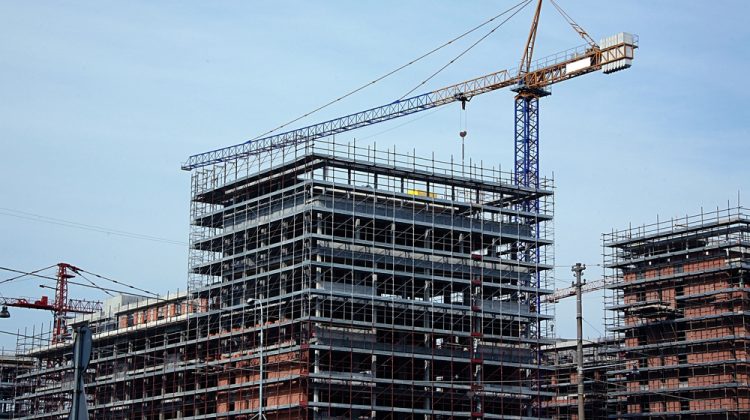
Site Reporting in Construction Projects: Tools, Benefits & Best Practices
Site Reporting in Construction Projects
Site reporting in construction projects plays a vital role in ensuring transparency, accountability, and smooth project execution. From tracking daily progress to identifying risks early, effective site reporting projects helps project managers make informed decisions and avoid costly delays. In today’s fast-paced construction environment, structured and accurate reporting is no longer optional—it is essential for project success.
Importance of Site Reporting in Construction Projects
Site reporting projects acts as a communication bridge between site teams, consultants, and stakeholders. Regular reports provide real-time insights into site activities, manpower deployment, material usage, and safety compliance.
When site reporting projects is implemented correctly, it improves coordination, reduces misunderstandings, and enhances trust among stakeholders. It also helps maintain documentation for audits, claims, and dispute resolution, making reporting a critical management tool.
Key Components of Effective Site Reporting
Daily Site Progress Reports
Daily reports form the backbone of site reporting projects. These include:
-
Work completed vs. planned activities
-
Labor and equipment deployment
-
Weather conditions affecting progress
Accurate daily reporting ensures minor issues are addressed before they escalate into major project risks.
Material and Resource Tracking
Material consumption and availability directly impact project timelines. Site reporting projects helps track incoming materials, stock levels, and wastage, enabling better procurement planning and cost control.
Safety and Quality Reports
Safety and quality are non-negotiable aspects of construction. Regular safety audits, incident logs, and quality checklists included in site reporting projects help ensure compliance with regulatory and contractual standards.
Types of Site Reporting in Construction Projects
Weekly and Monthly Progress Reports
Weekly and monthly reports provide summarized insights into project performance. These reports analyze schedule adherence, productivity trends, and cost implications, offering management a macro-level view of site performance.
Photographic and Digital Reporting
Modern site reporting projects increasingly relies on digital tools. Photographs, videos, and cloud-based dashboards improve accuracy and allow stakeholders to monitor progress remotely.
Issue and Risk Reports
Early identification of risks is crucial. Site reporting projects includes documenting design changes, site constraints, and coordination challenges, helping teams take preventive actions.
Benefits of Structured Site Reporting
Implementing standardized site reporting projects offers several advantages:
-
Improved project visibility and control
-
Better decision-making through real-time data
-
Reduced delays and cost overruns
-
Strong documentation for claims and compliance
Construction authorities such as Central Public Works Department emphasize systematic reporting practices to maintain transparency and quality in public projects. For reference, industry reporting guidelines can be explored through official Indian construction resources.

Best Practices for Site Reporting in Construction Projects
Standardized Reporting Formats
Using uniform templates ensures consistency across reports. Standard formats reduce errors and make data comparison easier throughout the project lifecycle.
Timely and Accurate Data Entry
Delays or inaccuracies weaken the effectiveness of site reporting in construction projects. Reports should be updated daily and verified by responsible engineers or project managers.
Integration with Project Management Systems
Linking site reporting in construction projects with scheduling and cost control systems enhances forecasting and performance monitoring.
Professional Reporting Support
Many organizations now rely on professional construction management consultants to implement robust reporting frameworks. If you are looking to streamline your reporting systems and improve site control, you can contact our experts here for tailored solutions.
Conclusion
Site reporting projects is a cornerstone of effective project management. From daily progress tracking to risk identification and stakeholder communication, structured reporting ensures projects stay on schedule, within budget, and compliant with quality standards. By adopting best practices and modern digital tools, construction companies can transform site reporting in construction projects into a powerful driver of efficiency and success.
Read more related articles to enhance your knowledge and make informed decisions
Cost-Effective Modular Construction: Fast, and Sustainable Building Solutions
Smart Modular Buildings: Innovative, Efficient, and Sustainable Construction