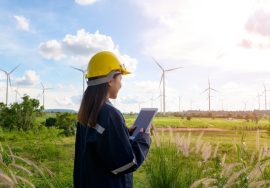
Sustainable Infrastructure Development Strategies 2026
Sustainable Infrastructure Development: Building for the Future
In 2026, Sustainable Infrastructure Development has become a global priority as countries work to balance economic growth with environmental protection. Rapid urbanization, climate change, and resource scarcity are driving the need for infrastructure that is resilient, energy-efficient, and environmentally responsible.
Sustainable development focuses on creating systems—transport, energy, water, and buildings—that meet present needs without compromising future generations.
What Is Sustainable Infrastructure Development?
Sustainable Development refers to planning, designing, constructing, and managing infrastructure projects in a way that minimizes environmental impact while maximizing social and economic benefits.
It integrates:
-
Energy efficiency
-
Renewable energy systems
-
Low-carbon construction materials
-
Climate resilience strategies
-
Smart technologies
The goal is long-term performance with reduced ecological footprint.
Key Pillars of Sustainable Development
1. Low-Carbon Design and Construction
Using recycled materials, low-carbon concrete, and energy-efficient building techniques reduces embodied carbon emissions in infrastructure projects.
2. Renewable Energy Integration
Incorporating solar, wind, and geothermal energy into public infrastructure reduces dependence on fossil fuels.
3. Smart Technology and Digitalization
IoT sensors, AI-driven analytics, and smart grids optimize performance and reduce resource waste across transport, water, and energy systems.
4. Water and Waste Management
Rainwater harvesting, wastewater recycling, and circular economy waste systems ensure responsible resource management.
5. Climate-Resilient Planning
Infrastructure must withstand extreme weather events, rising temperatures, and natural disasters. Sustainable development prioritizes resilience and adaptability.
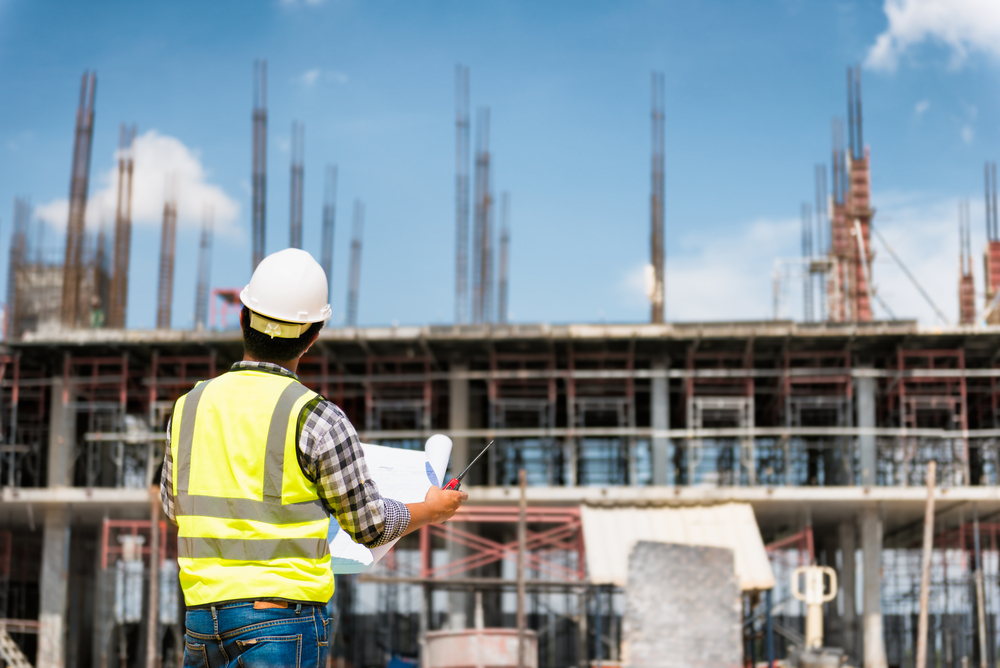
Benefits of Sustainable Development
Environmental Protection
Reduces greenhouse gas emissions and resource depletion.
Economic Growth
Improves long-term cost efficiency and attracts sustainable investment.
Social Impact
Enhances public health, safety, and community well-being.
Regulatory Compliance
Aligns with national and international sustainability goals.
Increased Asset Lifespan
Durable and efficient systems reduce maintenance costs over time.
Government and Policy Support
Governments worldwide are implementing sustainability frameworks to guide infrastructure projects. In India, environmental policies and climate strategies are overseen by the Ministry of Environment, Forest and Climate Change, which promotes sustainable development standards across sectors.
Additionally, global sustainability initiatives and climate agreements encourage nations to prioritize low-carbon infrastructure investments.
Challenges in Sustainable Infrastructure Development
Despite its advantages, challenges include:
-
High initial investment costs
-
Complex regulatory requirements
-
Technology integration barriers
-
Limited skilled workforce in sustainable practices
However, long-term environmental and economic benefits outweigh these initial challenges.
Future Trends in Sustainable Infrastructure Development
By 2030 and beyond, sustainable infrastructure development will emphasize:
-
Net-zero infrastructure systems
-
Smart city ecosystems
-
Green hydrogen integration
-
Electrified public transportation
-
Circular economy construction models
These innovations will help cities and nations transition toward low-carbon, resilient growth.
Conclusion
Sustainable Infrastructure Development is essential for balancing economic expansion with environmental responsibility. By integrating renewable energy, smart technologies, climate resilience, and low-carbon materials, nations can build infrastructure that supports growth while protecting the planet.
For professional support in conducting stakeholder-focused project audits and reporting, connect here.
Read more related articles to enhance your knowledge and make informed decisions
Cost-Effective Modular Construction: Fast, and Sustainable Building Solutions
Smart Modular Buildings: Innovative, Efficient, and Sustainable Construction