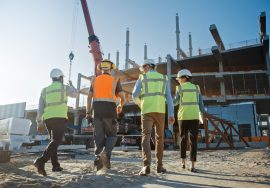
Project Monitoring Dashboard for Real-Time Project Control
Project Monitoring Dashboard: A Smart Tool for Project Success
A project monitoring is one of the most powerful tools in modern project management. It provides a centralized, real-time view of project performance, helping teams track progress, monitor risks, and make informed decisions. In today’s fast-paced business environment, relying on manual reports is no longer enough—organizations need a dynamic project monitoring dashboard to stay in control.
Whether managing IT, construction, or enterprise projects, a well-designed project monitoring improves visibility, accountability, and overall project performance.
What Is a Project Monitoring Dashboard?
A project monitoring dashboard is a visual reporting tool that displays key project metrics in one place. It uses charts, graphs, and indicators to show real-time data related to schedule, cost, scope, quality, and risks.
An effective project monitoring enables project managers and stakeholders to quickly understand project health without digging through complex reports. It turns raw data into actionable insights.
Why a Project Monitoring Dashboard Is Important
Implementing a project monitoring delivers several strategic advantages:
Real-Time Visibility
Dashboards provide up-to-date project status, reducing surprises and delays.
Better Decision-Making
Clear visuals help leaders take quick and accurate actions.
Improved Accountability
Teams can see task ownership, progress, and performance clearly.
Risk Identification
Early warning indicators highlight schedule slips or cost overruns.
Efficient Reporting
Automated dashboards reduce time spent on manual status reports.
Without a reliable project monitoring , project teams often struggle with fragmented data and delayed insights.
Key Components of a Project Monitoring Dashboard
A successful project monitoring dashboard includes the following core elements:
Schedule Indicators
Displays milestone completion, task status, and timeline variance.
Cost Metrics
Shows budget vs. actual spending and cost performance indexes.
Performance KPIs
Tracks key performance indicators related to productivity and quality.
Risk and Issue Tracking
Highlights open risks, issues, and mitigation actions.
Resource Utilization
Monitors workload distribution and capacity planning.
These components ensure the project monitoring delivers a comprehensive view of project execution.

Types of Project Monitoring Dashboards
Operational Dashboard
Used by project teams to track daily activities and task progress.
Management Dashboard
Designed for managers to review performance, risks, and overall health.
Executive Dashboard
Provides high-level summaries for leadership and stakeholders.
Each type of project monitoring dashboard serves a specific audience while maintaining data consistency across the project.
Tools Used to Create Project Monitoring Dashboards
Modern digital tools simplify the creation and maintenance of a project monitoring:
Popular Tools
-
Microsoft Project
-
Power BI
-
Jira
-
Tableau
-
Asana
-
ClickUp
-
Zoho Projects
These tools integrate data from multiple sources and present it through interactive dashboards for better control.
Best practices for dashboard-based monitoring often align with standards and frameworks published by Project Management Institute.
Indian professionals can explore additional resources and certifications here
Best Practices for an Effective Project Monitoring Dashboard
1. Define Clear Objectives
Identify what metrics matter most for your project goals.
2. Keep It Simple
Avoid clutter and focus on meaningful KPIs.
3. Use Real-Time Data
Ensure dashboards are updated automatically and accurately.
4. Customize for Stakeholders
Different users require different views of the project monitoring.
5. Review Regularly
Use dashboards in meetings to drive action and accountability.
Following these practices ensures your project monitoring supports proactive project management.
Challenges in Using Project Monitoring Dashboards
Despite their benefits, organizations may face challenges such as:
-
Poor data quality
-
Overloading dashboards with too many metrics
-
Lack of user training
-
Misinterpretation of visual data
These challenges can be resolved through standardized data processes, user training, and continuous improvement.
Conclusion
A project monitoring dashboard is a vital tool for achieving project success in today’s data-driven environment. By providing real-time visibility, performance insights, and risk alerts, it enables teams to stay aligned and in control.
If you want to design or implement a powerful project monitoring tailored to your business needs, expert guidance can help you build a system that delivers measurable results.
Get in touch with us today
Read more related articles to enhance your knowledge and make informed decisions
Cost-Effective Modular Construction: Fast, and Sustainable Building Solutions
Smart Modular Buildings: Innovative, Efficient, and Sustainable Construction