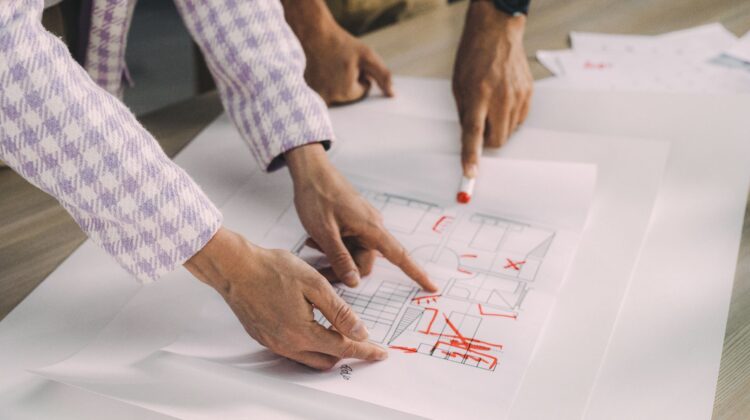
Design Integration Challenges in Construction Project Planning
Design integration is a critical factor in construction project planning that directly influences project delivery quality and efficiency. Early and effective design integration ensures all stakeholders, including architects, engineers, contractors, and project owners, align their objectives and technical requirements. This article explores common challenges in design integration within commercial, industrial, and institutional projects, offering practical insights from AMs Project Consultants Pvt. Ltd., a specialist in construction project management consultancy.
Useful reference: PMI Construction Extension to the PMBOK Guide
Useful reference: Statement of Work (SOW) : Definition, Process & Free Templates
In construction project management, design integration involves coordinating architectural, structural, and MEP (Mechanical, Electrical, Plumbing) systems to create a cohesive build plan. Challenges arise when these disciplines work in silos, leading to conflicts, redesigns, and delays. AMs emphasizes the importance of a structured design management process, supported by continuous stakeholder coordination and technical feasibility assessments, to mitigate these challenges.
Key Design Integration Challenges in Construction Project Planning
One major challenge is managing multidisciplinary coordination. Architectural designs often evolve alongside structural and MEP plans, requiring frequent updates and validation. Without a centralized design management approach, discrepancies can cause clashes during construction, impacting quality and cost control. AMs advocates for integrated project delivery methods that incorporate design reviews, clash detection software, and regular coordination meetings.
Another issue is aligning design intent with procurement and construction schedules. Delays in finalizing design details can cascade into procurement hold-ups and site execution conflicts. Effective design integration requires synchronized timelines and clear communication channels between design teams and procurement specialists, a service AMs provides through end-to-end project cycle management.
Design Integration and Cost Management
Cost implications of poor design integration are significant. Rework due to design conflicts increases construction budgets and risks overruns. AMs’ cost management expertise helps clients maintain budget discipline by integrating cost reviews into design phases. This includes evaluating technical feasibility and value engineering to balance design quality with project cost targets.
Common Mistakes to Avoid in Design Integration
- Neglecting early involvement of MEP and structural engineers in the design phase.
- Relying solely on traditional 2D drawings without leveraging BIM or clash detection tools.
- Insufficient documentation and version control leading to confusion among contractors.
- Ignoring procurement timelines during design finalization.
- Underestimating the importance of stakeholder coordination and communication.
When to Involve a Professional Project Management Consultant
Engaging a professional consultant like AMs early in the project ensures design integration challenges are addressed proactively. AMs provides design management, construction audit, and MEP coordination services that help identify risks and resolve conflicts before they impact site execution. This involvement is crucial for complex built-to-suit projects, warehouse developments, and corporate office fit-outs.
Planning, Execution, and Handover Considerations
During planning, AMs focuses on establishing clear design milestones and integration checkpoints. Execution involves continuous monitoring of design compliance and quality control, while handover requires thorough documentation and techno-commercial closeout to confirm that design specifications have been met. This structured approach minimizes surprises and supports smooth project completion.
| Design Integration Aspect | Common Challenge | AMs Project Consultants Approach |
|---|---|---|
| Multidisciplinary Coordination | Conflicting design details causing rework | Regular coordination meetings and clash detection software use |
| Design and Procurement Alignment | Delays impacting material availability | Synchronized timelines and procurement checkpoints |
| Cost Control | Budget overruns from design changes | Cost reviews integrated with design and value engineering |
| Documentation | Version confusion and information gaps | Strict version control and centralized documentation |
What Project Owners Should Check Before Starting
- Confirm involvement of all key design disciplines early.
- Ensure clear design management roles and responsibilities are defined.
- Establish communication protocols and documentation standards.
- Verify alignment of design milestones with procurement and construction schedules.
- Consult with a PMC like AMs for risk assessment and integration planning.
FAQs on Design Integration Challenges in Construction Project Planning
What is design integration in construction project planning?
Design integration is the process of coordinating architectural, structural, and MEP designs to ensure a cohesive and conflict-free construction plan.
Why is design integration important for commercial and industrial projects?
It prevents design conflicts that cause delays, cost overruns, and quality issues, which are critical in complex commercial and industrial projects.
How does AMs support design integration challenges?
AMs provides expert design management, stakeholder coordination, cost management, and MEP coordination to streamline design integration throughout the project lifecycle.
What are common mistakes in design integration to avoid?
Common mistakes include late involvement of key disciplines, poor documentation, ignoring procurement timelines, and lack of coordination.
When should a project owner involve a professional project management consultant?
Early involvement is recommended to plan integration, manage risks, and ensure smooth execution and handover.
How does design integration impact project cost management?
Poor integration leads to rework and budget overruns; integrating cost reviews during design helps control expenses.
What role does technology play in design integration?
Tools like BIM and clash detection software help identify conflicts early and improve coordination among design teams.
Effective design integration is essential for successful construction project planning. By addressing multidisciplinary coordination, aligning design with procurement, and incorporating cost management, project owners and stakeholders can reduce risks and improve project outcomes. AMs Project Consultants Pvt. Ltd. offers comprehensive support in these areas, helping clients navigate design integration challenges with professional expertise and practical solutions.
For more insights on managing complex construction projects, visit How Quality Planning Impacts Construction Cost and Timeline and How Constructability Review Influences Construction Planning and Execution to explore related services and case studies.