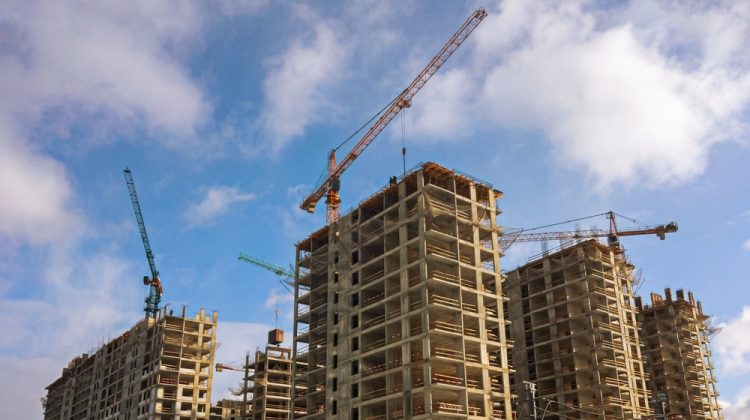
Construction Site Risk Management: Ensuring Safety, Compliance
Construction Site Risk Management: Creating Safer and Efficient Worksites
Construction sites are dynamic environments with multiple activities happening simultaneously. Heavy machinery, labor movement, hazardous materials, and changing site conditions make risk management essential. Construction site risk management focuses on identifying, assessing, and controlling risks that may affect safety, productivity, cost, and project timelines. Without a structured approach, site risks can lead to accidents, delays, legal penalties, and financial losses.
At AMs – Construction Project Management Consultancy, we support clients in implementing effective construction site risk management systems to ensure safer and more controlled project execution.
What Is Construction Site Risk Management?
Construction site risk management is the systematic process of identifying hazards on construction sites, assessing their impact, and implementing preventive and corrective measures. These risks may involve safety hazards, equipment failures, environmental conditions, labor issues, or operational inefficiencies.
Effective construction site risk management helps maintain safety standards, ensures compliance, and minimizes disruptions throughout the project lifecycle.
Importance of Construction Site Risk Management
Poorly managed site risks can have serious consequences for workers and projects. Proactive construction site risk management offers several benefits:
-
Protects workers from injuries and accidents
-
Reduces downtime caused by incidents or investigations
-
Ensures compliance with safety and labor regulations
-
Prevents cost overruns due to delays and rework
-
Enhances productivity and site efficiency
-
Builds trust among clients, contractors, and regulators
Managing site risks effectively is critical for project success and sustainability.
Common Construction Site Risks
Safety Hazards
Falls from height, machinery accidents, electrical hazards, and unsafe scaffolding are major risks on construction sites.
Equipment and Machinery Risks
Breakdowns, improper usage, and lack of maintenance increase the likelihood of accidents and delays.
Environmental and Weather Risks
Extreme weather, dust, noise, and unstable ground conditions affect worker safety and site operations.
Material Handling Risks
Improper storage or handling of materials can cause injuries, damage, or quality issues.
Workforce-Related Risks
Untrained labor, fatigue, lack of supervision, and poor communication increase site risk exposure.
Compliance and Regulatory Risks
Failure to follow safety norms, labor laws, or environmental regulations can lead to penalties and site shutdowns.
Construction Site Risk Process
Risk Identification
Identify site-specific risks through inspections, hazard assessments, and safety audits.
Risk Assessment
Analyze the likelihood and severity of each risk to prioritize mitigation efforts.
Risk Mitigation Planning
Implement safety measures such as PPE usage, barricading, safety signage, training programs, and safe work procedures.
Monitoring and Control
Conduct regular site inspections, toolbox talks, and progress reviews to ensure controls remain effective.
Incident Reporting and Improvement
Document incidents and near-misses to improve safety measures and prevent recurrence.
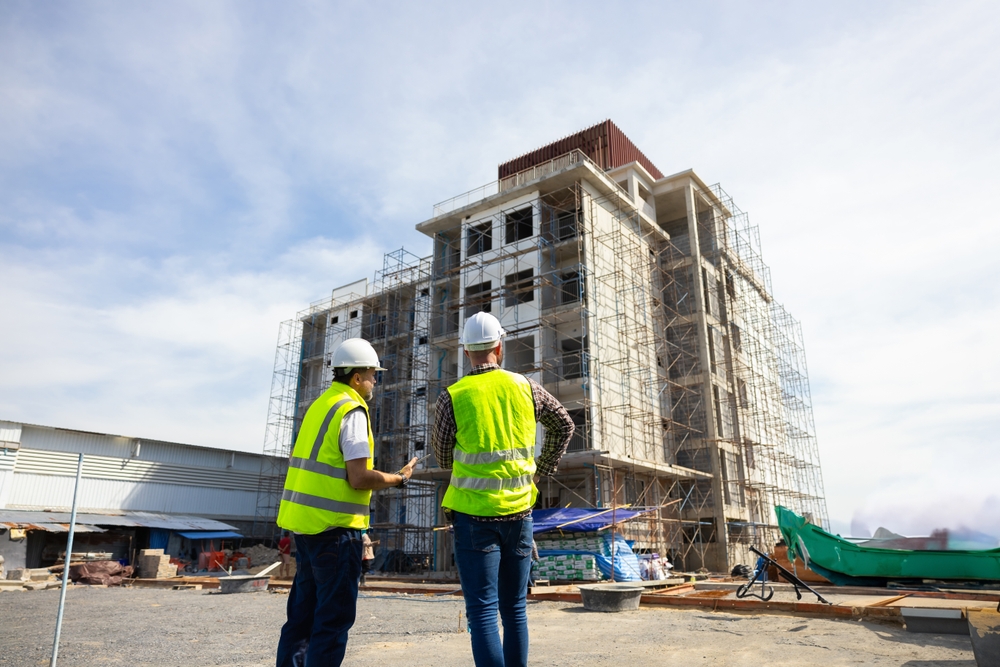
Best Practices for Effective Construction Site Management
Conduct Regular Site Inspections
Daily and weekly inspections help identify hazards before they escalate into serious incidents.
Safety Training and Awareness
Educating workers on site risks and safe work practices reduces human error.
Use of Personal Protective Equipment (PPE)
Mandatory use of helmets, gloves, safety shoes, and harnesses minimizes injury risks.
Clear Site Communication
Proper signage, safety briefings, and coordination meetings reduce confusion and accidents.
Emergency Preparedness
Emergency response plans for fire, accidents, and natural events ensure quick and effective action.
Engage Professional Risk Consultants
Expert consultants provide structured site risk assessments and compliance oversight.
Role of Consultants in Construction Site Management
Professional consultants help establish site safety plans, conduct audits, monitor compliance, and train personnel. Their independent oversight ensures that risks are managed systematically and aligned with regulatory standards.
If you need expert support for construction site management, connect with our team today.
Construction Site Management in India
Indian construction sites face unique challenges such as high labor dependency, variable skill levels, regulatory complexity, and climatic conditions. Following industry frameworks and safety guidelines recommended by the Construction Industry Development Council (CIDC) strengthens construction site management practices across projects.
Conclusion
Construction site management is essential for ensuring worker safety, regulatory compliance, and smooth project execution. By identifying hazards early, implementing preventive controls, monitoring site activities, and engaging professional consultants, construction teams can significantly reduce risks and improve project outcomes. A proactive approach to site risk management not only protects people but also ensures timely, cost-effective, and successful project delivery.
For professional construction site risk management services, reach out to AMs – Construction Project Management Consultancy today.