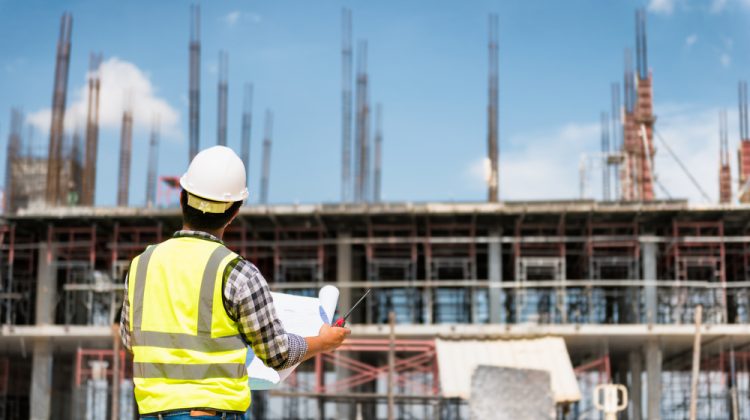
Weather-Related Construction Delays: Causes, Impact & Management
Weather-Related Construction Delays in Construction Projects
Weather-related construction delays are a common and unavoidable challenge across construction projects worldwide. In regions with monsoons, extreme heat, or seasonal storms, adverse weather conditions can significantly disrupt site activities. Construction delays not only affect productivity but also create contractual and financial risks for project stakeholders.
Understanding how weather impacts construction schedules and how to manage construction delays is essential for effective project delivery.
What Are Weather-Related Construction Delays?
Construction delays occur when adverse climatic conditions prevent planned construction activities from being executed safely or efficiently. These conditions may include heavy rainfall, flooding, extreme temperatures, high winds, cyclones, or prolonged wet seasons.
Construction delays are often categorized as excusable delays, depending on contract provisions and severity.
Importance of Managing Weather-Related Construction Delays
Construction delays are critical because they:
-
Disrupt planned construction sequences
-
Reduce labor productivity and efficiency
-
Delay critical path activities
-
Increase preliminaries and overhead costs
-
Trigger Extension of Time (EOT) claims
-
Increase safety risks on site
Effective management of construction delays helps protect project timelines and contractual positions.
Common Causes of Weather-Related Construction Delays
Heavy Rainfall and Flooding
Monsoon rains can halt earthworks, concreting, and external works, making rainfall a major source of construction delays.
Extreme Heat Conditions
High temperatures affect worker productivity, concrete curing, and equipment performance.
High Winds and Storms
Strong winds disrupt lifting operations, façade works, and temporary structures.
Cyclones and Severe Weather Events
Extreme weather events can cause site shutdowns, material damage, and access issues.
Seasonal Weather Patterns
Failure to account for predictable seasonal weather often leads to avoidable construction delays.
Impact of Weather-Related Construction Delays on Projects
Construction delays can result in:
-
Extension of Time (EOT) entitlement
-
Prolongation and overhead costs
-
Disruption to sequencing and productivity
-
Damage to partially completed works
-
Increased safety incidents
-
Claims and counterclaims
The impact is magnified when weather delays affect activities on the critical path.
Weather-Related Construction Delays and Delay Claims
Construction delays are typically treated as excusable but non-compensable delays, unless contract provisions state otherwise. Contractors may be entitled to time extensions but not cost compensation.
To support claims related to Construction delays, contractors must demonstrate that:
-
Weather conditions were abnormal
-
Delays exceeded historical averages
-
Critical path activities were affected
-
Proper notices were issued
Accurate weather records and schedule impact analysis are essential.
Managing Weather-Related Construction Delays
Weather-Sensitive Planning
Construction programmes should account for seasonal weather patterns and include realistic allowances.
Flexible Scheduling
Re-sequencing indoor and outdoor activities helps mitigate weather-related construction delays.
Protective Measures
Temporary shelters, drainage systems, and curing protection reduce weather impact.
Monitoring and Documentation
Daily weather logs and site records strengthen delay entitlement.
Risk-Based Contingency Planning
Including float and buffers helps absorb unavoidable weather delays.

Consultant Support for Weather-Related Construction Delays
Experienced consultants assist in objectively assessing and managing construction delays.
At AMs – Construction Project Management Consultancy, we provide:
-
Weather delay impact analysis
-
Critical path and schedule assessment
-
Extension of Time (EOT) claims support
-
Delay documentation and reporting
-
Risk mitigation planning
-
Dispute avoidance services
Get Expert Support for Construction Delay Management
Weather-Related Construction Delays in Indian Projects
In India, construction delays are especially significant due to monsoons, heat waves, and cyclonic events. Planning practices and contract guidelines followed by the Central Public Works Department emphasize realistic scheduling, historical weather data analysis, and proper documentation to fairly assess weather delays.
Best Practices to Reduce Weather-Related Construction Delays
Use Historical Weather Data
Incorporate past weather trends into planning.
Protect Critical Activities
Provide safeguards for weather-sensitive works.
Maintain Accurate Records
Document weather conditions daily.
Update Schedules Regularly
Reflect actual weather impacts promptly.
Engage Delay Experts
Professional analysis improves claim credibility.
Conclusion
Construction delays are an inevitable part of construction projects, but their impact can be effectively managed with proper planning, documentation, and professional support. By anticipating weather risks and adopting flexible scheduling strategies, project stakeholders can minimize disruption, protect timelines, and reduce disputes. Proactive management of construction delays is essential for resilient and successful project delivery.
Read more related articles to enhance your knowledge and make informed decisions
Cost-Effective Modular Construction: Fast, and Sustainable Building Solutions
Smart Modular Buildings: Innovative, Efficient, and Sustainable Construction