Design Coordinator Roles: Responsibilities, Skills & Career Guide
Design Coordinator Roles: A Complete Guide
Understanding Design Coordinator roles is essential for businesses involved in construction, architecture, and creative industries. A Design Coordinator plays a key role in ensuring that all design-related activities are aligned, organized, and executed efficiently.
In today’s fast-paced project environment, Design Coordinator have become increasingly important for maintaining quality, meeting deadlines, and ensuring smooth communication between teams.
What Are Design Coordinator Roles?
Design Coordinator involve managing and coordinating design processes across different teams. These professionals act as a bridge between designers, engineers, project managers, and clients to ensure that all design elements are properly integrated.
A Design Coordinator ensures that designs meet project requirements, timelines, and quality standards.
Key Responsibilities of Design Coordinator
1. Coordinating Design Activities
One of the primary Design Coordinator is to manage and synchronize design tasks across multiple departments. This ensures that all teams are working towards the same project goals.
2. Managing Design Documentation
Design Coordinators are responsible for maintaining accurate and updated design documents, drawings, and specifications.
3. Ensuring Design Compliance
They ensure that all designs meet industry standards, regulations, and client requirements.
4. Communication and Collaboration
Effective communication is a core part of Design Coordinator , as they connect different stakeholders and ensure clarity in project requirements.
5. Reviewing and Approving Designs
They assist in reviewing designs, identifying errors, and ensuring that corrections are made before final approval.
Skills Required for Design Coordinator
Technical Knowledge
Understanding design tools like CAD, BIM, and other software is essential.
Project Management Skills
Strong planning, scheduling, and coordination abilities are required.
Communication Skills
Clear communication helps in managing stakeholders effectively.
Problem-Solving Ability
Quick decision-making and issue resolution are key aspects of Design Coordinator.
Attention to Detail
Ensures accuracy in design documentation and execution.
Importance of Design Coordinator Roles in Projects
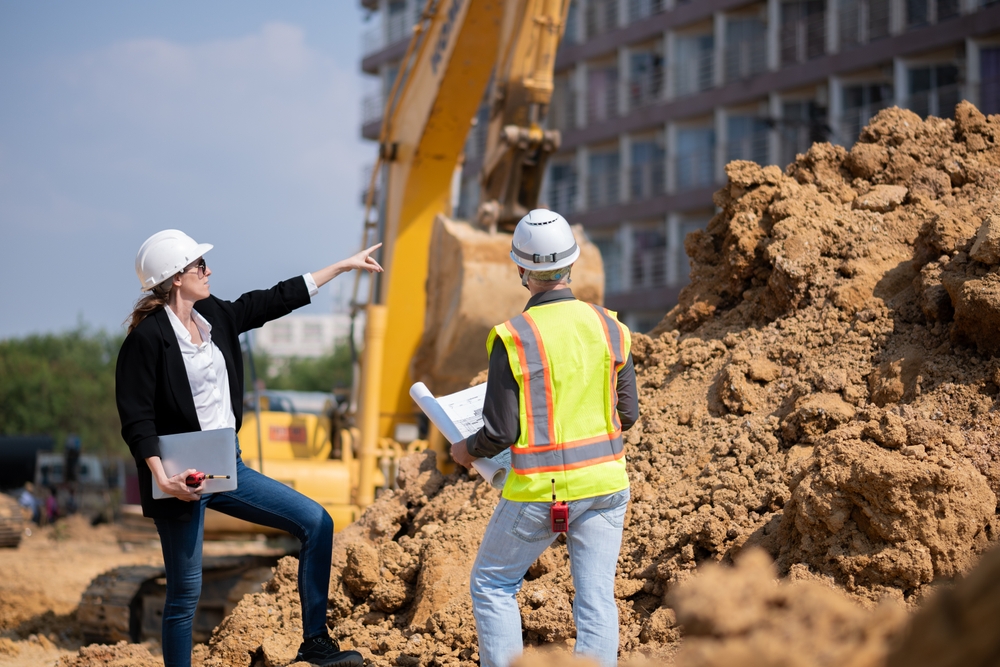
The significance of Design Coordinator cannot be overlooked in modern projects:
-
Ensures smooth coordination between teams
-
Reduces design errors and rework
-
Improves project efficiency
-
Maintains quality and compliance
-
Helps meet project deadlines
Without proper coordination, projects can face delays and increased costs.
Industries That Require Design Coordinator Roles
Construction Industry
Managing architectural and structural designs.
Interior Design
Coordinating layouts, materials, and client requirements.
Engineering Projects
Handling technical drawings and design integration.
Creative Agencies
Managing design workflows for branding and media projects.
These industries heavily rely on Design Coordinator roles for successful project delivery.
Career Opportunities in Design Coordination
Professionals in Design Coordinator roles can explore various career paths:
-
Senior Design Coordinator
-
Project Manager
-
Design Manager
-
BIM Coordinator
With experience, individuals can move into leadership roles and handle larger projects.
Best Practices for Design Coordinator Roles
Maintain Clear Communication
Keep all stakeholders informed at every stage.
Use Design Tools
Leverage software for better coordination and tracking.
Regular Design Reviews
Ensure quality and accuracy through frequent checks.
Document Everything
Maintain proper records for future reference.
Stay Updated
Keep up with the latest design trends and technologies.
Conclusion
Design Coordinator roles are crucial for ensuring that design processes run smoothly and efficiently. From managing documentation to coordinating teams, these professionals play a vital role in project success.
For professional support in conducting stakeholder-focused project audits and reporting, connect here.
Read more related articles to enhance your knowledge and make informed decisions
Cost-Effective Modular Construction: Fast, and Sustainable Building Solutions
Smart Modular Buildings: Innovative, Efficient, and Sustainable Construction