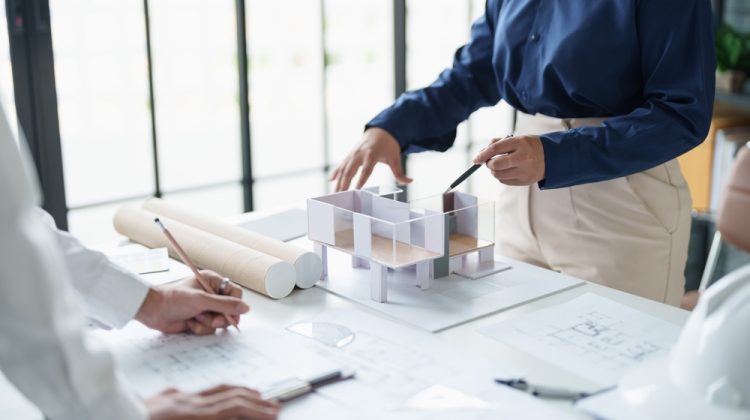
Interior Design Coordinator: Roles, Responsibilities & Career Guide
Interior Design Coordinator: A Complete Guide
An Interior Design Coordinator plays a vital role in managing and organizing interior design projects from concept to completion. This position ensures that all design elements, materials, and timelines are aligned to deliver high-quality interiors.
With growing demand in residential, commercial, and hospitality sectors, the role of an Interior Design Coordinator has become essential for ensuring smooth project execution and client satisfaction.
What is an Interior Design Coordinator?
An Design Coordinator is responsible for coordinating design activities, managing communication between clients and designers, and ensuring that projects are completed according to plan.
They act as a bridge between designers, vendors, contractors, and clients to ensure that the project runs efficiently.
Key Responsibilities of Interior Design Coordinator
1. Coordinating Design Projects
A primary responsibility of an Design Coordinator is to manage and align all design tasks, ensuring smooth workflow.
2. Managing Materials and Vendors
They coordinate with suppliers for materials, furniture, and décor elements required for the project.
3. Reviewing Design Plans
An Interior Design Coordinator ensures that layouts, color schemes, and materials meet client expectations and project standards.
4. Scheduling and Planning
They manage timelines, track progress, and ensure timely completion of design tasks.
5. Communication with Clients
Maintaining clear communication with clients to understand requirements and provide updates.
6. Site Coordination
They may visit project sites to ensure designs are implemented correctly.

Skills Required for Design Coordinator
Design Knowledge
Understanding of interior design concepts, materials, and trends.
Technical Skills
Familiarity with tools like AutoCAD, SketchUp, and design software.
Communication Skills
Essential for coordinating with clients and team members.
Organizational Skills
Managing multiple tasks and deadlines efficiently.
Problem-Solving Ability
Handling issues related to materials, timelines, or design changes.
These skills help an Design Coordinator perform effectively in dynamic environments.
Importance of Design Coordinator in Projects
The role of an Interior Design Coordinator is crucial because:
-
Ensures smooth coordination between teams
-
Improves project efficiency and workflow
-
Reduces design errors and delays
-
Enhances client satisfaction
-
Maintains design quality and consistency
Without proper coordination, interior projects can face delays and budget issues.
Industries Hiring Design Coordinators
Interior Design Firms
Managing residential and commercial projects.
Real Estate Companies
Coordinating interior layouts for properties.
Hospitality Industry
Designing hotels, restaurants, and resorts.
Retail Spaces
Planning store layouts and visual merchandising.
These industries rely heavily on skilled Design Coordinator professionals.
Career Growth Opportunities
Professionals working as an Interior Design Coordinator can advance to:
-
Senior Interior Coordinator
-
Interior Designer
-
Design Manager
-
Project Manager
With experience, they can take on leadership roles and handle large-scale projects.
Best Practices for Design Coordinator
Maintain Clear Communication
Ensure all stakeholders are aligned with project goals.
Stay Updated with Trends
Keep up with modern design styles and materials.
Use Design Tools
Leverage software for better planning and visualization.
Monitor Progress
Track timelines and ensure timely completion.
Conclusion
An Design Coordinator is essential for managing interior design projects efficiently. From coordinating teams to ensuring quality execution, this role plays a key part in delivering successful design outcomes.
For professional support in conducting stakeholder-focused project audits and reporting, connect here.
Read more related articles to enhance your knowledge and make informed decisions
Cost-Effective Modular Construction: Fast, and Sustainable Building Solutions
Smart Modular Buildings: Innovative, Efficient, and Sustainable Construction