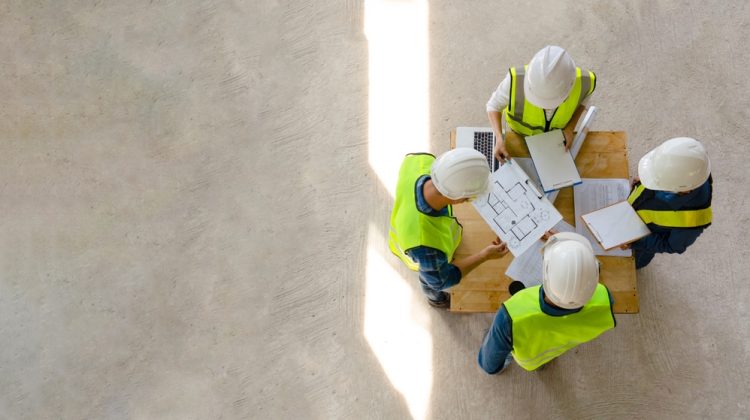
Design Project Coordination: Complete Guide for Efficient Project Management
Design Project Coordination: A Complete Guide
Effective Design project coordination is essential for ensuring that all aspects of a design project run smoothly from concept to completion. It involves managing multiple teams, aligning design elements, and ensuring that project goals are achieved on time and within budget.
In modern industries like construction, architecture, and interior design, strong Design project coordination helps reduce errors, improve communication, and enhance overall project efficiency.
What is Design Project Coordination?
Design project coordination refers to the process of organizing, managing, and integrating design activities across different teams. It ensures that all design components—architectural, structural, and MEP—work together seamlessly.
This process involves collaboration between designers, engineers, contractors, and clients to deliver a unified project outcome.
Importance of Project Coordination
Implementing effective project coordination offers several benefits:
-
Reduces design conflicts and errors
-
Improves communication among teams
-
Ensures compliance with standards
-
Enhances project efficiency
-
Supports timely project delivery
Without proper coordination, projects may face delays, increased costs, and quality issues.
Key Responsibilities in Project Coordination
1. Managing Design Workflow
A core part of project coordination is organizing tasks and ensuring that all design activities follow a structured workflow.
2. Coordinating Between Teams
Ensuring smooth communication between architects, engineers, and contractors.
3. Reviewing Design Documents
Checking drawings and specifications for accuracy and completeness.
4. Monitoring Project Progress
Tracking timelines and ensuring milestones are achieved.
5. Resolving Design Issues
Identifying conflicts and working with teams to resolve them quickly.

Tools Used in Design Project Coordination
Modern project coordination relies on advanced tools such as:
-
AutoCAD
-
Revit
-
Navisworks
-
BIM software
-
Project management tools
These tools help improve collaboration, accuracy, and efficiency in design projects.
Skills Required for Project Coordination
Technical Skills
Knowledge of design software and tools is essential.
Communication Skills
Clear communication ensures effective coordination.
Organizational Skills
Managing multiple tasks and timelines efficiently.
Problem-Solving Ability
Resolving design conflicts and project challenges.
Attention to Detail
Ensuring accuracy in design and documentation.
Strong skills are essential for successful project coordination.
Industries Using Project Coordination
Construction Industry
Managing complex infrastructure and building projects.
Architecture Firms
Coordinating design development and documentation.
Interior Design
Aligning design concepts with execution.
Engineering Projects
Integrating technical designs and specifications.
These industries rely heavily on effective project coordination.
Best Practices for Project Coordination
Start Early
Begin coordination during the initial design phase.
Regular Meetings
Conduct coordination meetings to keep teams aligned.
Use Technology
Leverage BIM and project management tools.
Maintain Documentation
Keep all design records updated and organized.
Continuous Monitoring
Track progress and address issues proactively.
Conclusion
Design project coordination is a critical process that ensures all design elements are aligned and executed efficiently. By managing workflows, improving communication, and resolving conflicts, it plays a key role in project success.
For professional support in conducting stakeholder-focused project audits and reporting, connect here.
Read more related articles to enhance your knowledge and make informed decisions
Cost-Effective Modular Construction: Fast, and Sustainable Building Solutions
Smart Modular Buildings: Innovative, Efficient, and Sustainable Construction