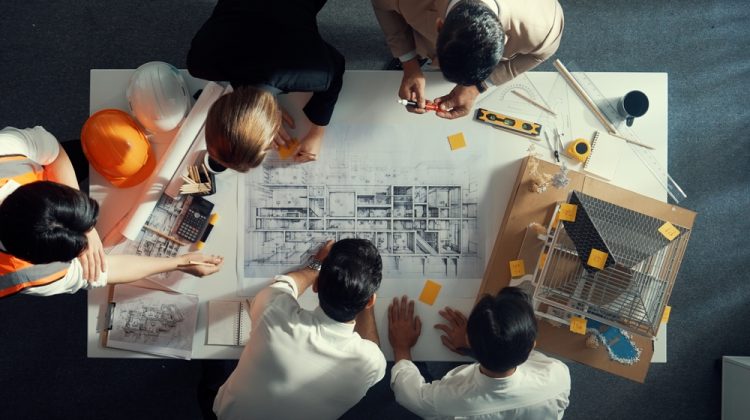
Construction Design Coordinator: Roles, Responsibilities & Career Guide
Construction Design Coordinator: A Complete Guide
A Construction Design Coordinator plays a vital role in ensuring that all design aspects of a construction project are properly managed and aligned. From coordinating architectural and engineering drawings to ensuring compliance with standards, this role is essential for smooth project execution.
In today’s complex construction projects, the demand for a skilled Construction Coordinator has increased significantly to manage multiple disciplines and ensure project efficiency.
What is a Construction Design Coordinator?
A Construction Coordinator is responsible for managing and coordinating design activities during the planning and execution phases of a construction project. They act as a link between architects, engineers, contractors, and project managers.
Their main objective is to ensure that all design elements are integrated and executed without conflicts.
Key Responsibilities of Construction Design Coordinator
1. Coordinating Design Activities
A primary duty of a Construction Coordinator is to align architectural, structural, and MEP designs across teams.
2. Reviewing Drawings and Plans
They review construction drawings to ensure accuracy, completeness, and compliance with project requirements.
3. Managing Design Documentation
Maintaining updated records of drawings, revisions, and specifications.
4. Ensuring Compliance with Standards
A Construction Coordinator ensures that designs follow building codes, safety regulations, and client expectations.
5. Communication with Stakeholders
They facilitate communication between contractors, consultants, and clients.
6. Resolving Design Conflicts
Identifying and resolving clashes between different design elements is a key responsibility.
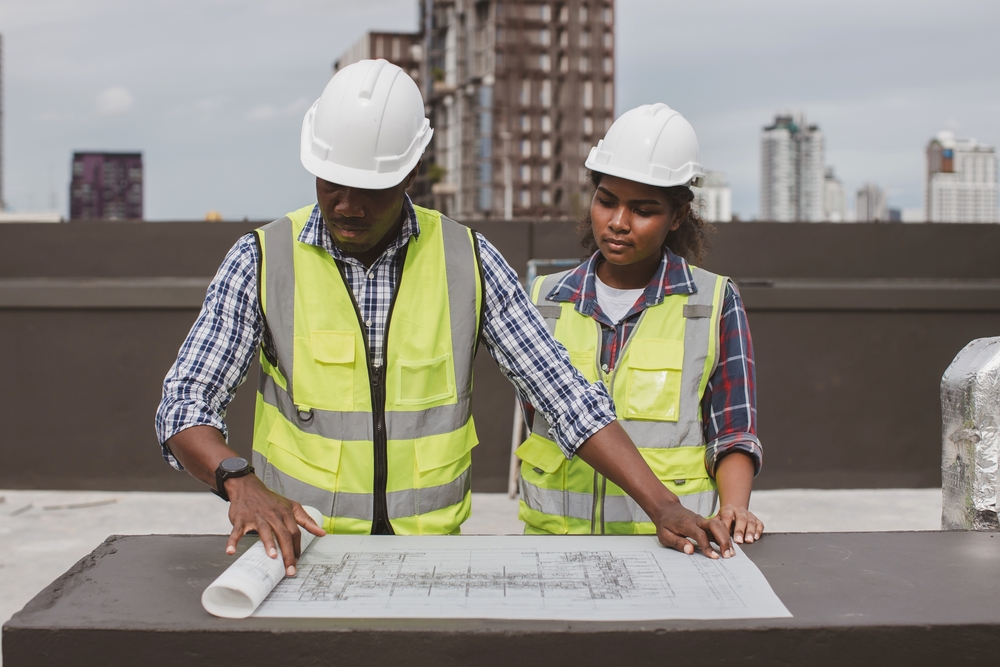
Skills Required for Construction Design
Technical Skills
Proficiency in AutoCAD, Revit, and BIM software is essential.
Project Management Skills
Strong planning and coordination abilities are required.
Communication Skills
Effective communication ensures smooth collaboration.
Problem-Solving Ability
Quickly resolving design issues and conflicts.
Attention to Detail
Ensuring accuracy in drawings and documentation.
These skills help a Construction Coordinator perform effectively in complex projects.
Importance of Construction Design in Projects
The role of a Construction Design Coordinator is critical because:
-
Ensures alignment between different design disciplines
-
Reduces errors and rework
-
Improves project efficiency
-
Maintains quality and compliance
-
Supports timely project completion
Without proper coordination, construction projects may face delays and increased costs.
Industries Hiring Construction Design
Construction Companies
Managing infrastructure and building projects.
Real Estate Development
Ensuring design consistency in large developments.
Engineering Firms
Coordinating technical designs and specifications.
Architecture Firms
Supporting design development and execution.
These industries rely heavily on a skilled Construction Coordinator.
Career Growth Opportunities
Professionals working as a Construction Design Coordinator can advance to:
-
Senior Design Coordinator
-
Design Manager
-
Project Manager
-
BIM Coordinator
With experience, they can take on leadership roles in large-scale projects.
Best Practices for Construction Coordinator
Start Coordination Early
Begin during the planning phase.
Use Advanced Tools
Leverage BIM and project management software.
Conduct Regular Reviews
Ensure design accuracy and quality.
Maintain Clear Communication
Keep all stakeholders informed and aligned.
Conclusion
A Construction Design Coordinator is essential for managing design processes in construction projects. By ensuring proper coordination, communication, and compliance, they contribute significantly to project success.
For professional support in conducting stakeholder-focused project audits and reporting, connect here.
Read more related articles to enhance your knowledge and make informed decisions
Cost-Effective Modular Construction: Fast, and Sustainable Building Solutions
Smart Modular Buildings: Innovative, Efficient, and Sustainable Construction