
Design Coordination in Projects: Strategies for Efficient Project Execution
Design Coordination in Projects: A Complete Guide
Effective Design coordination in projects is essential for ensuring that all design elements work together seamlessly. In industries like construction, architecture, and engineering, multiple teams contribute to a project, making coordination a critical success factor.
Strong coordination in projects helps improve communication, reduce errors, and ensure timely project completion.
What is Design Coordination in Projects?
Design coordination in projects refers to the process of managing and integrating design activities across different disciplines. It ensures that architectural, structural, and MEP designs align with each other and meet project requirements.
This process involves collaboration between designers, engineers, contractors, and clients.
Importance of Design Coordination in Projects
Implementing effective coordination in projects provides several benefits:
-
Reduces design conflicts and rework
-
Improves communication among teams
-
Ensures compliance with standards
-
Enhances project efficiency
-
Supports timely project delivery
Without proper coordination, projects can face delays, increased costs, and quality issues.
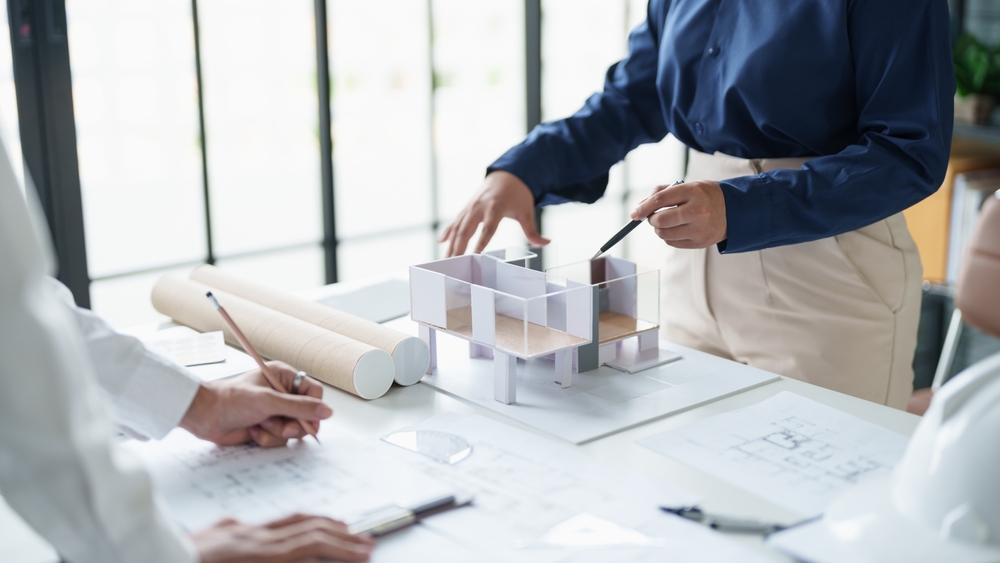
Key Elements of Design Coordination in Projects
1. Clear Communication
One of the most important aspects of coordination in projects is maintaining transparent communication among stakeholders.
2. Defined Roles and Responsibilities
Clearly assigning roles ensures accountability and smooth workflow.
3. Integrated Design Approach
Aligning all design disciplines to work as a unified system.
4. Use of Technology
Leveraging BIM and design software for better coordination.
5. Regular Coordination Meetings
Frequent meetings help track progress and resolve issues.
Process of Coordination in Projects
Step 1: Design Planning
Define project requirements and establish coordination strategies.
Step 2: Design Development
Create detailed drawings and specifications.
Step 3: Review and Validation
Check designs for accuracy, compliance, and integration.
Step 4: Clash Detection
Identify and resolve conflicts between different design elements.
Step 5: Implementation
Execute designs and ensure proper coordination during construction.
This structured approach ensures effective coordination in projects.
Tools Used in Design Coordination in Projects
Modern Design coordination in projects relies on tools such as:
-
AutoCAD
-
Revit
-
Navisworks
-
BIM platforms
-
Project management tools
These tools improve collaboration, accuracy, and efficiency.
Challenges in Coordination in Projects
Even with proper planning, challenges may arise:
-
Communication gaps
-
Conflicting design requirements
-
Delays in approvals
-
Lack of proper documentation
Addressing these challenges improves overall coordination.
Best Practices for Coordination in Projects
Start Early
Begin coordination during the initial design phase.
Use Centralized Systems
Maintain all documents in one place.
Encourage Collaboration
Promote teamwork among all stakeholders.
Monitor Progress
Track milestones and address delays promptly.
Conduct Regular Reviews
Ensure designs meet quality and compliance standards.
Industries Using Coordination in Projects
Construction Industry
Managing large-scale infrastructure projects.
Architecture Firms
Coordinating design development and execution.
Engineering Projects
Integrating technical and design elements.
Interior Design
Aligning design concepts with implementation.
These industries rely heavily on effective coordination in projects.
Conclusion
Design coordination in projects is a critical process that ensures all design elements are aligned and executed efficiently. By improving communication, reducing errors, and using the right tools, organizations can achieve successful project outcomes.
For professional support in conducting stakeholder-focused project audits and reporting, connect here.
Read more related articles to enhance your knowledge and make informed decisions
Cost-Effective Modular Construction: Fast, and Sustainable Building Solutions
Smart Modular Buildings: Innovative, Efficient, and Sustainable Construction