Hybrid Project Management: The Future of Flexible Business Operations
Hybrid Project Management: The Future of Flexible Business Operations
Hybrid project management is becoming one of the most effective business strategies in 2026 as organizations seek greater flexibility, efficiency, and control over complex projects. Modern businesses often require both structured planning and adaptive workflows, making hybrid project management an ideal solution for balancing stability and innovation.
By combining traditional project management methods like Waterfall with agile frameworks such as Scrum and Kanban, hybrid project management allows teams to customize workflows according to project requirements. This approach is widely used across industries including IT, construction, healthcare, finance, and marketing.
What Is Hybrid Project Management?
Project management is a methodology that combines elements of traditional project management and agile practices within a single workflow. Businesses use this approach to gain the structure of predictive planning while maintaining the flexibility needed to adapt to changing project requirements.
Project management typically includes:
- Structured project planning
- Agile sprint execution
- Flexible task management
- Predictive scheduling
- Continuous collaboration
- Real-time performance tracking
This balanced model helps organizations improve efficiency while reducing project risks.
Why Businesses Are Adopting Project Management
Modern projects often involve changing customer demands, distributed teams, and complex operational requirements. Traditional project management methods alone may not provide enough flexibility, while fully agile systems may lack the structure needed for large-scale projects.
Key benefits of project management include:
- Better adaptability
- Improved project visibility
- Faster decision-making
- Stronger collaboration
- Increased productivity
- Better risk management
Industry experts report that hybrid execution models are rapidly becoming standard practice in organizations managing large or cross-functional projects.

How Project Management Works
Project management combines predictive and adaptive workflows based on project phases and business needs.
Traditional Planning Phase
The project begins with structured planning that includes:
- Budget forecasting
- Timeline creation
- Resource allocation
- Risk assessment
- Scope definition
This phase provides a clear roadmap for the entire project.
Agile Execution Phase
Teams then use agile methodologies for project execution and collaboration.
Agile components may include:
- Sprint planning
- Daily stand-up meetings
- Continuous feedback
- Iterative development
- Kanban workflow management
This flexible approach helps teams adapt quickly to changing priorities.
Key Features of Project Management
Flexible Workflow Systems
Hybrid models allow organizations to customize workflows according to project complexity and business objectives.
Improved Collaboration
Cross-functional teams can collaborate more effectively using agile communication practices and centralized project management platforms.
Better Risk Control
Traditional planning helps identify potential risks early, while agile execution enables rapid adjustments when issues arise.
Enhanced Project Visibility
Hybrid systems provide real-time dashboards and reporting tools that improve transparency across all project stages.
Businesses seeking workflow optimization and operational support can explore solutions offered by AMS India for modern business management services.
Industries Using Project Management
Information Technology
Software development companies use hybrid project management to combine structured release schedules with agile coding practices.
Construction Industry
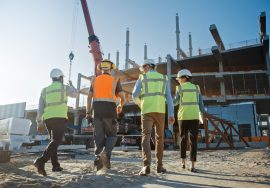
Construction firms rely on traditional planning for budgets and timelines while using agile collaboration for on-site coordination.
Healthcare
Healthcare organizations use hybrid workflows to manage compliance requirements while improving operational flexibility.
Marketing and Creative Teams
Marketing agencies combine structured campaign planning with agile content production and customer feedback integration.
Popular Hybrid Project Management Frameworks
Agile-Waterfall Hybrid
This model combines traditional project planning with agile execution and iterative delivery.
Scrum with Predictive Governance
Organizations use Scrum teams while maintaining centralized reporting and compliance structures.
Kanban Hybrid Systems
Kanban boards are integrated into structured project schedules to improve workflow visibility.
These flexible frameworks allow businesses to create customized project management environments.
Technologies Supporting Hybrid Project Management
AI-Powered Project Management Tools
Artificial Intelligence helps automate workflows, analyze risks, and improve scheduling accuracy.
Cloud-Based Collaboration Platforms
Cloud systems support remote and hybrid teams through centralized communication and file sharing.
Real-Time Analytics
Advanced reporting tools help managers monitor performance, productivity, and project progress.
Modern project management software increasingly supports both agile and traditional workflows within a single platform.
Challenges of Hybrid Project Management
Complexity in Workflow Design
Combining multiple methodologies can create confusion if processes are not clearly defined.
Team Alignment Issues
Employees may struggle to balance agile flexibility with structured reporting requirements.
Training Requirements
Teams need proper training to understand hybrid workflows and project management tools.
Communication Gaps
Without strong communication systems, hybrid workflows may become disorganized.
Organizations should establish clear project guidelines and communication practices to overcome these challenges.
Best Practices for Successful Hybrid Project Management
Define Clear Project Objectives
Businesses should establish goals, responsibilities, and workflows at the beginning of each project.
Choose the Right Methodology Mix
The balance between agile and traditional methods should depend on project complexity and industry requirements.
Use Modern Collaboration Tools
Digital project management platforms improve workflow visibility and communication efficiency.
Focus on Team Training
Regular training ensures employees understand hybrid workflows and agile principles effectively.
Monitor and Improve Processes
Continuous evaluation helps businesses identify workflow bottlenecks and optimize project performance.
For businesses seeking professional workflow consultation and operational support, visit AMS India Contact Us.
Future of Hybrid Project Management
The future of hybrid project management will focus on AI integration, automation, and intelligent collaboration systems. Businesses are increasingly adopting hybrid workflows to manage remote teams, improve flexibility, and accelerate digital transformation.
Emerging trends include:
- AI-driven project forecasting
- Automated workflow optimization
- Predictive analytics
- Remote collaboration systems
- Intelligent resource planning
Organizations that embrace hybrid project management can improve efficiency, adaptability, and long-term business success.
Conclusion
Hybrid project management combines the best aspects of traditional planning and agile flexibility, making it one of the most effective project management approaches in 2026. Businesses using hybrid workflows can improve collaboration, reduce risks, and adapt quickly to changing project requirements.
As industries continue to evolve, hybrid project management will remain a key strategy for organizations seeking operational efficiency and digital transformation. For additional insights into India’s technology and business innovation ecosystem, visit Digital India.
Need help implementing automation in your projects? Connect with experts here:
https://amsindia.co.in/contact-us/
Read more related articles to enhance your knowledge and make informed decisions
Cost-Effective Modular Construction: Fast, and Sustainable Building Solutions
Smart Modular Buildings: Innovative, Efficient, and Sustainable Construction