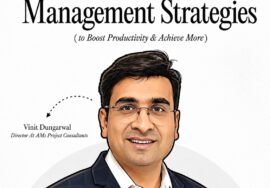
Project Management Best Practices for Business Success in 2026
Project Management Best Practices for Business Success in 2026
Project management best practices are essential for businesses in 2026 as organizations handle increasingly complex workflows, remote teams, digital transformation initiatives, and AI-driven operations. Modern project management is no longer limited to timelines and task tracking. Businesses now focus on collaboration, workflow automation, predictive analytics, and agile execution to improve efficiency and project success.
Companies that follow proven project management best practices can reduce delays, control costs, improve communication, and achieve better operational outcomes.
What Are Project Management Best Practices?
Project management best practices are proven methods, processes, and strategies used to improve project planning, execution, monitoring, and delivery. These practices help teams work more efficiently while reducing risks and operational challenges.
Project management best practices typically focus on:
- Clear planning
- Team collaboration
- Risk management
- Workflow automation
- Resource optimization
- Performance tracking
- Continuous improvement
Modern organizations increasingly combine traditional project management methods with AI-powered tools and agile workflows to improve productivity.
Why Project Management Best Practices Matter
Businesses today operate in fast-changing digital environments where poor project management can lead to missed deadlines, budget overruns, communication failures, and operational inefficiencies.
Benefits of using project management best practices include:
- Improved project visibility
- Better team collaboration
- Reduced operational risks
- Faster decision-making
- Increased productivity
- Better budget control
- Higher project success rates
Industry experts report that organizations adopting structured project management practices achieve significantly better business outcomes. (pmi.org)
Top Project Management Best Practices in 2026
Define Clear Project Goals
Every successful project begins with clear objectives and measurable outcomes.
Project goals should include:
- Project scope
- Timeline expectations
- Budget requirements
- Success metrics
- Stakeholder expectations
Clearly defined goals reduce confusion and improve alignment across teams.

Use Agile and Hybrid Workflows
Agile methodologies continue growing in popularity because they improve flexibility and collaboration.
Agile best practices include:
- Sprint planning
- Continuous feedback
- Incremental delivery
- Cross-functional teamwork
- Rapid problem-solving
Many businesses now use hybrid project management systems that combine agile flexibility with traditional structured planning.
Industry research shows hybrid execution models are becoming increasingly common across enterprise environments. (wrike.com)
Prioritize Communication and Collaboration
Strong communication is one of the most important project management best practices.
Modern collaboration systems help teams:
- Share updates in real time
- Manage workflows centrally
- Reduce communication gaps
- Improve remote collaboration
- Maintain project transparency
Businesses increasingly rely on cloud-based collaboration tools and async communication systems to improve productivity across distributed teams.
Implement Risk Management Strategies
Every project involves operational, financial, or technical risks.
Effective risk management includes:
- Early risk identification
- Risk assessment and prioritization
- Backup planning
- Continuous monitoring
- Crisis response preparation
AI-powered analytics tools now help businesses predict project risks before they impact workflows.
Use Project Management Software
Modern project management platforms improve visibility, scheduling, collaboration, and reporting.
Popular features include:
- Task management
- Workflow automation
- Gantt charts
- Resource tracking
- AI-powered analytics
- Reporting dashboards
Industry reports show that project management software is evolving into intelligent workflow systems rather than simple task trackers. (techradar.com)
Focus on Resource Management
Efficient resource allocation improves productivity and prevents employee burnout.
Resource management best practices include:
- Capacity planning
- Workload balancing
- Skill-based task assignments
- Budget monitoring
- Team availability tracking
Businesses increasingly use AI-powered resource forecasting systems to optimize operational efficiency.
Monitor Progress Continuously
Continuous project monitoring helps managers identify bottlenecks and delays early.
Important performance indicators include:
- Timeline progress
- Budget usage
- Task completion rates
- Team productivity
- Workflow efficiency
Real-time analytics dashboards improve decision-making and project visibility.
Encourage Team Accountability
Successful projects require accountability and ownership across teams.
Managers should:
- Define clear responsibilities
- Track deliverables
- Provide regular feedback
- Support team collaboration
- Recognize achievements
Strong accountability systems improve motivation and workflow consistency.
Embrace Workflow Automation
Automation is becoming one of the most important project management trends in 2026.
Automation can help businesses:
- Assign tasks automatically
- Generate reports
- Send reminders
- Manage approvals
- Track workflows
Research shows that workflow automation significantly improves productivity and reduces administrative work. (stonebranch.com)
Improve Documentation Practices
Proper documentation improves communication, transparency, and operational continuity.
Businesses should document:
- Project plans
- Workflow processes
- Meeting notes
- Risk assessments
- Performance reports
Centralized documentation systems improve knowledge sharing and reduce confusion.
Invest in Employee Training
Project management tools and methodologies evolve quickly. Continuous learning is essential for maintaining productivity and adaptability.
Training areas should include:
- Agile methodologies
- AI-powered tools
- Collaboration systems
- Workflow management
- Leadership skills
Organizations investing in employee development often achieve stronger project outcomes.
Common Project Management Challenges
Scope Creep
Uncontrolled changes to project requirements can increase costs and delays.
Poor Communication
Fragmented communication systems often reduce collaboration and productivity.
Tool Overload
Using too many disconnected platforms creates operational complexity.
Resource Constraints
Limited budgets, staffing shortages, and overloaded teams can impact project success.
Resistance to Change
Employees may hesitate to adopt new workflows, technologies, or automation systems.
Businesses must balance technology, communication, and leadership to overcome these challenges effectively.
AI and Project Management in 2026
Artificial Intelligence is transforming project management by improving forecasting, automation, and workflow optimization.
AI-powered project management systems can:
- Predict delays
- Optimize scheduling
- Analyze productivity
- Forecast risks
- Generate reports automatically
Industry experts suggest that AI is increasingly functioning as an operational support layer within modern project management systems. (techradar.com)
Best Tools Supporting Project Management Best Practices
Popular project management tools in 2026 include:
- ClickUp
- Asana
- Monday.com
- Jira
- Notion AI
- Microsoft Planner and Teams
These platforms combine collaboration, automation, reporting, and workflow management into centralized ecosystems.
Businesses looking for workflow optimization and operational support can explore services offered by AMS India for modern business management solutions.
For professional consultation and workflow support, visit AMS India Contact Us.
Future of Project Management Best Practices
The future of project management will focus on:
- AI-powered execution systems
- Predictive analytics
- Intelligent workflow automation
- Hybrid collaboration models
- Data-driven decision-making
Organizations adopting modern project management best practices will improve operational agility, productivity, and long-term business growth.
Conclusion
Project management best practices are essential for businesses navigating the fast-changing digital environment of 2026. Organizations using agile workflows, AI-powered tools, workflow automation, and strong collaboration systems can improve project outcomes and operational efficiency.
As project complexity continues increasing, businesses must combine technology, leadership, and strategic planning to achieve sustainable success in modern project management.
Need help implementing automation in your projects? Connect with experts here:
https://amsindia.co.in/contact-us/
Read more related articles to enhance your knowledge and make informed decisions
Cost-Effective Modular Construction: Fast, and Sustainable Building Solutions
Smart Modular Buildings: Innovative, Efficient, and Sustainable Construction