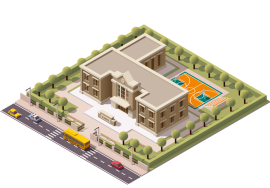
Sustainable Architecture Trends in 2026: The Future of Green Design
Sustainable Architecture Trends in 2026: The Future of Green Design
Sustainable architecture trends in 2026 are transforming the global construction and design industry as architects, developers, and governments focus on environmentally responsible infrastructure. Modern architecture now combines energy efficiency, smart technology, renewable energy systems, and eco-friendly materials to create buildings that reduce environmental impact while improving functionality and occupant well-being.
As climate concerns and urbanization continue increasing worldwide, sustainable architecture is becoming a key part of future-ready cities and green infrastructure development.
What Is Sustainable Architecture?
Sustainable architecture is a design approach that focuses on reducing environmental impact while improving energy efficiency, resource management, and long-term building performance.
Sustainable architecture emphasizes:
- Energy-efficient design
- Eco-friendly construction materials
- Renewable energy integration
- Water conservation
- Indoor environmental quality
- Smart building technologies
- Low-carbon infrastructure
Industry experts report that sustainable architecture is becoming essential for modern urban planning and climate-resilient infrastructure. (worldgbc.org)
Why Sustainable Architecture Matters in 2026
Buildings contribute significantly to global energy consumption and carbon emissions. Sustainable architecture helps reduce operational costs, improve environmental performance, and support long-term sustainability goals.
Benefits of sustainable architecture include:
- Reduced energy consumption
- Lower carbon emissions
- Improved indoor comfort
- Better air quality
- Reduced operational costs
- Higher property value
- Long-term environmental sustainability
Research shows sustainable infrastructure is becoming a major priority for governments and businesses worldwide. (unep.org)
Top Sustainable Architecture Trends in 2026
Net Zero Building Design
Net zero architecture is one of the biggest trends in sustainable construction.
Net zero buildings are designed to generate as much energy as they consume using:
- Solar energy systems
- Smart HVAC systems
- Advanced insulation
- Energy-efficient lighting
- Smart automation technologies
Industry reports show growing investment in net zero and carbon-neutral infrastructure worldwide. (worldgbc.org)

Biophilic Architecture
Biophilic design integrates natural elements into building environments to improve wellness and sustainability.
Popular biophilic features include:
- Indoor gardens
- Green walls
- Natural ventilation
- Daylight optimization
- Open green spaces
Research suggests biophilic architecture improves productivity, mental well-being, and environmental quality. (forbes.com)
Smart Green Buildings
AI and IoT technologies are making buildings more intelligent and energy efficient.
Smart building technologies include:
- Automated lighting systems
- AI-powered climate control
- Occupancy sensors
- Smart energy monitoring
- Predictive maintenance systems
These technologies improve operational efficiency and reduce environmental impact.
Eco-Friendly Construction Materials
Sustainable architecture increasingly uses environmentally responsible materials.
Popular sustainable materials include:
- Engineered timber
- Recycled steel
- Low-carbon concrete
- Bamboo
- Recycled insulation products
These materials help reduce embodied carbon emissions and improve building sustainability.
AI and Technology in Sustainable Architecture
AI-Powered Building Management
Artificial Intelligence is becoming central to sustainable building operations.
AI systems help businesses:
- Optimize energy usage
- Predict maintenance needs
- Improve indoor climate control
- Reduce operational waste
- Monitor sustainability performance
Industry experts report that AI-driven smart infrastructure will continue expanding rapidly. (mckinsey.com)
Building Information Modeling (BIM)
BIM technology supports sustainable design through digital planning and resource optimization.
Benefits of BIM include:
- Better energy analysis
- Reduced material waste
- Improved collaboration
- Accurate project visualization
- Sustainable lifecycle planning
BIM improves efficiency throughout the construction process.
3D Printing in Sustainable Architecture
3D printing is increasingly used to reduce waste and improve construction efficiency.
Benefits include:
- Faster construction timelines
- Reduced material usage
- Lower labor requirements
- Custom sustainable designs
3D printing supports eco-friendly and cost-effective infrastructure development.
Renewable Energy Integration
Modern sustainable buildings increasingly integrate renewable energy systems into architectural design.
Popular renewable solutions include:
- Solar panels
- Solar roof tiles
- Geothermal heating systems
- Wind energy integration
- Smart energy storage systems
Renewable energy improves sustainability and supports net zero building goals.
Water Conservation and Sustainability
Water-efficient architecture is becoming increasingly important in green infrastructure projects.
Sustainable water management systems include:
- Rainwater harvesting
- Greywater recycling
- Smart irrigation systems
- Water-efficient plumbing fixtures
These technologies help conserve resources and reduce operational costs.
Sustainable Architecture in India
India is rapidly adopting sustainable architecture through smart city and green infrastructure initiatives.
Major trends in India include:
- Green commercial buildings
- Sustainable housing projects
- Renewable energy integration
- Smart city infrastructure
- Climate-resilient urban development
For Indian green building standards and certification programs, visit Indian Green Building Council.
Government digital and sustainability initiatives continue supporting eco-friendly urban development. Learn more at Digital India.
Challenges of Sustainable Architecture
Higher Initial Costs
Sustainable technologies and green materials often involve larger upfront investments.
Skilled Workforce Requirements
Green building systems require trained professionals and specialized expertise.
Technology Integration Complexity
Combining multiple smart systems into one building ecosystem can be challenging.
Evolving Sustainability Regulations
Environmental standards and compliance requirements continue changing globally.
Despite these challenges, sustainable architecture demand continues growing rapidly because of environmental awareness and operational benefits.
Best Practices for Sustainable Architecture
Prioritize Passive Design
Natural ventilation and daylight optimization improve efficiency and reduce energy demand.
Use Smart Building Systems
AI and IoT technologies improve operational performance and sustainability.
Integrate Renewable Energy Early
Renewable systems should be included during the design phase.
Select Sustainable Materials
Eco-friendly materials reduce environmental impact and improve lifecycle performance.
Focus on Long-Term Sustainability
Buildings should be designed for long-term operational efficiency and environmental resilience.
Businesses looking for workflow optimization and operational support can explore services offered by AMS India for modern business management solutions.
For professional consultation and workflow support, visit AMS India Contact Us.
Future of Sustainable Architecture
The future of sustainable architecture will focus on:
- Carbon-neutral buildings
- AI-powered smart cities
- Autonomous building systems
- Climate-resilient infrastructure
- Intelligent sustainability analytics
Industry experts predict sustainable architecture will become the global standard for future infrastructure and urban development projects.
Conclusion
Sustainable architecture trends in 2026 are reshaping the future of construction through smart technologies, renewable energy systems, eco-friendly materials, and AI-powered building management. Organizations adopting sustainable architectural practices can improve efficiency, reduce environmental impact, and support long-term sustainability goals.
As climate awareness and green regulations continue increasing, sustainable architecture will remain one of the most important drivers of innovation in the global construction industry.
Conclusion
Project automation is a game-changer for modern organizations. It reduces manual work, improves accuracy, and enhances productivity.
By adopting the right tools and strategies, businesses can streamline project workflows and achieve better outcomes.
Need help implementing automation in your projects? Connect with experts here:
https://amsindia.co.in/contact-us/
Read more related articles to enhance your knowledge and make informed decisions
Cost-Effective Modular Construction: Fast, and Sustainable Building Solutions
Smart Modular Buildings: Innovative, Efficient, and Sustainable Construction