LEED Certified Buildings: The Future of Sustainable Construction in 2026
LEED Certified Buildings: The Future of Sustainable Construction in 2026
LEED certified buildings are becoming a global standard for sustainable construction and eco-friendly infrastructure. As businesses and governments focus on reducing environmental impact, LEED certification has emerged as a key benchmark for energy efficiency, green building practices, and sustainable urban development.
In 2026, the demand for LEED certified buildings continues to rise due to increasing awareness about climate change, energy conservation, and healthy indoor environments. From commercial offices to residential complexes, developers are adopting green building standards to create environmentally responsible spaces.
What Are LEED Certified Buildings?
LEED (Leadership in Energy and Environmental Design) is an internationally recognized green building certification system developed by the U.S. Green Building Council. LEED certification evaluates buildings based on sustainability, energy efficiency, water conservation, indoor air quality, and environmental performance.
LEED certified buildings are designed to reduce resource consumption while improving occupant comfort and operational efficiency.
Importance of LEED Certified Buildings
Energy Efficiency
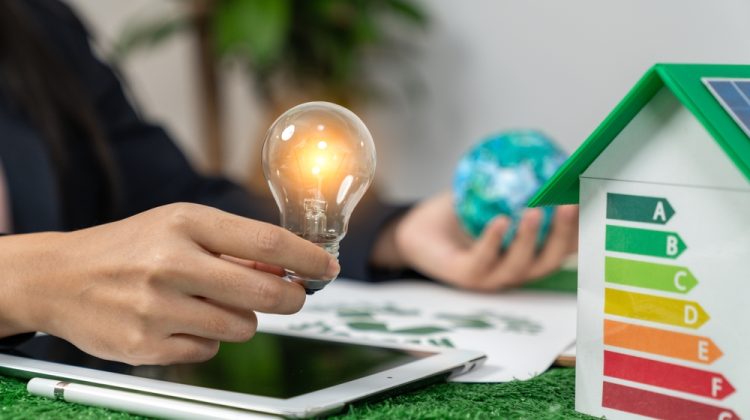
LEED buildings use energy-efficient systems such as LED lighting, smart HVAC systems, and renewable energy sources to reduce electricity consumption.
Water Conservation
Green buildings include rainwater harvesting systems, low-flow fixtures, and water recycling technologies to minimize water wastage.
Reduced Carbon Footprint
Sustainable construction materials and energy-saving technologies help reduce greenhouse gas emissions.
Healthier Indoor Environment
LEED buildings improve indoor air quality by using non-toxic materials, natural ventilation, and better lighting systems.
LEED Certification Levels
LEED buildings are awarded points based on sustainability performance. Depending on the number of points earned, buildings receive different certification levels.
Certified
Basic level of green building compliance with essential sustainability features.
Silver
Improved energy efficiency and environmental performance.
Gold
Advanced sustainable construction practices with high resource efficiency.
Platinum
The highest level of LEED certification with exceptional environmental and energy performance.
Key Features of LEED Certified Buildings
Sustainable Site Development
LEED projects prioritize environmentally responsible site selection and minimize ecological disruption.
Energy and Atmosphere Optimization
Buildings are designed to maximize energy efficiency through renewable energy integration and smart energy systems.
Eco-Friendly Materials
Developers use recycled, low-emission, and locally sourced materials to reduce environmental impact.
Indoor Environmental Quality
Green buildings focus on natural lighting, air purification, and occupant well-being.
Benefits of LEED Buildings
Lower Operational Costs
Energy-efficient systems significantly reduce electricity and water bills over time.
Higher Property Value
LEED buildings often have better resale value and attract environmentally conscious buyers and tenants.
Increased Market Competitiveness
Businesses operating in green buildings enhance their brand image and sustainability reputation.
Government Incentives
Many governments offer tax benefits and incentives for sustainable construction projects.
LEED Certified Buildings in India
India has become one of the leading countries adopting green building practices. Commercial offices, IT parks, hospitals, educational institutions, and residential projects are increasingly seeking LEED certification.
The Indian Green Building Council (IGBC) actively promotes sustainable construction and green building standards across the country.
With rapid urbanization and environmental concerns, LEED buildings are playing a vital role in India’s sustainable infrastructure development.
Challenges in LEED Certification
High Initial Investment
Green technologies and sustainable materials may increase upfront construction costs.
Complex Documentation
LEED certification requires detailed documentation and compliance with multiple sustainability standards.
Skilled Expertise Requirement
Successful implementation often requires experienced architects, engineers, and sustainability consultants.
Future Trends in LEED Buildings
Smart Building Technologies
IoT-enabled automation systems and AI-driven energy management are becoming common in LEED projects.
Net-Zero Energy Buildings
Future green buildings aim to produce as much energy as they consume through renewable energy systems.
Sustainable Urban Development
Smart cities and eco-friendly infrastructure projects are driving demand for LEED certified buildings worldwide.
Green Construction Materials
Innovative materials such as recycled steel, low-carbon concrete, and bamboo-based products are gaining popularity.
Why Businesses Should Invest in LEED Certified Buildings
Businesses investing in LEED certified buildings benefit from lower operating costs, improved employee productivity, and stronger sustainability branding. Green buildings also help organizations meet ESG (Environmental, Social, and Governance) goals and comply with evolving environmental regulations.
Companies planning sustainable infrastructure projects can consult industry experts through AMS India Contact Page for professional guidance and project support.
Conclusion
LEED certified buildings are shaping the future of sustainable construction in 2026. With growing emphasis on energy efficiency, environmental responsibility, and smart urban development, green buildings have become essential for modern infrastructure.
From reducing carbon emissions to improving indoor environmental quality, LEED certification offers long-term economic and environmental benefits. As sustainability continues to influence the construction industry, LEED certified buildings will remain a key driver of eco-friendly development and resilient urban growth.
Conclusion
Project automation is a game-changer for modern organizations. It reduces manual work, improves accuracy, and enhances productivity.
By adopting the right tools and strategies, businesses can streamline project workflows and achieve better outcomes.
Need help implementing automation in your projects? Connect with experts here:
https://amsindia.co.in/contact-us/
Read more related articles to enhance your knowledge and make informed decisions
Cost-Effective Modular Construction: Fast, and Sustainable Building Solutions
Smart Modular Buildings: Innovative, Efficient, and Sustainable Construction