Sustainable Urban Development: Building Smarter and Greener Cities in 2026
Sustainable Urban Development: Building Smarter and Greener Cities in 2026
Sustainable urban development is becoming a key focus for cities worldwide as populations continue to grow and environmental concerns increase. In 2026, governments, urban planners, and construction companies are prioritizing eco-friendly infrastructure, smart city technologies, and resource-efficient urban planning to create sustainable and resilient communities.
Rapid urbanization has increased the demand for housing, transportation, energy, and public services. Sustainable development aims to meet these needs while minimizing environmental impact and improving the quality of life for future generations.
What is Sustainable Urban Development?
Sustainable development refers to the planning and development of cities in a way that balances economic growth, environmental protection, and social well-being. It focuses on creating energy-efficient, environmentally responsible, and inclusive urban spaces.
This approach includes:
- Green buildings
- Renewable energy integration
- Sustainable transportation systems
- Waste management solutions
- Water conservation infrastructure
- Smart city technologies
The goal is to build cities that are environmentally sustainable, economically strong, and socially inclusive.
Importance of Sustainable Development
Reducing Environmental Impact
Urban areas contribute significantly to carbon emissions and pollution. Sustainable development helps reduce greenhouse gas emissions through renewable energy and green infrastructure.
Improving Quality of Life
Sustainable cities offer better air quality, efficient public transport, green spaces, and improved healthcare and sanitation facilities.
Resource Conservation
Efficient management of water, energy, and land resources ensures long-term urban sustainability.
Supporting Economic Growth
Smart infrastructure and sustainable industries create jobs, attract investments, and improve economic resilience.
Key Features of Sustainable Urban Development
Smart City Infrastructure
Smart technologies such as IoT sensors, AI-based traffic systems, and digital energy management improve urban efficiency and sustainability.
Green Buildings
Energy-efficient and eco-friendly buildings reduce resource consumption and operational costs.
Sustainable Transportation
Electric vehicles, metro systems, bicycle lanes, and pedestrian-friendly infrastructure help reduce traffic congestion and pollution.
Renewable Energy Systems
Solar panels, wind energy, and smart grids support clean energy generation and distribution.
Waste Management and Recycling
Efficient waste segregation, recycling systems, and waste-to-energy plants reduce landfill dependency.
Benefits of Sustainable Urban Development
Lower Carbon Emissions
Green infrastructure and clean energy systems significantly reduce environmental pollution.
Enhanced Public Health
Cleaner air, green spaces, and improved sanitation contribute to healthier living conditions.
Better Infrastructure Efficiency
Smart urban systems improve transportation, water supply, energy usage, and public services.
Increased Property and Investment Value
Sustainable urban areas attract investors, businesses, and residents seeking modern and eco-friendly living environments.
Sustainable Urban Development in India
India is rapidly embracing sustainable urban development through initiatives such as smart cities, renewable energy projects, and green infrastructure programs.
The Smart Cities Mission India is helping transform urban areas through technology-driven and sustainable infrastructure solutions.
Additionally, organizations like the Indian Green Building Council (IGBC) promote sustainable construction and environmentally responsible urban planning across the country.
With growing urban populations, sustainable development has become essential for managing infrastructure demands and environmental challenges in Indian cities.
Challenges in Sustainable Urban Development
Rapid Population Growth
Increasing urban populations put pressure on housing, transportation, and public services.
High Infrastructure Costs
Developing sustainable infrastructure often requires significant investment and long-term planning.
Environmental Degradation
Pollution, deforestation, and water scarcity continue to challenge urban sustainability efforts.
Lack of Public Awareness
Public participation and awareness are essential for successful implementation of sustainable urban practices.
Future Trends in Sustainable Urban Development
Net-Zero Cities
Future cities aim to achieve carbon neutrality through renewable energy and sustainable infrastructure.
AI-Powered Urban Management
Artificial intelligence will improve traffic control, waste management, energy optimization, and public safety.
Green Mobility Solutions
Electric public transportation and autonomous mobility systems will reduce pollution and improve urban connectivity.
Climate-Resilient Infrastructure
Cities are increasingly designing infrastructure to withstand climate-related challenges such as floods and extreme weather events.
Why Sustainable Urban Development Matters
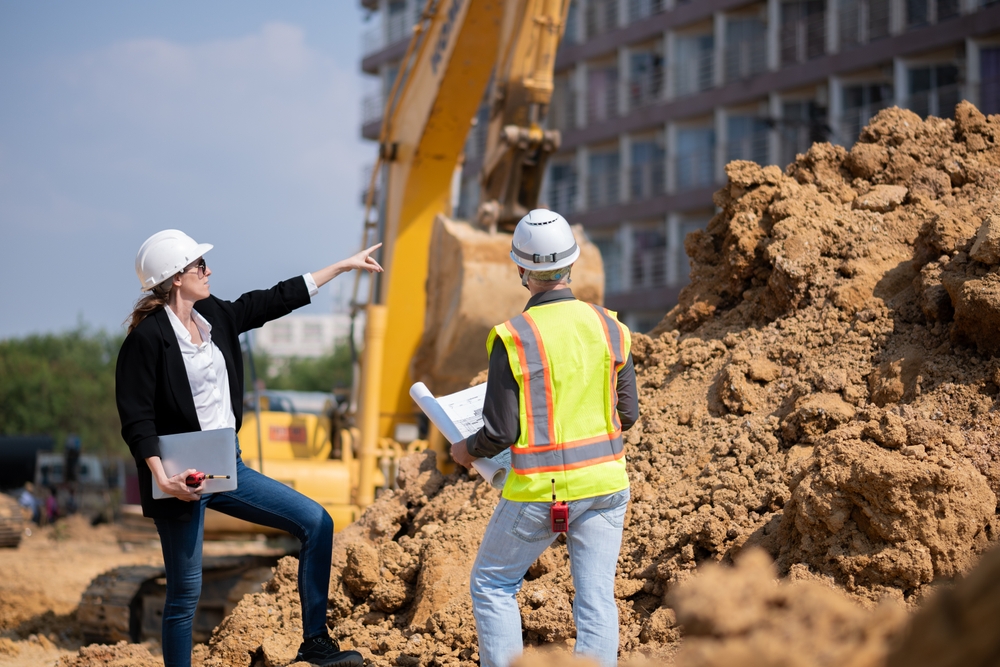
Sustainable urban development is essential for creating resilient, environmentally responsible, and economically stable cities. It helps reduce environmental impact while improving living standards and supporting long-term economic growth.
Businesses and developers investing in sustainable infrastructure can enhance operational efficiency, strengthen ESG (Environmental, Social, and Governance) goals, and contribute to greener urban environments.
Organizations looking for sustainable infrastructure solutions and professional project support can connect through AMS India Contact Page.
Conclusion
Sustainable urban development is shaping the future of cities in 2026. Through smart infrastructure, renewable energy, eco-friendly transportation, and green building practices, cities can achieve long-term sustainability and improved quality of life.
As governments and industries continue investing in sustainable urban planning, the focus on greener and smarter cities will play a major role in addressing environmental challenges and supporting future urban growth.
Conclusion
Project automation is a game-changer for modern organizations. It reduces manual work, improves accuracy, and enhances productivity.
By adopting the right tools and strategies, businesses can streamline project workflows and achieve better outcomes.
Need help implementing automation in your projects? Connect with experts here:
https://amsindia.co.in/contact-us/
Read more related articles to enhance your knowledge and make informed decisions
Cost-Effective Modular Construction: Fast, and Sustainable Building Solutions
Smart Modular Buildings: Innovative, Efficient, and Sustainable Construction