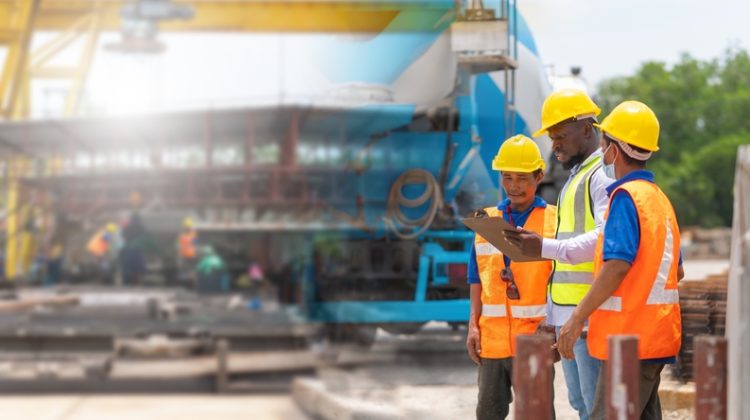
Climate Resilient Construction: Building Stronger and Safer Infrastructure in 2026
Climate Resilient Construction: Building Stronger and Safer Infrastructure in 2026
Climate resilient construction is becoming a critical focus in the global construction industry as extreme weather events, rising temperatures, floods, and natural disasters continue to impact infrastructure worldwide. In 2026, developers, governments, and businesses are prioritizing resilient building practices to create infrastructure capable of withstanding climate-related challenges while supporting sustainable development.
From flood-resistant buildings to energy-efficient urban infrastructure, climate construction combines sustainability, advanced engineering, and smart technologies to improve durability and long-term performance.
What is Climate Construction?
Climate construction refers to the design, construction, and maintenance of buildings and infrastructure that can adapt to and withstand the impacts of climate change and extreme weather conditions.
This approach focuses on:
- Disaster-resistant building design
- Sustainable construction materials
- Flood and heat protection systems
- Energy-efficient infrastructure
- Water conservation and drainage solutions
- Smart climate monitoring technologies
The goal is to reduce environmental risks, improve safety, and ensure long-term infrastructure reliability.
Importance of Climate Construction
Protection Against Extreme Weather
Climate resilient buildings are designed to withstand floods, storms, heatwaves, earthquakes, and other climate-related disasters.
Reducing Economic Losses
Strong and durable infrastructure reduces repair costs and economic disruption caused by natural disasters.
Supporting Sustainable Development
Climate resilience helps cities and communities adapt to environmental changes while minimizing ecological impact.
Improving Public Safety
Resilient construction enhances the safety and well-being of occupants during extreme climate events.
Key Features of Climate Construction
Disaster-Resistant Building Design
Buildings are engineered to withstand environmental stresses through reinforced structures and advanced safety systems.
Sustainable Construction Materials
Low-carbon concrete, recycled steel, moisture-resistant materials, and eco-friendly insulation improve durability and sustainability.
Efficient Water Management Systems
Rainwater harvesting, flood barriers, and sustainable drainage systems help manage water-related risks.
Energy-Efficient Infrastructure
Smart energy systems and renewable energy integration improve resilience during power disruptions and extreme weather conditions.
Smart Monitoring Technologies
IoT sensors and AI-based systems monitor building performance and climate risks in real time.
Benefits of Climate Construction
Increased Infrastructure Durability
Climate resilient structures require less maintenance and offer longer operational life.
Lower Long-Term Costs
Although initial investment may be higher, resilient buildings reduce disaster recovery and repair expenses.
Reduced Environmental Impact
Sustainable materials and energy-efficient systems help lower carbon emissions.
Enhanced Property Value
Climate-resilient properties are increasingly attractive to investors, businesses, and homeowners.
Climate Resilient Construction in India
India faces significant climate challenges including floods, heatwaves, cyclones, and water scarcity. As a result, climate resilient construction is becoming essential for infrastructure development across the country.
Government initiatives focused on smart cities, sustainable urban planning, and disaster-resistant infrastructure are driving growth in climate resilient construction projects.
Organizations like the Indian Green Building Council (IGBC) promote sustainable and resilient building practices across India.
Additionally, the National Disaster Management Authority (NDMA) provides guidelines for disaster-resistant infrastructure and climate adaptation strategies.
Technologies Supporting Climate Resilient Construction
Building Information Modeling (BIM)
BIM helps improve project planning, risk assessment, and resource management.
Artificial Intelligence (AI)
AI-based systems analyze climate risks and optimize building performance.
Renewable Energy Systems
Solar power, battery storage, and smart grids improve energy resilience.
Modular Construction
Prefabricated construction techniques improve efficiency and reduce construction waste.
Challenges in Climate Resilient Construction
Higher Initial Investment
Advanced materials and resilient technologies often involve greater upfront costs.
Regulatory Compliance
Meeting climate resilience and sustainability standards can be complex.
Limited Awareness
Some developers still underestimate the importance of climate-adaptive infrastructure.
Skilled Workforce Requirements
Resilient infrastructure projects require specialized expertise in engineering and sustainable construction.
Future Trends in Climate Resilient Construction
Net-Zero Resilient Buildings
Future projects will combine climate resilience with carbon-neutral and energy-efficient design.
Smart Climate-Adaptive Cities
Cities will increasingly integrate AI-powered infrastructure and renewable energy systems.
Advanced Sustainable Materials
Innovations in self-healing concrete, carbon-negative materials, and weather-resistant technologies are shaping future construction.
Resilient Urban Planning
Urban development strategies will prioritize flood protection, green spaces, and sustainable transportation systems.
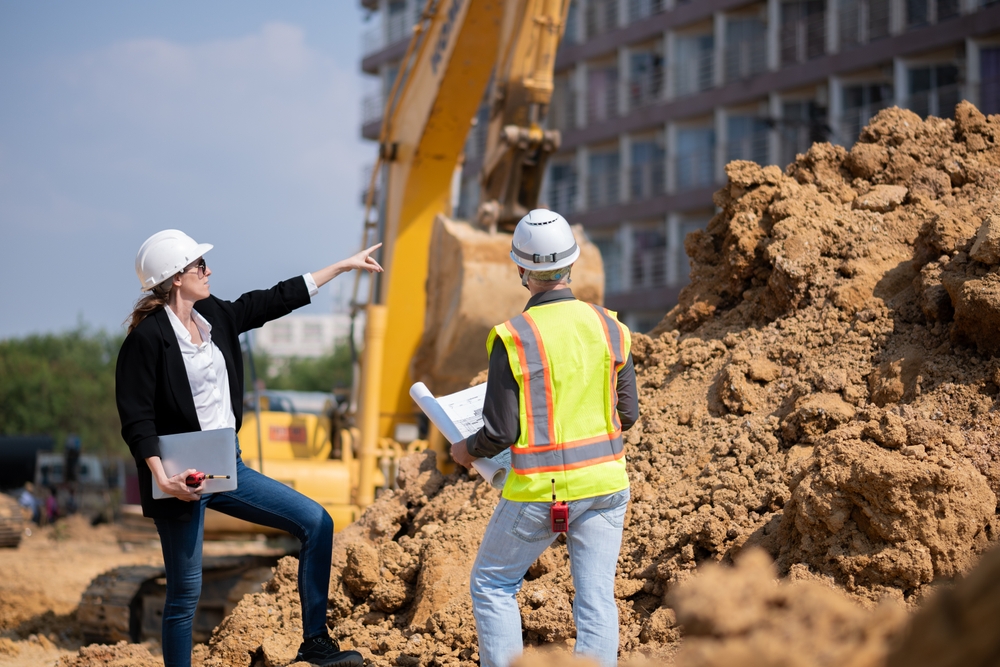
Why Businesses Should Invest in Climate Resilient Construction
Businesses investing in climate resilient construction can reduce long-term operational risks, improve sustainability performance, and strengthen infrastructure reliability. Resilient buildings also support ESG (Environmental, Social, and Governance) goals and enhance brand reputation.
Companies seeking professional guidance for sustainable and climate-resilient infrastructure projects can connect through AMS India Contact Page.
Conclusion
Climate resilient construction is shaping the future of sustainable infrastructure in 2026. By combining disaster-resistant engineering, renewable energy systems, and eco-friendly materials, the construction industry can create safer and more durable buildings.
As climate challenges continue to increase, climate resilient construction will play a vital role in protecting communities, reducing environmental impact, and supporting long-term economic and urban development.
Conclusion
Project automation is a game-changer for modern organizations. It reduces manual work, improves accuracy, and enhances productivity.
By adopting the right tools and strategies, businesses can streamline project workflows and achieve better outcomes.
Need help implementing automation in your projects? Connect with experts here:
https://amsindia.co.in/contact-us/
Read more related articles to enhance your knowledge and make informed decisions
Cost-Effective Modular Construction: Fast, and Sustainable Building Solutions
Smart Modular Buildings: Innovative, Efficient, and Sustainable Construction