
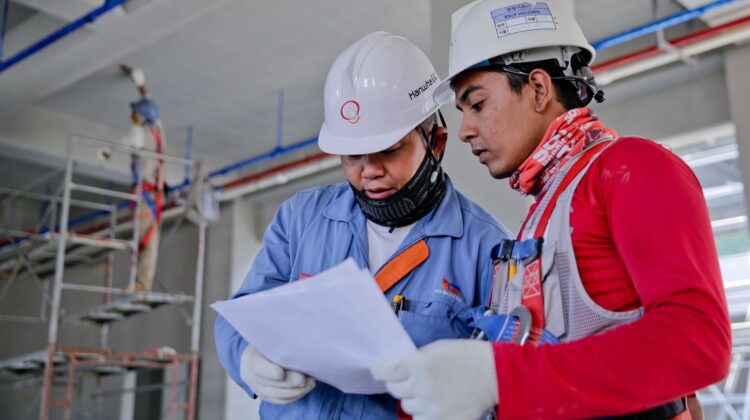
Effective Safety Management in Construction Projects for Successful Delivery
Construction Quality Control helps project owners plan, coordinate and control construction work with clearer responsibilities, better reporting and structured project delivery.
Useful reference: OSHA Construction Industry Guidance
Useful reference: PMI Construction Extension to the PMBOK Guide
Construction Quality Control: What Project Owners Should Know
Safety management in construction projects is a critical component for ensuring successful project delivery, especially in complex commercial, industrial, and institutional developments. Effective safety protocols protect workers, reduce risks, and help maintain compliance throughout the project lifecycle. At AMs Project Consultants Pvt. Ltd., we emphasize integrating safety management within comprehensive construction project management to support business owners, real estate developers, architects, and other stakeholders in achieving safe and timely project outcomes.
Safety management in construction projects requires proactive planning, coordination, and continuous monitoring from project initiation through handover. This article outlines practical strategies for embedding safety management into construction project management consultancy, focusing on commercial and industrial projects where risks and stakeholder coordination are particularly challenging.
Understanding Safety Management in Construction Projects
Safety management in construction projects involves systematic identification, evaluation, and mitigation of hazards on site. It aligns with quality control, compliance, and risk management to create a safe working environment. AMs integrates safety management with design management, procurement, MEP coordination, and construction audit to ensure all project phases address safety risks effectively.
Early involvement of safety experts during project planning helps identify potential hazards related to site conditions, equipment use, and construction methods. Safety protocols must be documented clearly in project execution plans and communicated to all contractors and subcontractors. Regular safety audits and inspections by AMs consultants ensure adherence to safety standards and enable timely corrective actions.
Key Components of Safety Management in Construction Projects
- Risk Assessment and Hazard Identification: Conduct detailed risk assessments during design and pre-construction phases to identify site-specific safety challenges.
- Safety Planning and Documentation: Develop comprehensive safety management plans integrated into the overall project management plan, including emergency response procedures.
- Training and Competency: Ensure all workers and supervisors receive appropriate safety training, including use of personal protective equipment (PPE) and safe work practices.
- Stakeholder Coordination: Coordinate between project owners, contractors, MEP teams, and safety officers to maintain consistent safety standards.
- Monitoring and Reporting: Implement regular site inspections, safety audits, and incident reporting mechanisms to track safety performance.
- Compliance and Legal Requirements: Align safety management with statutory regulations and industry standards, consulting qualified professionals for legal and compliance oversight.
Integrating Safety Management with Construction Project Delivery
In commercial and industrial projects, safety management must be embedded within construction project delivery processes. AMs emphasizes a phased approach:
- Planning Phase: Include safety risk analysis in project feasibility and design management. Procurement strategies should prioritize suppliers and contractors with strong safety records.
- Execution Phase: Coordinate construction management and MEP installation with ongoing safety monitoring. Use construction audits to verify safety compliance alongside quality checks.
- Handover Phase: Conduct final safety inspections and ensure all safety documentation is complete for client handover and operational readiness.
This integrated approach reduces delays caused by accidents, enhances workforce morale, and supports regulatory compliance.
Common Mistakes to Avoid in Safety Management
- Neglecting early safety planning and risk assessment.
- Insufficient training or unclear safety communication to workers.
- Poor coordination between contractors, MEP teams, and safety officers.
- Ignoring regular safety audits and incident follow-ups.
- Overlooking legal and statutory safety requirements.
When to Involve a Professional Project Management Consultant
Engaging a professional project management consultancy like AMs early in the project ensures that safety management is embedded within all project stages. AMs brings expertise in construction audit, cost management, design coordination, and MEP integration, which are vital for managing safety risks effectively. Project owners should consult AMs before finalizing project scope, procurement, and contractor selection to incorporate robust safety frameworks.
Practical Safety Management Checklist for Construction Projects
| Task | Responsible Party | Timing | Status |
|---|---|---|---|
| Conduct initial site risk assessment | Safety Officer, PMC | Pre-construction | Pending |
| Develop Safety Management Plan | Project Manager, Safety Officer | Planning phase | Pending |
| Safety training for all workers | Contractors, Safety Trainer | Pre-mobilization | Pending |
| Regular site safety inspections | Safety Officer | Weekly during construction | Ongoing |
| Incident reporting and investigation | Project Manager, Safety Officer | As needed | Ongoing |
| Final safety audit before handover | PMC, Safety Officer | Project closeout | Pending |
Planning vs Execution vs Handover: Safety Management Focus
During the planning phase, safety management focuses on risk identification, documentation, and training preparation. The execution phase requires vigilant monitoring, audits, and corrective actions. Finally, the handover phase ensures all safety documentation is complete and verified for operational safety compliance.
AMs Project Consultants Pvt. Ltd. supports clients through all these phases with tailored safety management strategies aligned with overall project management goals.
Conclusion
Effective safety management in construction projects is essential for successful project delivery, especially within commercial, industrial, and institutional sectors. Integrating safety with construction project management consultancy ensures risks are managed proactively, compliance is maintained, and project timelines are supported. Business owners and project stakeholders should prioritize early safety planning, continuous monitoring, and professional consultancy support like AMs to achieve safe, compliant, and efficient project outcomes.
For comprehensive construction project management solutions including safety management, quality control, MEP coordination, and construction audit, consult AMs Project Consultants Pvt. Ltd.
Frequently Asked Questions
What are the main risks addressed in safety management for construction projects?
Main risks include falls, equipment accidents, electrical hazards, fire, and exposure to harmful substances. Proper risk assessment and safety protocols mitigate these risks.
How does AMs integrate safety management with other project management services?
AMs coordinates safety with design management, procurement, MEP coordination, and construction audit to ensure a holistic approach to project delivery.
When should safety training be conducted during a construction project?
Safety training should occur before site mobilization and be refreshed regularly during the construction phase to maintain awareness.
What documentation is essential for safety management in construction?
Key documents include the Safety Management Plan, risk assessments, training records, incident reports, and audit findings.
How can project owners ensure contractor compliance with safety standards?
Through clear contractual safety requirements, regular site inspections, and involving professional consultants like AMs for monitoring and audits.
What are common mistakes in construction safety management?
Common mistakes are inadequate planning, poor communication, lack of training, and ignoring legal requirements.
Why is professional consultancy important for safety management?
Professional consultants provide expertise, structured processes, and independent audits that improve safety outcomes and reduce risks.
Integrating safety management with overall project management is key to delivering successful construction projects. For more insights on construction project management, visit Expert Project Management Services for Design and Build Construction and Effective Risk Assessment in Construction Project Planning for Successful Delivery.
In commercial and industrial projects, construction quality control is most useful when planning, coordination, cost control, quality checks and handover responsibilities are clearly documented from the start.