Building Compliance Services | Safety & Regulatory Audits
Building Compliance Services: Ensuring Safe and Legal Construction in 2026
In 2026, the construction and real estate industry is operating under stricter regulations, higher safety standards, and increased focus on sustainable infrastructure. To ensure buildings meet all legal and technical requirements, businesses and property owners are increasingly investing in building compliance services. These services help maintain safety, quality, operational efficiency, and regulatory adherence throughout the building lifecycle.
Building compliance services involve inspections, audits, documentation reviews, and technical assessments to verify whether a property complies with approved construction standards, safety regulations, and government guidelines. From residential buildings and commercial properties to industrial facilities and public infrastructure, compliance services play a critical role in modern construction management.
For professional building compliance consultation and inspection support, visit
AMS India Contact Us
What Are Building Compliance Services?
Building compliance services are professional evaluations conducted to ensure that buildings and construction projects comply with applicable laws, engineering standards, safety regulations, and environmental guidelines.
These services typically include:
- Safety inspections
- Structural assessments
- Regulatory audits
- Fire safety compliance
- Quality inspections
- Documentation verification
- Environmental compliance checks
- Occupancy certification support
The primary objective is to identify non-compliance issues early and ensure corrective actions are implemented effectively.

Importance of Building Compliance Services in 2026
Modern construction projects are more complex due to advanced technologies, sustainability goals, and strict legal regulations. Compliance services help organizations maintain better project control and avoid legal or operational risks.
Ensures Legal Compliance
Building compliance services verify that projects follow local building laws, municipal approvals, and regulatory standards.
Improves Occupant Safety
Compliance inspections help identify structural risks, fire hazards, and safety issues before they become serious problems.
Reduces Financial and Legal Risks
Non-compliance can result in penalties, project delays, or legal disputes. Regular compliance checks help reduce these risks.
Enhances Construction Quality
Compliance audits ensure that construction work meets approved engineering and quality standards.
Supports Sustainable Development
Environmental compliance evaluations help projects meet sustainability and green building requirements.
For official construction and urban development regulations in India, refer to
Ministry of Housing and Urban Affairs India
Types of Building Compliance Services
Different projects require specialized compliance services depending on building type and operational complexity.
Structural Compliance Audit
Structural audits evaluate building strength, stability, and engineering compliance.
Areas Covered
- Foundations
- Columns and beams
- Structural load capacity
- Concrete quality
- Steel reinforcement
Fire Safety Compliance
Fire safety inspections verify the effectiveness of fire protection systems and emergency response procedures.
Electrical and Mechanical Compliance
These inspections assess electrical systems, HVAC installations, machinery safety, and operational reliability.
Environmental Compliance Services
Environmental audits review waste management, energy efficiency, pollution control, and sustainability practices.
Occupancy and Legal Compliance
Compliance services verify permits, occupancy approvals, and legal documentation required for project completion.
Building Compliance Process
Professional compliance services follow a structured evaluation process.
Preliminary Assessment
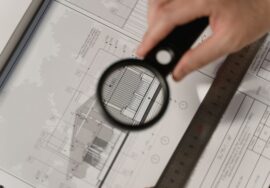
Auditors review project documentation, approvals, engineering drawings, and compliance requirements.
Site Inspection
Physical inspections are conducted to evaluate safety practices, construction quality, and operational systems.
Documentation Verification
Inspectors examine permits, inspection reports, maintenance records, and contractor documentation.
Risk Identification
Potential safety, structural, and legal compliance issues are identified and analyzed.
Compliance Reporting
A detailed report is prepared with findings, observations, and recommendations for corrective actions.
Technology Trends in Building Compliance Services 2026
Technology is improving the efficiency and accuracy of compliance management systems.
Smart Building Monitoring
IoT-enabled systems monitor safety conditions, energy performance, and environmental factors in real time.
AI-Powered Compliance Analysis
Artificial intelligence helps identify compliance gaps and predict potential risks.
Drone-Based Inspections
Drones improve inspection efficiency for high-rise buildings and large infrastructure projects.
Cloud-Based Documentation Systems
Digital platforms improve compliance tracking, reporting, and document management.
Benefits of Professional Building Compliance Services
Professional compliance services provide organizations with expert guidance and independent evaluations.
Key Benefits Include:
- Better legal compliance
- Improved occupant safety
- Enhanced project transparency
- Reduced operational risks
- Improved construction quality
- Faster approval processes
- Long-term infrastructure reliability
Organizations seeking trusted building compliance solutions can explore
AMS India Official Website
Best Practices for Effective Building Compliance Management
Conduct Regular Inspections
Frequent evaluations help maintain compliance and reduce long-term risks.
Maintain Proper Documentation
Accurate records simplify regulatory verification and approval processes.
Hire Qualified Compliance Professionals
Experienced auditors provide reliable assessments and technical expertise.
Implement Modern Technology
Digital systems improve reporting accuracy and compliance monitoring efficiency.
Focus on Safety and Sustainability
Strong safety and environmental practices support long-term building performance.
Conclusion
Building compliance services are essential for ensuring safety, quality, legal compliance, and operational efficiency in modern construction projects. In 2026, with increasing regulatory requirements and infrastructure complexity, professional compliance services help organizations reduce risks and improve project performance.
From structural inspections and fire safety evaluations to environmental audits and legal verification, building compliance services support successful project completion and long-term infrastructure reliability. Businesses and property owners that invest in regular compliance services can achieve higher construction standards, stronger stakeholder confidence, and sustainable operational success.
Read more related articles to enhance your knowledge and make informed decisions
Cost-Effective Modular Construction: Fast, and Sustainable Building Solutions
Smart Modular Buildings: Innovative, Efficient, and Sustainable Construction