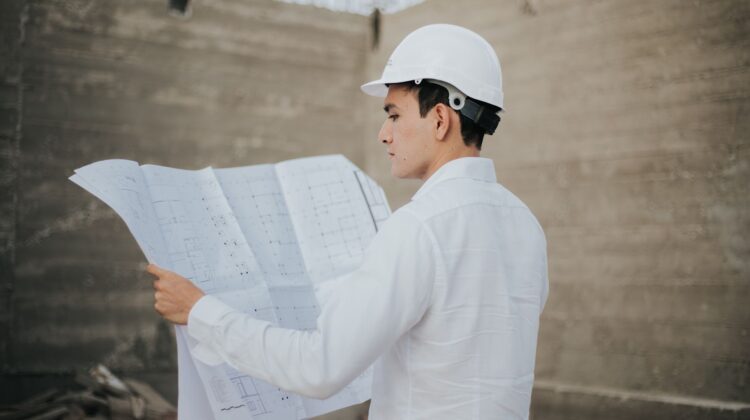
Effective Site Monitoring Strategies for Construction Project Success
Cost Management helps project owners plan, coordinate and control construction work with clearer responsibilities, better reporting and structured project delivery.
Useful reference: OSHA Construction Industry Guidance
Useful reference: PMI Construction Extension to the PMBOK Guide
Cost Management: What Project Owners Should Know
Site monitoring is a critical component in achieving operational excellence in construction project management. For business owners, real estate developers, architects, and other stakeholders, effective site monitoring ensures that project delivery aligns with quality, safety, cost, and timeline expectations. This article explores practical strategies tailored for commercial, industrial, and institutional projects, with insights drawn from professional construction project management consultancy experience.
At AMs Project Consultants Pvt. Ltd., we emphasize a comprehensive approach to site monitoring that integrates design management, construction audit, MEP coordination, procurement, and stakeholder coordination. Effective site monitoring is not just about supervision; it involves systematic planning, real-time tracking, risk mitigation, and quality control throughout the project lifecycle.
Site Monitoring: A Pillar of Construction Project Management
Site monitoring in construction project management involves continuous observation and evaluation of on-site activities to ensure compliance with design specifications, safety standards, and contractual obligations. This process supports decision-making by providing timely data on progress, resource utilization, and emerging risks.
Key elements include daily site inspections, quality checks, schedule adherence, and coordination between contractors, vendors, and consultants. For example, in a corporate office fit-out project, site monitoring would track the integration of MEP systems alongside structural work to prevent delays and cost overruns.
Planning and Execution: Integrating Site Monitoring
Before construction begins, project owners should verify that a detailed site monitoring plan is in place. This plan should outline scope, milestones, inspection protocols, and reporting mechanisms. During execution, site monitoring teams at AMs conduct regular audits and coordinate with procurement and design management to address discrepancies promptly.
Effective site monitoring also involves technology use, such as digital reporting tools and real-time dashboards, to enhance transparency and stakeholder communication.
Quality Control and Safety Compliance
Quality and safety are inseparable from site monitoring. AMs integrates quality control checklists and safety audits into site visits, ensuring that construction meets regulatory standards and client expectations. This proactive approach reduces risks associated with non-compliance and rework.
Cost and Risk Management Through Site Monitoring
Site monitoring supports cost management by identifying deviations from the budget early. Monitoring procurement timelines and material quality helps avoid costly delays and disputes. Risk management is enhanced by documenting site conditions and contractor performance, enabling informed adjustments to project plans.
Common Mistakes to Avoid in Site Monitoring
- Relying solely on visual inspections without proper documentation.
- Neglecting coordination between MEP, design, and procurement teams.
- Ignoring early signs of schedule slippage or quality issues.
- Inadequate stakeholder communication and reporting.
When to Involve a Professional Project Management Consultant
Complex projects with multiple contractors, tight timelines, or technical challenges benefit from professional site monitoring support. AMs offers end-to-end project cycle management, including construction audit and techno-commercial closeout, to ensure seamless project delivery.
Site Monitoring Checklist for Project Owners
| Checklist Item | Description |
|---|---|
| Design Compliance | Verify alignment with approved drawings and specifications |
| Quality Checks | Inspect materials and workmanship against standards |
| Safety Audits | Ensure adherence to safety protocols and PPE usage |
| Schedule Tracking | Monitor progress against milestones and adjust plans |
| Procurement Status | Confirm timely delivery of materials and equipment |
| Stakeholder Coordination | Facilitate communication between contractors, consultants, and clients |
Comparing Site Monitoring Approaches
Traditional site monitoring relies heavily on manual inspections and paper-based reports, which can delay issue identification. Modern approaches leverage digital tools, real-time data capture, and integrated reporting platforms. AMs combines these methods with expert consultancy to tailor monitoring strategies to project complexity and client needs.
Choosing the right approach depends on project size, risk profile, and stakeholder expectations. For large industrial or built-to-suit projects, comprehensive digital monitoring paired with periodic audits offers the best balance of control and flexibility.
Conclusion
Effective site monitoring is vital for construction project success, enabling operational excellence through quality control, safety compliance, cost management, and risk mitigation. AMs Project Consultants Pvt. Ltd. provides expert consultancy and integrated site monitoring strategies that support seamless project delivery across commercial, industrial, institutional, and warehousing sectors.
By adopting structured site monitoring plans, leveraging technology, and involving professional project management consultants at critical stages, project owners can enhance transparency, reduce risks, and achieve better outcomes.
For more insights on construction project management and related services, explore Achieving Construction Excellence Through Expert Project Management and Achieving Safety Excellence in Construction Project Management.
FAQs on Site Monitoring
What are the key components of effective site monitoring?
Key components include regular inspections, quality and safety audits, schedule tracking, procurement coordination, and detailed reporting.
How does site monitoring impact project cost management?
Site monitoring helps identify cost deviations early, ensures timely procurement, and reduces rework, supporting better budget control.
When should a project owner engage a professional consultant for site monitoring?
Engage consultants for complex projects, tight schedules, or when specialized expertise in construction audit and coordination is needed.
What technologies enhance site monitoring effectiveness?
Digital reporting tools, real-time dashboards, mobile inspection apps, and integrated project management platforms improve monitoring accuracy and communication.
How does site monitoring integrate with MEP coordination?
Site monitoring ensures MEP installations align with design and construction schedules, preventing clashes and delays.
What common mistakes should be avoided in site monitoring?
Avoid poor documentation, lack of coordination, ignoring early warning signs, and inadequate stakeholder communication.
How can site monitoring support project handover?
It ensures all quality and safety checks are complete, documentation is accurate, and punch lists are addressed before handover.