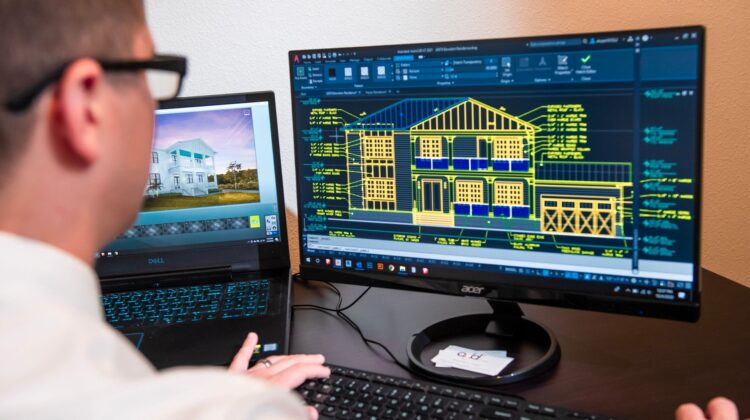
Effective Project Management Strategies for Commercial Construction Success
Cost Management helps project owners plan, coordinate and control construction work with clearer responsibilities, better reporting and structured project delivery.
Useful reference: OSHA Construction Industry Guidance
Useful reference: PMI Construction Extension to the PMBOK Guide
Cost Management: What Project Owners Should Know
Effective project management is essential to the success of commercial construction projects. It ensures that complex tasks such as design coordination, procurement, cost control, and stakeholder communication are handled systematically throughout the project lifecycle. For business owners, real estate developers, architects, and other construction stakeholders, understanding these strategies can help align expectations and improve outcomes.
At AMs Project Consultants Pvt. Ltd., we emphasize a structured approach to construction project management that covers all phases from initial feasibility to final handover. This article explores key strategies that support project delivery excellence in commercial, industrial, institutional, and warehousing projects.
Understanding Construction Project Management
Construction project management involves planning, coordinating, and controlling resources to meet project objectives on time and within budget. At AMs, this means integrating design management, MEP coordination, procurement, and quality assurance into a seamless process. Effective project management reduces risks, avoids delays, and ensures compliance with safety and statutory requirements.
Project Planning and Scheduling
Planning is the foundation of successful project delivery. It includes defining scope, timelines, budgets, and resource allocation. AMs uses detailed work breakdown structures and Gantt charts to visualize schedules. Early involvement of consultants ensures technical feasibility and design clarity, minimizing costly changes during execution.
Cost Management and Control
Cost management is crucial in commercial construction to avoid overruns. AMs employs rigorous cost tracking and budgeting techniques, including procurement monitoring and construction audit checkpoints. Transparent cost reporting helps project owners maintain financial control without compromising quality.
Design Coordination and MEP Integration
Coordinating architectural, structural, and MEP designs is vital to avoid conflicts during construction. AMs provides design management services that facilitate collaboration among consultants and contractors. MEP coordination ensures systems are integrated efficiently, reducing rework and delays.
Procurement and Contractor Management
Procurement involves selecting vendors and managing contracts to secure materials and services on time. AMs supports tendering, vendor evaluation, and contract administration, ensuring transparency and compliance. Regular contractor coordination meetings help monitor progress and address issues proactively.
Quality, Safety, and Compliance
Maintaining quality and safety standards protects investments and workers. AMs implements quality control protocols and safety audits tailored to project requirements. Compliance with local regulations and statutory approvals is closely monitored throughout the construction phase.
Stakeholder Coordination and Reporting
Effective communication among project owners, architects, contractors, and consultants is key. AMs facilitates stakeholder coordination through regular progress reports, site meetings, and issue resolution mechanisms. This transparency builds trust and supports timely decision-making.
Construction Project Management: Key Strategies for Success
To deliver commercial construction projects successfully, focus on these practical strategies:
- Early Feasibility and Risk Assessment: Engage professionals to assess technical and commercial viability before design finalization.
- Integrated Design and Build Approach: Coordinate design and construction teams early to streamline workflows.
- Robust Cost and Procurement Controls: Monitor budgets continuously and manage procurement with clear terms and schedules.
- Regular Quality and Safety Audits: Conduct inspections to ensure standards are met and risks mitigated.
- Transparent Stakeholder Communication: Maintain open channels for updates, approvals, and issue escalation.
- Phased Project Delivery and Closeout: Plan for systematic handover including documentation, commissioning, and post-construction support.
Common Mistakes to Avoid in Construction Project Management
- Underestimating design coordination complexity leading to rework.
- Inadequate procurement planning causing material delays.
- Poor cost tracking resulting in budget overruns.
- Neglecting safety and compliance checks risking legal issues.
- Insufficient stakeholder engagement causing misalignment.
When to Involve a Professional Project Management Consultant
Engaging a professional consultancy like AMs early in the project helps mitigate risks and optimize resource use. Consultants add value during design feasibility, procurement strategy, construction supervision, and audit stages. They provide impartial advice and technical expertise that complements internal teams.
What Project Owners Should Check Before Starting
- Clear project scope and objectives documented.
- Feasibility studies and risk assessments completed.
- Preliminary budget and funding arrangements secured.
- Design packages coordinated and reviewed.
- Procurement and contract strategies defined.
- Compliance and statutory approval pathways identified.
Planning vs Execution vs Handover: Managing Project Phases
Each phase requires focused management:
- Planning: Define scope, schedule, budget, and risk mitigation.
- Execution: Monitor construction progress, quality, safety, and costs.
- Handover: Complete documentation, commissioning, and closeout audits.
AMs ensures smooth transitions between these phases with detailed checklists and reporting tools.
| Phase | Key Activities | AMs Focus Areas |
|---|---|---|
| Planning | Scope definition, budgeting, scheduling | Technical feasibility, design management, cost planning |
| Execution | Construction supervision, quality checks, procurement | MEP coordination, contractor management, safety audits |
| Handover | Commissioning, documentation, snag resolution | Construction audit, compliance verification, closeout reporting |
Practical Checklist for Effective Project Management
- Confirm project scope and objectives with all stakeholders.
- Conduct technical feasibility and risk assessment.
- Develop detailed project schedule with milestones.
- Establish cost control and procurement plans.
- Coordinate design and MEP integration early.
- Implement quality and safety protocols onsite.
- Schedule regular stakeholder meetings and reporting.
- Plan for phased handover and documentation.
Following this checklist helps reduce surprises and keeps projects on track.
For more detailed guidance on cost control, see Effective Contract Management Strategies for Commercial Construction Projects. To understand procurement best practices in construction, visit Construction Audit Best Practices for Effective Project Management.
Frequently Asked Questions
What is the role of project management in commercial construction?
Project management coordinates all aspects of construction including design, procurement, execution, quality, and handover to ensure project objectives are met.
How does AMs support MEP coordination?
AMs facilitates collaboration between mechanical, electrical, and plumbing consultants and contractors to avoid conflicts and ensure smooth installation.
Why is construction audit important?
Construction audits verify compliance with quality, safety, and contractual requirements, helping identify issues early and control costs.
When should a project owner engage a project management consultant?
Ideally at project inception to assist with planning, feasibility, and risk management through to execution and handover.
What are common risks in commercial construction projects?
Risks include design changes, procurement delays, cost overruns, safety incidents, and regulatory non-compliance.
How can cost management improve project outcomes?
By monitoring budgets closely, controlling procurement, and conducting regular cost audits to prevent overruns and maintain financial discipline.
What documentation is essential for project handover?
As-built drawings, test reports, compliance certificates, warranties, and operation manuals are critical for a smooth handover.
Effective construction project management is a comprehensive discipline requiring technical knowledge, coordination skills, and proactive communication. AMs Project Consultants Pvt. Ltd. provides practical consultancy services that support commercial construction stakeholders throughout the project lifecycle. Applying these strategies will help you deliver projects that meet quality, cost, and schedule goals while managing risks responsibly.