
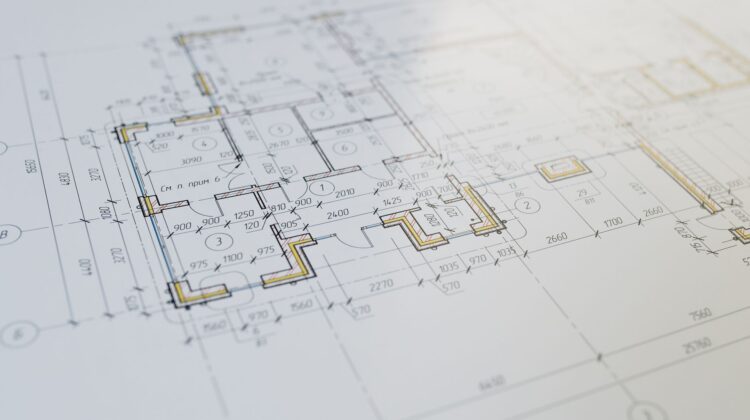
Effective Project Planning for Successful Commercial Construction Delivery
Construction Planning helps project owners plan, coordinate and control construction work with clearer responsibilities, better reporting and structured project delivery.
Useful reference: OSHA Construction Industry Guidance
Useful reference: PMI Construction Extension to the PMBOK Guide
Construction Planning: What Project Owners Should Know
Project planning is the cornerstone of successful commercial construction delivery. It sets the foundation for managing complex projects involving multiple stakeholders, tight schedules, and strict quality standards. For business owners, real estate developers, architects, and facility heads, understanding the nuances of project planning within construction project management consultancy is essential for smooth execution and timely handover.
Effective project planning in commercial construction involves detailed scheduling, cost management, procurement coordination, and quality assurance. AMs Project Consultants Pvt. Ltd. specializes in end-to-end project cycle management, ensuring that every stage from design to built-to-suit delivery is meticulously planned and executed. This article explores practical strategies for project planning, highlighting key decision points and best practices to reduce risks and enhance project delivery outcomes.
Project Planning in Construction Project Management Consultancy
Project planning in construction project management consultancy is a structured process that aligns technical feasibility, design management, procurement, and construction management. It requires a clear definition of project scope, timeline, budget, and stakeholder roles. AMs integrates MEP coordination, construction audit, and cost management from the outset to avoid delays and cost overruns.
One of the first steps is developing a comprehensive project schedule that includes design milestones, procurement lead times, construction phases, and quality checks. This schedule acts as a roadmap for all stakeholders and helps identify potential bottlenecks early. For example, timely MEP coordination reduces rework during construction, while procurement planning ensures materials arrive as needed without storage issues.
Key Components of Effective Project Planning
- Scope Definition: Clear project objectives and deliverables documented with all stakeholders.
- Design Management: Coordinating architectural, structural, and MEP designs to ensure technical feasibility.
- Cost Management: Establishing budgets and tracking expenses through cost control systems.
- Procurement Planning: Scheduling vendor selection, material ordering, and delivery timelines.
- Quality and Safety Planning: Setting standards and compliance checkpoints.
- Risk Management: Identifying potential risks and mitigation strategies.
- Stakeholder Coordination: Regular communication and reporting protocols.
Planning vs Execution vs Handover
Understanding the distinction between planning, execution, and handover phases is critical. Planning sets the framework and expectations. Execution involves managing contractors, quality, safety, and procurement on-site. Handover focuses on snagging, compliance documentation, and techno-commercial closeout. AMs assists clients throughout these phases ensuring continuity and accountability.
Common Mistakes to Avoid in Project Planning
- Inadequate scope definition leading to scope creep.
- Poor coordination between design and MEP teams causing rework.
- Ignoring procurement lead times resulting in delays.
- Lack of risk assessment and contingency planning.
- Insufficient quality and safety checks during construction.
- Weak stakeholder communication causing misalignment.
When to Involve a Professional Project Management Consultant
Engaging a professional project management consultant like AMs early in the project lifecycle is vital. They provide expertise in design coordination, cost management, procurement strategy, and construction audit that many project owners and corporate teams may lack. Early involvement helps identify technical feasibility issues and optimize resource allocation before execution begins.
What Project Owners Should Check Before Starting
- Confirm clear project scope and objectives.
- Review design completeness and integration of MEP systems.
- Ensure realistic budget estimates and cost control mechanisms.
- Verify procurement plans and vendor readiness.
- Assess risk management and safety protocols.
- Agree on reporting and stakeholder coordination methods.
Practical Project Planning Checklist for Commercial Construction
| Planning Element | Key Actions | Responsible Party | Timeline |
|---|---|---|---|
| Scope Definition | Document project goals and deliverables | Project Owner, PMC | Project Initiation |
| Design Coordination | Integrate architectural, structural, MEP designs | Design Manager, PMC | Pre-Construction |
| Cost Management | Set budget, establish cost tracking | Cost Manager, PMC | Planning Phase |
| Procurement Planning | Vendor selection, schedule orders | Procurement Team, PMC | Planning to Execution |
| Quality & Safety | Define standards, plan inspections | Quality & Safety Officer | Throughout Project |
| Risk Management | Identify risks, develop mitigation | PMC, Project Owner | Planning Phase |
| Stakeholder Coordination | Set communication protocols | Project Manager | Throughout Project |
Comparing Project Planning Approaches
Different projects may require tailored project planning approaches. For example, an institutional building may prioritize compliance and safety planning, while a warehouse built-to-suit project may focus heavily on procurement and MEP coordination. AMs adapts its consultancy services to align with project type, complexity, and client priorities, ensuring efficient project delivery.
For projects requiring strict cost control, integrating construction audit and cost management early can prevent budget overruns. For projects with complex MEP installations, detailed coordination reduces clashes and rework. This flexibility in planning methodology is a key reason why professional consultancy adds value beyond basic project management.
Conclusion
Effective project planning is indispensable for successful commercial construction delivery. It demands a comprehensive approach covering design management, cost control, procurement, quality, safety, and stakeholder coordination. AMs Project Consultants Pvt. Ltd. offers expert construction project management consultancy that guides clients through each phase, minimizing risks and enhancing project outcomes.
By avoiding common planning mistakes and involving professional consultants early, project owners can ensure smoother execution and timely handover. Whether managing corporate office fit-outs, industrial facilities, or institutional buildings, a well-structured project plan is the foundation for success.
For insights on managing cost and procurement efficiently, see Optimizing Construction Operations for Efficient Project Delivery. To learn more about quality and safety practices in construction projects, visit Effective MEP Management Strategies for Commercial Construction Projects.
Frequently Asked Questions
What are the key stages of project planning in commercial construction?
Project planning typically includes scope definition, design coordination, cost management, procurement planning, quality and safety planning, risk management, and stakeholder coordination.
How does MEP coordination impact project planning?
MEP coordination ensures that mechanical, electrical, and plumbing systems integrate seamlessly with architectural and structural designs, reducing rework and delays during construction.
When should I involve a project management consultant?
Consultants should be involved early in the project lifecycle to assist with technical feasibility, design management, cost control, and procurement planning for better project outcomes.
What common mistakes should be avoided in project planning?
Common mistakes include unclear scope, poor design coordination, ignoring procurement lead times, lack of risk assessment, and weak stakeholder communication.
How can construction audit support project planning?
Construction audit provides independent reviews of costs, quality, and compliance, helping to identify issues early and maintain project control.
What should project owners check before starting a commercial construction project?
Owners should verify scope clarity, design completeness, budget realism, procurement readiness, risk plans, and communication protocols.
How does project planning differ for built-to-suit projects?
Built-to-suit projects require close alignment of design, procurement, and construction with specific client requirements, often needing more detailed coordination and flexible planning.
In commercial and industrial projects, construction planning is most useful when planning, coordination, cost control, quality checks and handover responsibilities are clearly documented from the start.