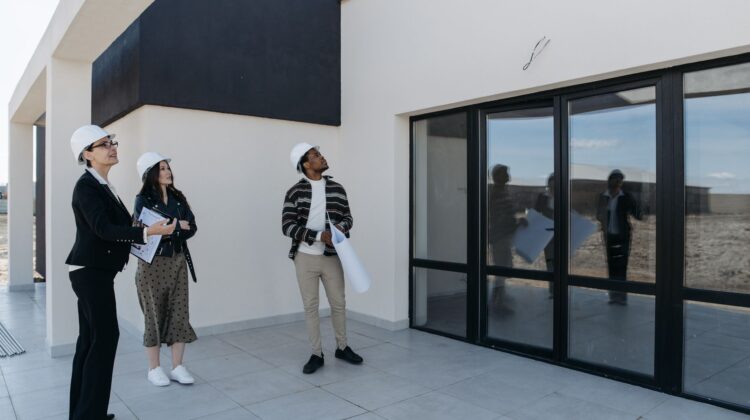
Effective Construction Project Management for Commercial Success
Effective construction project management is essential for delivering commercial projects on time, within budget, and to the required quality standards. At AMs Project Consultants Pvt. Ltd., we focus on comprehensive construction project management to support business owners, real estate developers, architects, and other stakeholders in navigating the complexities of commercial, industrial, and institutional construction projects.
Useful reference: OSHA Construction Industry Guidance
Useful reference: PMI Construction Extension to the PMBOK Guide
Construction project management involves coordinating multiple disciplines including design management, cost control, procurement, MEP coordination, quality assurance, and safety compliance. This article outlines key strategies and practical insights for successful project delivery, emphasizing the role of professional consultancy in achieving project objectives.
Understanding Construction Project Management in Commercial Construction
Construction project management is the structured process of planning, executing, monitoring, and closing construction projects. For commercial projects, this means managing the end-to-end project cycle from initial feasibility studies through design, procurement, construction, and handover. AMs specializes in providing consultancy services that cover design and build, cost management, construction audit, and built-to-suit projects tailored for commercial, industrial, and warehousing sectors.
Key phases include:
- Planning: Defining project scope, timelines, budgets, and stakeholder roles.
- Design Coordination: Aligning architectural, structural, and MEP designs to ensure constructability and compliance.
- Procurement: Managing material and contractor selection while maintaining cost control.
- Construction Management: Supervising site activities, quality checks, and safety protocols.
- Handover and Closeout: Conducting audits, snagging, and ensuring regulatory compliance.
Each phase requires clear documentation, risk management, and stakeholder communication to reduce delays and cost overruns.
Key Components of Effective Construction Project Management
Successful project delivery depends on integrating several core components:
- Cost Management: Tracking budgets, managing contingencies, and controlling expenditures through detailed cost reports and audits.
- MEP Coordination: Ensuring mechanical, electrical, and plumbing systems are designed and installed without conflicts, reducing rework.
- Quality and Safety Compliance: Implementing standards and regular inspections to meet statutory requirements and minimize risks.
- Stakeholder Coordination: Facilitating communication among owners, architects, contractors, and suppliers to resolve issues promptly.
- Technical Feasibility and Design Management: Assessing constructability and optimizing design solutions to align with project goals.
AMs leverages these components to provide a seamless project management experience, ensuring that commercial construction projects meet client expectations while maintaining regulatory compliance.
Planning vs Execution vs Handover: Managing Each Stage
The construction project lifecycle can be divided into three critical stages:
- Planning: Detailed project scheduling, risk assessment, and procurement planning. Early involvement of a project management consultant helps identify potential bottlenecks and technical challenges.
- Execution: On-site supervision, quality control, and progress reporting. AMs emphasizes regular construction audits and MEP coordination during this stage to maintain standards.
- Handover: Final inspections, snagging lists, and documentation for regulatory approvals. Proper closeout ensures smooth transition to operation and avoids costly post-completion issues.
Understanding the distinct requirements at each stage improves resource allocation and stakeholder engagement.
Common Mistakes to Avoid in Construction Project Management
Several pitfalls can jeopardize commercial construction projects. Avoid these common mistakes:
- Inadequate early-stage planning leading to scope creep and budget overruns.
- Poor coordination between design and construction teams causing delays and rework.
- Neglecting MEP integration resulting in clashes and installation issues.
- Insufficient quality and safety checks risking compliance failures and accidents.
- Delayed procurement decisions impacting material availability and costs.
Engaging a professional project management consultancy like AMs early can mitigate these risks through structured processes and expert oversight.
When to Involve a Professional Project Management Consultant
Project owners should consider involving a construction project management consultant in these scenarios:
- Complex commercial or industrial projects with multiple contractors and disciplines.
- Built-to-suit developments requiring customized design and construction coordination.
- Projects needing stringent cost management and construction audits.
- Situations where MEP coordination is critical to operational efficiency.
- When regulatory compliance, quality, and safety are high priorities.
AMs offers expert consultancy to help project owners navigate these challenges efficiently and reduce risks.
Practical Construction Project Management Checklist
| Task | Responsible Party | Timeline | Status |
|---|---|---|---|
| Define project scope and objectives | Project Owner / AMs | Pre-Planning | Pending |
| Conduct technical feasibility study | AMs Technical Team | Planning | Pending |
| Develop detailed project schedule | Project Manager | Planning | Pending |
| Coordinate design disciplines (Architectural, Structural, MEP) | Design Manager / AMs | Planning & Execution | Ongoing |
| Procure materials and contractors | Procurement Team | Execution | Pending |
| Conduct regular site inspections and audits | Construction Manager / AMs | Execution | Ongoing |
| Implement quality and safety checks | Quality & Safety Officer | Execution | Ongoing |
| Prepare handover documentation and snag list | Project Manager / AMs | Closeout | Pending |
Conclusion
Effective construction project management is the backbone of successful commercial construction projects. By integrating cost management, design coordination, procurement, MEP coordination, and quality control, project owners can achieve better outcomes. AMs Project Consultants Pvt. Ltd. offers professional consultancy services that guide clients through every phase of the construction process, reducing risks and enhancing project delivery. Business owners and stakeholders should prioritize engaging expert project management consultancy early to ensure their projects meet objectives without unnecessary delays or cost escalations.
For more detailed insights on managing complex construction projects, consider exploring Effective Construction Project Management for Commercial Success and Effective Construction Coordination Strategies for Commercial Project Success which provide further guidance on specialized project management topics.
FAQ
What is the role of a construction project management consultant?
A construction project management consultant coordinates planning, design, procurement, construction, and handover to ensure projects meet scope, cost, quality, and safety requirements.
How does MEP coordination impact commercial construction projects?
MEP coordination ensures mechanical, electrical, and plumbing systems integrate seamlessly with structural and architectural designs, reducing conflicts and rework during construction.
When should a project owner engage a construction project management consultancy?
Early engagement is recommended for complex commercial or industrial projects, built-to-suit developments, or when stringent cost, quality, and compliance controls are needed.
What are common challenges in construction project management?
Challenges include scope creep, poor stakeholder coordination, inadequate procurement planning, and insufficient quality and safety oversight.
How does cost management benefit commercial construction projects?
Cost management helps track budgets, control expenditures, and manage contingencies to avoid overruns and ensure financial discipline throughout the project.
What documentation is critical during project handover?
Handover documentation includes snag lists, compliance certificates, quality audit reports, operation manuals, and as-built drawings to ensure smooth transition to facility operation.
Why is a construction audit important?
Construction audits verify adherence to project specifications, quality standards, safety protocols, and cost controls, helping identify issues early and maintain project integrity.