Productivity Improvement Strategies for Commercial Construction Projects
Cost Management helps project owners plan, coordinate and control construction work with clearer responsibilities, better reporting and structured project delivery.
Useful reference: OSHA Construction Industry Guidance
Useful reference: PMI Construction Extension to the PMBOK Guide
Cost Management: What Project Owners Should Know
Productivity improvement is a critical focus for commercial construction projects aiming to optimize timelines, control costs, and enhance quality. Achieving higher productivity requires a strategic approach to project management consultancy, especially when managing complex commercial, industrial, and institutional builds. This article explores practical productivity improvement strategies tailored to the construction project lifecycle, emphasizing the role of professional consultancy like AMs Project Consultants Pvt. Ltd.
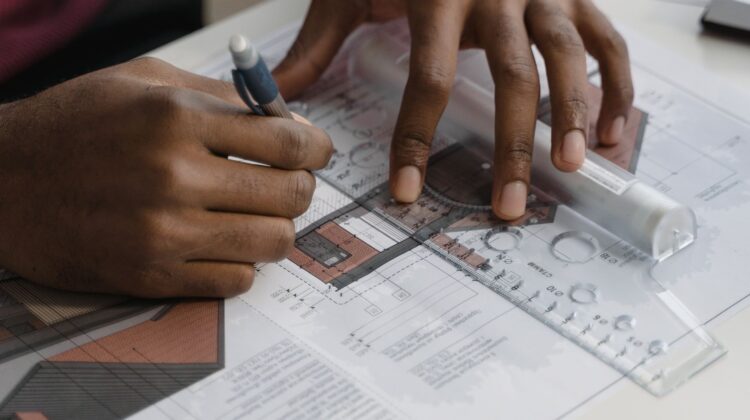
In commercial construction, productivity improvement starts with detailed project planning and extends through execution to handover. Effective coordination of design, procurement, MEP systems, and contractor activities reduces delays and rework. By integrating cost management and construction audit processes, project owners can maintain control over budgets and quality standards throughout the project.
Productivity Improvement through Construction Project Management
Construction project management is the backbone of productivity improvement in commercial projects. It ensures that every phase-from design management to construction supervision-is aligned with project goals. AMs specializes in end-to-end project cycle management, offering expertise in design and build, cost management, MEP coordination, and stakeholder communication. This holistic approach minimizes downtime and resource wastage.
Key productivity drivers include robust scheduling, risk management, and quality control. For example, early technical feasibility assessments help avoid costly design changes later. Similarly, timely procurement and vendor management ensure materials and equipment are available when needed, preventing work stoppages.
Planning vs Execution vs Handover: Managing Productivity at Each Stage
During the planning phase, productivity improvement focuses on comprehensive design coordination and clear project scopes. AMs emphasizes detailed construction planning and cost estimation to set realistic milestones. During execution, continuous monitoring through construction audits and quality checks keeps the project on track. Safety compliance and MEP coordination are critical to avoid delays and ensure smooth workflows.
Handover is often overlooked but is vital for productivity improvement. Proper documentation, snagging, and techno-commercial closeout processes ensure that project owners receive fully compliant and operational facilities without last-minute disruptions.
Common Mistakes to Avoid in Productivity Improvement
- Neglecting early-stage coordination between design and procurement teams
- Underestimating the complexity of MEP systems leading to installation delays
- Inadequate risk assessment causing schedule overruns
- Poor stakeholder communication resulting in misaligned expectations
- Ignoring construction audit findings that could prevent quality issues
When to Involve a Professional Project Management Consultant
Engaging a professional consultant like AMs early in the project lifecycle is essential for productivity improvement. Project owners should seek consultancy support during feasibility studies, tendering, and design finalization to embed cost and quality controls. Consultants also add value during procurement and contractor coordination, ensuring compliance with safety and statutory requirements.
Checklist for Productivity Improvement in Commercial Construction Projects
| Task | Responsibility | Timeline | Status |
|---|---|---|---|
| Technical feasibility assessment | Project Consultant | Pre-design | Pending |
| Design coordination meetings | Design Manager | Weekly during design phase | Ongoing |
| Procurement schedule finalization | Procurement Team | Before construction start | Pending |
| Construction audit and quality checks | Quality Team | Monthly during construction | Ongoing |
| MEP coordination and installation review | MEP Coordinator | During MEP installation | Upcoming |
| Safety compliance inspections | Safety Officer | Weekly | Ongoing |
| Techno-commercial closeout documentation | Project Consultant | Pre-handover | Pending |
Supporting Strategies: Cost Control and Risk Management
Cost control is integral to productivity improvement. AMs employs rigorous project cost tracking and construction audit techniques to identify variances early. Risk management processes, including contingency planning and regular reporting, help mitigate unforeseen issues that could hamper productivity.
Procurement checkpoints ensure timely availability of materials and equipment, reducing idle time on site. Coordinating contractors and subcontractors through clear communication channels also supports smoother project delivery.
FAQs on Productivity Improvement in Commercial Construction
What are the primary factors affecting productivity in commercial construction?
Factors include project complexity, design coordination, procurement delays, contractor performance, MEP integration, and quality control measures.
How can project owners improve productivity before starting construction?
Owners should focus on thorough project planning, technical feasibility assessments, and engaging professional project management consultancy early.
What role does MEP coordination play in productivity improvement?
Effective MEP coordination prevents installation clashes and rework, ensuring timely progress and compliance with safety standards.
When should a construction audit be conducted?
Regular audits during construction phases help identify quality issues and schedule risks, supporting continuous productivity improvement.
How does AMs support productivity improvement in built-to-suit projects?
AMs provides integrated project management, from design to handover, ensuring alignment with client requirements and efficient resource use.
What common mistakes reduce productivity in commercial construction?
Poor communication, late procurement, inadequate risk management, and ignoring audit findings are common pitfalls.
How do cost management and productivity improvement relate?
Controlling costs through accurate budgeting and tracking helps avoid delays caused by financial constraints, supporting overall productivity.
For more insights on managing complex commercial projects, Effective Performance Management Strategies for Commercial Construction Projects offers detailed guidance on construction project management best practices. Additionally, Boost Productivity Improvement in Commercial Construction Projects provides resources on procurement strategies that align with productivity goals.
In conclusion, productivity improvement in commercial construction demands a disciplined approach to project management, integrating design, procurement, MEP coordination, cost control, and quality assurance. Professional consultancy like AMs enhances these processes by providing expert oversight and coordination throughout the project lifecycle. By avoiding common mistakes and focusing on planning, execution, and handover phases, project owners can achieve better outcomes with optimized resource use and reduced risks.