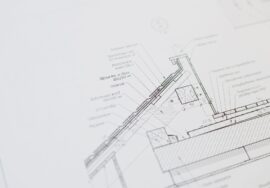

How Project Planning Impacts Corporate Office Interior Fitouts
Effective project planning is crucial in delivering successful corporate office interior fitouts. The focus on interior fitouts in corporate environments requires meticulous coordination of design, procurement, construction management, and stakeholder communication. AMs Project Consultants Pvt. Ltd. emphasizes that integrating project planning at the outset streamlines the entire fitout process, helping avoid common pitfalls such as delays, cost overruns, and quality compromises.
Useful reference: Statement of Work (SOW) : Definition, Process & Free Templates
Useful reference: Construction Project Management Standard Operating Procedure Guide
Interior fitouts demand a structured approach that aligns with business goals and operational needs. Early-stage project planning clarifies scope, sets realistic timelines, and identifies potential risks. This foundation enables better cost management and design coordination, which are essential for commercial office projects where functionality and aesthetics must coexist.
Why Interior Fitouts Require Specialized Project Planning
Corporate office interior fitouts involve multiple disciplines including architectural design, MEP coordination, procurement, and construction management. AMs’ expertise in end-to-end project cycle management ensures that each phase is carefully planned and monitored. Project planning defines the critical path, schedules contractor activities, and integrates quality and safety protocols specific to interior environments.
Without detailed planning, fitouts can suffer from scope creep, inefficient resource allocation, and compliance risks. For example, coordinating MEP installations within confined office spaces requires precise sequencing to avoid rework and delays. Project planning also helps in managing stakeholder expectations, from facility heads to procurement teams, ensuring alignment on deliverables and timelines.
Key Components of Project Planning for Interior Fitouts
- Scope Definition: Establishing clear project requirements and design intent to avoid ambiguity.
- Scheduling: Developing a detailed timeline that sequences design approvals, procurement, and construction activities.
- Cost Management: Implementing budget controls and procurement strategies to manage expenditures effectively.
- Quality & Safety Planning: Setting standards and inspection checkpoints to ensure compliance and workmanship quality.
- Stakeholder Coordination: Facilitating communication among architects, contractors, consultants, and client representatives.
AMs applies these components with a focus on commercial and institutional projects, where interior fitouts must meet stringent operational and compliance standards. Their construction audit and techno-commercial closeout services further validate project outcomes against initial plans.
Planning vs Execution vs Handover in Interior Fitouts
The project lifecycle for interior fitouts can be segmented into planning, execution, and handover phases. During planning, AMs conducts technical feasibility studies and design management to align the project scope with client expectations. Execution involves construction management and MEP coordination, ensuring that contractors follow the planned schedule and quality benchmarks.
The handover phase includes snagging, quality audits, and compliance checks. A well-planned project reduces issues during handover, facilitating smooth occupancy and operational readiness. AMs’ role in stakeholder coordination during this phase is critical to addressing punch list items promptly.
Common Mistakes to Avoid in Interior Fitout Project Planning
- Underestimating the complexity of MEP integration within office spaces.
- Inadequate communication between design and construction teams.
- Skipping detailed procurement planning leading to material delays.
- Ignoring safety and compliance requirements specific to commercial interiors.
- Failing to involve professional project management consultants early in the process.
Engaging AMs Project Consultants Pvt. Ltd. early can mitigate these risks by providing expert construction project management consultancy that covers all aspects from design coordination to quality and safety compliance.
When to Involve a Professional Project Management Consultant
Project owners should consider involving a professional consultant like AMs at the conceptual stage of interior fitouts. Early involvement ensures technical feasibility assessments and cost management strategies are integrated into the project plan. It also supports procurement planning and contractor coordination, reducing the likelihood of costly changes during execution.
AMs’ comprehensive approach includes construction audit and techno-commercial closeout, which are vital for institutional and industrial clients requiring built-to-suit delivery and strict compliance adherence.
Checklist for Effective Corporate Office Interior Fitout Planning
| Planning Aspect | Key Actions |
|---|---|
| Scope Definition | Confirm design brief, functional requirements, and compliance needs |
| Scheduling | Create detailed timelines with milestones for design, procurement, and construction |
| Cost Management | Establish budget, track expenses, and plan procurement strategically |
| Quality & Safety | Define inspection points, safety protocols, and compliance audits |
| Stakeholder Coordination | Set regular meetings, reporting formats, and communication channels |
Following this checklist helps project owners and teams maintain control over complex interior fitout projects and aligns with AMs’ project management best practices.
Comparing Project Delivery Models for Interior Fitouts
Choosing the right project delivery model affects planning and execution. Design and Build offers a single-point responsibility, streamlining coordination but requiring early contractor involvement. Traditional Design-Bid-Build separates design and construction, which can lead to longer timelines but allows detailed design control.
AMs supports clients in selecting and managing the appropriate delivery model based on project complexity, budget, and timeline constraints. Their expertise in procurement and construction management ensures that whichever model is chosen, the project remains on track and within defined parameters.
Conclusion
Project planning significantly impacts the success of corporate office interior fitouts. It provides the framework for managing design coordination, procurement, construction management, quality, safety, and stakeholder communication. AMs Project Consultants Pvt. Ltd. offers specialized construction project management consultancy that addresses the unique challenges of interior fitouts in commercial and institutional settings. Early and thorough project planning reduces risks, controls costs, and ensures a smooth handover, ultimately supporting business objectives effectively.
For those seeking expert guidance on interior fitouts, involving AMs early in the project lifecycle can enhance decision-making and project delivery quality. Proper planning is not just a phase but the backbone of a successful fitout.
Frequently Asked Questions
What are the key risks in corporate office interior fitouts?
Common risks include design changes, procurement delays, MEP coordination issues, and non-compliance with safety standards. Effective project planning helps mitigate these risks.
How does AMs support cost management in interior fitouts?
AMs implements cost tracking, procurement planning, and budget controls throughout the project lifecycle to manage expenditures without compromising quality.
When should a project owner involve a construction project management consultant?
Ideally, at the conceptual or design stage to influence technical feasibility, cost planning, and procurement strategies.
What is the role of MEP coordination in interior fitouts?
MEP coordination ensures mechanical, electrical, and plumbing systems are integrated efficiently within the office space, avoiding clashes and rework.
How can quality and safety be maintained during interior fitouts?
By establishing inspection checkpoints, following compliance protocols, and engaging professional consultants to oversee construction and audit processes.
What are common mistakes to avoid in interior fitout projects?
Underestimating MEP complexities, poor communication, skipping procurement planning, ignoring safety, and late involvement of consultants.
How does project planning affect the handover phase?
Good planning reduces snagging issues and compliance gaps, enabling a smoother and timely handover to the client.
For more detailed insights on related topics, visit Key Considerations in Corporate Office Interiors Fitouts and Construction Reporting Best Practices in Corporate Office Fitouts.