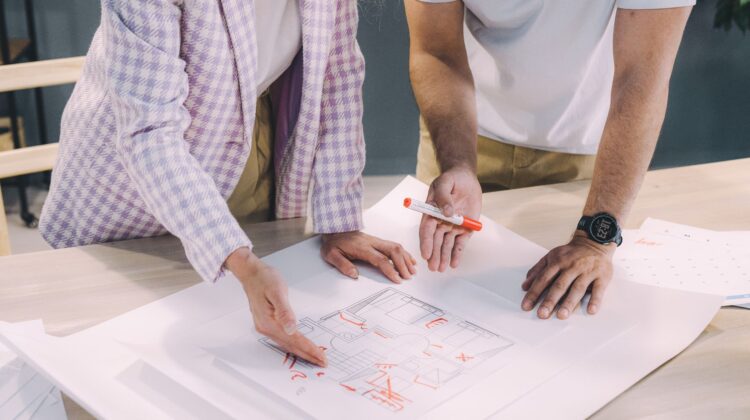
How Design Coordination Impacts Construction Project Monitoring
Design coordination plays a crucial role in construction project monitoring, ensuring that all design elements align with project goals and timelines. Effective design coordination helps streamline communication between architects, engineers, contractors, and project managers, reducing errors and delays during execution.
Useful reference: OSHA Construction Industry Guidance
Useful reference: PMI Construction Extension to the PMBOK Guide
In construction project monitoring, design coordination acts as a bridge between the planning and execution phases. It allows project stakeholders to track design progress, identify discrepancies early, and manage changes efficiently. AMs Project Consultants Pvt. Ltd. emphasizes this integration as part of their end-to-end project cycle management approach.
Understanding Design Coordination in Construction Project Monitoring
Design coordination involves managing the collaboration of multidisciplinary teams to produce a unified design package. This includes architectural, structural, MEP (mechanical, electrical, plumbing), and interior fit-out designs. For commercial, industrial, and institutional projects, this coordination is vital to avoid clashes, rework, and cost overruns.
AMs integrates design coordination with project monitoring tools to provide real-time updates on design status, approvals, and revisions. This integration supports effective scheduling, procurement planning, and contractor coordination, ensuring that design changes do not disrupt construction progress.
Key Benefits of Design Coordination for Project Monitoring
- Improved Communication: Centralized design data ensures all stakeholders have access to the latest drawings and specifications.
- Risk Mitigation: Early detection of design conflicts reduces the risk of costly on-site changes.
- Cost Control: Coordinated designs help maintain budget accuracy by minimizing scope creep and rework.
- Enhanced Quality: Consistent design standards support compliance and quality assurance throughout the project lifecycle.
- Streamlined Procurement: Accurate design details assist procurement teams in timely material sourcing and vendor selection.
Design Coordination vs. Project Monitoring: How They Interrelate
While project monitoring tracks overall progress, cost, and quality, design coordination focuses specifically on the integrity of the design inputs feeding into construction. Without effective design coordination, project monitoring can become reactive rather than proactive, dealing with issues after they arise.
AMs uses integrated software platforms to link design coordination with project monitoring dashboards. This enables stakeholders to visualize design milestones alongside construction schedules, improving decision-making and resource allocation.
Common Challenges in Design Coordination and How to Avoid Them
- Fragmented Communication: Avoid siloed teams by establishing a single source of truth for all design documents.
- Late Design Changes: Implement strict change management protocols to assess impact before approval.
- Inadequate Stakeholder Involvement: Engage all relevant parties early, including procurement and facility management teams.
- Poor Documentation: Maintain detailed records of design revisions, approvals, and stakeholder comments.
Checklist for Effective Design Coordination in Project Monitoring
| Task | Responsible Party | Timeline | Status |
|---|---|---|---|
| Collect initial design inputs | Architects, Engineers | Project Planning Phase | Completed |
| Conduct design review meetings | Project Manager, PMC | Monthly | Ongoing |
| Identify and resolve design clashes | Design Coordination Team | During Design Development | In Progress |
| Update design documents and distribute | Design Team | After each revision | Ongoing |
| Integrate design status into project monitoring | PMC, Project Controls | Throughout Project | Active |
When to Involve a Professional Project Management Consultant
Engaging a professional consultant like AMs early in the project helps establish robust design coordination processes aligned with overall project monitoring. Consultants bring expertise in managing multidisciplinary teams, technical feasibility reviews, and techno-commercial closeout. This reduces risks and supports smoother project delivery for commercial offices, warehouses, and institutional facilities.
Planning vs Execution vs Handover: Design Coordination Throughout the Project Cycle
During planning, design coordination ensures clarity in scope and technical requirements. In execution, it supports real-time monitoring of design implementation and contractor adherence. At handover, it guarantees that as-built designs reflect actual construction, facilitating operations and maintenance.
AMs emphasizes continuous design coordination to maintain alignment with quality, safety, and compliance standards at every stage.
Common Mistakes to Avoid in Design Coordination
- Ignoring early stakeholder inputs causing rework
- Failing to update design documents promptly
- Underestimating the impact of design changes on procurement and schedules
- Lack of proper communication channels between design and construction teams
FAQs on Design Coordination and Construction Project Monitoring
What is design coordination in construction?
Design coordination is the process of integrating and managing multidisciplinary design inputs to create a cohesive project design that supports smooth construction and project monitoring.
How does design coordination improve project monitoring?
It ensures design accuracy and timely updates, reducing errors and enabling proactive tracking of design-related milestones within the overall project schedule.
Who is responsible for design coordination?
Typically, project managers, PMC consultants, architects, engineers, and design teams collaborate to manage design coordination effectively.
What tools support design coordination?
Integrated project management platforms, BIM (Building Information Modeling), and document management systems help centralize design data and facilitate coordination.
When should design coordination start in a project?
Design coordination should start in the early planning phase and continue throughout execution and handover to ensure consistency and quality.
How does design coordination affect procurement?
Accurate and coordinated design documents enable procurement teams to source materials and equipment on time, avoiding delays and cost overruns.
Can design coordination reduce construction risks?
Yes, by identifying design clashes and discrepancies early, it minimizes onsite rework, safety hazards, and contractual disputes.
For detailed guidance on integrating design coordination with overall project monitoring, project owners should check design completeness, stakeholder roles, and change management processes before starting. Key Vendor Management Practices in Construction Project Tracking
AMs Project Consultants Pvt. Ltd. offers expert consultancy in design management, MEP coordination, construction audit, and procurement support to enhance project monitoring effectiveness. For insights on procurement integration, see How Site Management Impacts Cost Control in Construction Projects.
In conclusion, design coordination is not just a design phase activity but a continuous process that significantly impacts construction project monitoring. Proper coordination ensures better communication, risk mitigation, cost control, and quality assurance across commercial, industrial, and institutional projects.