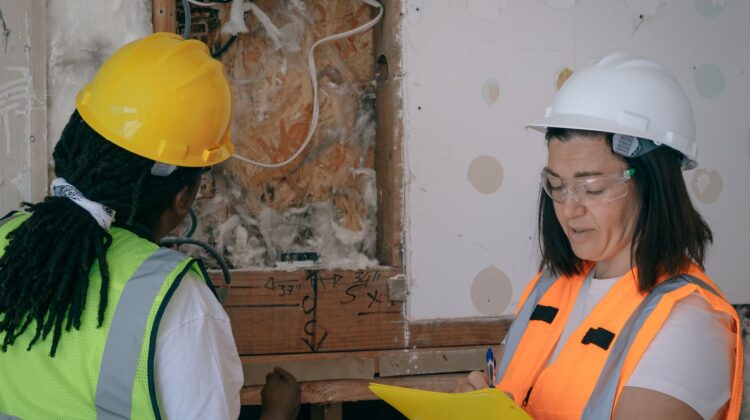
Construction Audit Best Practices for Effective Project Management
Construction audit is a critical component of effective project management in commercial construction. It ensures that projects stay aligned with planned budgets, timelines, quality standards, and compliance requirements. For business owners, real estate developers, architects, and project stakeholders, understanding construction audit best practices can help mitigate risks and improve project delivery outcomes.
Useful reference: OSHA Construction Industry Guidance
Useful reference: PMI Construction Extension to the PMBOK Guide
At AMs Project Consultants Pvt. Ltd., construction audit forms an integral part of our comprehensive project management consultancy services. Our approach covers the entire project cycle-from design management, procurement, and MEP coordination to construction supervision and techno-commercial closeout. This article explores practical construction audit techniques tailored for commercial, industrial, and institutional projects.
Construction Audit in Project Management: Key Practices
A construction audit involves systematic review and verification of project activities, costs, quality, and compliance. It is not just a financial exercise but a holistic check that supports decision-making and stakeholder coordination throughout the project life cycle.
Successful construction audits focus on these core areas:
- Cost Management: Tracking budget adherence, verifying invoices, and ensuring procurement aligns with approved contracts.
- Quality Control: Inspecting materials, workmanship, and adherence to design specifications and safety standards.
- Compliance and Documentation: Verifying statutory approvals, contract compliance, and maintaining audit trails for all project phases.
- Risk Identification: Early detection of potential delays, cost overruns, or technical issues through site inspections and progress reviews.
- Stakeholder Coordination: Ensuring communication among contractors, architects, consultants, and clients to resolve discrepancies promptly.
When to Involve a Professional Project Management Consultant
Engaging a professional consultant like AMs early in the project ensures construction audit processes are embedded from planning through execution and handover. This proactive involvement helps avoid common pitfalls such as incomplete documentation, unclear cost tracking, or overlooked compliance checkpoints.
AMs’ expertise in design and build, MEP coordination, and built-to-suit projects enables efficient audit preparation and reporting. Our consultants provide objective assessments that support transparent decision-making and enhance project delivery confidence.
Common Construction Audit Mistakes to Avoid
- Ignoring early-stage audit planning, leading to reactive problem-solving.
- Overlooking subcontractor compliance and documentation gaps.
- Failing to integrate audit findings with cost management and procurement controls.
- Underestimating the importance of MEP and design coordination audits.
- Delaying audit reviews until project completion, missing opportunities for corrective action.
Checklist for Effective Construction Audit
| Audit Area | Key Activities | Responsible Stakeholder |
|---|---|---|
| Cost Control | Invoice verification, budget tracking, procurement review | Cost Manager, PMC |
| Quality Inspection | Material testing, workmanship checks, safety audits | Quality Manager, Site Engineer |
| Compliance | Statutory approvals, contract adherence, documentation | Legal Advisor, PMC |
| Risk Assessment | Progress monitoring, delay analysis, issue reporting | Project Manager, Consultant |
| Stakeholder Coordination | Meeting minutes, communication logs, conflict resolution | Project Owner, PMC |
Planning, Execution, and Handover: Audit Focus Areas
During the planning phase, construction audit validates design feasibility, budget estimates, and procurement strategies. It ensures all stakeholders agree on project scope and deliverables.
Throughout execution, audits monitor site activities, quality, costs, and compliance. Regular site inspections and progress reports are essential to identify deviations early.
At handover, audit focuses on final quality checks, compliance certifications, and documentation completeness. This phase confirms the project meets contractual and regulatory requirements before client acceptance.
AMs integrates these audit stages with our project management consultancy services to provide seamless project delivery for commercial offices, warehouses, institutional buildings, and industrial facilities.
Comparing Construction Audit Approaches
There are various audit approaches, each with strengths and limitations. Understanding these can help project owners select the right method or consultant support.
| Audit Type | Focus | Benefits | Limitations |
|---|---|---|---|
| Financial Audit | Cost verification, invoice accuracy | Ensures budget control | May overlook quality or compliance |
| Technical Audit | Design compliance, workmanship | Improves quality and safety | Less focus on costs |
| Compliance Audit | Regulatory and contract adherence | Reduces legal risks | Requires legal expertise |
| Integrated Audit | Combines financial, technical, compliance | Holistic project view | More resource intensive |
AMs advocates an integrated audit approach supported by specialized teams in cost management, design coordination, and MEP. This ensures comprehensive project oversight and timely corrective actions.
What Project Owners Should Check Before Starting a Construction Audit
- Availability of complete design and contract documents
- Clear definition of audit scope and objectives
- Identification of responsible audit team members
- Access to procurement and cost records
- Schedule for regular audit reviews and reporting
Ensuring these elements upfront enables smoother audits and actionable insights.
FAQs on Construction Audit
What is the main purpose of a construction audit?
The main purpose is to verify that construction activities comply with budget, quality, and regulatory requirements, supporting effective project management.
How often should construction audits be conducted?
Audits should be scheduled at key project milestones-planning, mid-execution, and pre-handover-to identify and resolve issues early.
Who is responsible for performing construction audits?
Typically, professional project management consultants, cost managers, quality inspectors, and legal advisors collaborate to conduct comprehensive audits.
Can construction audits prevent project delays?
While audits help identify risks and deviations early, they do not guarantee prevention of delays but enable proactive management to minimize impact.
How does construction audit relate to cost management?
Construction audit verifies cost control measures, invoice accuracy, and procurement compliance, complementing cost management processes.
Is construction audit required for all commercial projects?
While not legally mandatory for all projects, audits are highly recommended for complex commercial, industrial, and institutional projects to ensure transparency and control.
When should I involve AMs for construction audit support?
Involve AMs early during project planning to embed audit best practices and maintain oversight throughout execution and handover.
For more detailed insights on project delivery and design coordination, visit Effective Performance Management Strategies for Commercial Construction Projects. To understand cost management integration with audits, see Effective Project Management Strategies for Commercial Construction Success.
In conclusion, construction audit is an essential practice for effective project management in commercial construction. By adopting best practices and involving professional consultants like AMs, project owners and stakeholders can enhance quality, control costs, and ensure compliance throughout the project life cycle.