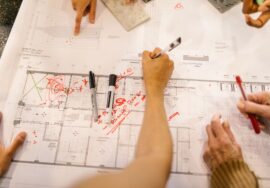

Construction Audit Best Practices for Effective Project Management
Construction audit is a crucial process in commercial construction project management. It ensures that projects comply with planned specifications, budgets, and quality standards. For business owners, real estate developers, architects, and other stakeholders, understanding construction audit best practices can greatly improve project delivery and reduce risks.
Useful reference: OSHA Construction Industry Guidance
Useful reference: PMI Construction Extension to the PMBOK Guide
At AMs Project Consultants Pvt. Ltd., construction audit forms an integral part of our end-to-end project cycle management. We focus on detailed quality checks, cost control, compliance verification, and stakeholder coordination to provide transparent and actionable audit insights for commercial, industrial, and institutional projects.
Construction Audit: Key Practices for Project Management Success
Construction audit involves systematic examination of project activities, documentation, and financials to identify discrepancies, risks, and opportunities for improvement. Effective audits cover several dimensions:
- Planning and Documentation Review: Verifying project plans, contracts, procurement records, and statutory approvals to confirm alignment with project scope and timelines.
- Cost Control and Budget Tracking: Monitoring expenditures against approved budgets, identifying variances early, and advising corrective actions.
- Quality and Compliance Checks: Inspecting workmanship, materials, and safety measures to ensure adherence to specifications and regulatory standards.
- Risk Identification and Mitigation: Highlighting potential project risks related to delays, cost overruns, or contractual issues.
- Stakeholder Coordination: Ensuring clear communication between contractors, consultants, and project owners to maintain transparency.
AMs integrates construction audit with MEP coordination, design management, and procurement oversight to provide a comprehensive project management consultancy solution. This holistic approach helps detect issues early in the project lifecycle, facilitating better decision-making.
When to Involve a Professional Construction Project Management Consultant
Engaging a professional consultancy like AMs for construction audit is advisable during key project phases:
- Pre-construction: To review design feasibility, procurement strategies, and contract documents.
- Mid-construction: For ongoing quality audits, cost monitoring, and risk assessments.
- Pre-handover: To verify compliance, complete snagging lists, and prepare techno-commercial closeout documentation.
This staged involvement ensures continuous oversight and reduces surprises at project completion.
Common Mistakes to Avoid in Construction Audit
- Relying solely on financial data without physical site verification.
- Ignoring MEP coordination and design management during audits.
- Delaying audit activities until late project stages.
- Overlooking procurement documentation and contractual compliance.
- Failing to engage all relevant stakeholders for transparent communication.
Planning vs Execution vs Handover: Audit Focus Areas
Each project phase requires tailored audit focus:
- Planning: Document verification, risk identification, and procurement readiness.
- Execution: Quality inspections, progress tracking, cost control, and safety compliance.
- Handover: Final quality checks, defect rectification, contract closeout, and documentation completeness.
AMs ensures audit checkpoints align with these phases to maintain project integrity.
Construction Audit Checklist for Project Owners
| Audit Aspect | Key Checks |
|---|---|
| Documentation | Contract review, statutory approvals, design drawings, procurement records |
| Cost Management | Budget vs actual, change order approvals, payment certifications |
| Quality Control | Material certifications, workmanship inspections, safety audits |
| Risk Management | Delay analysis, compliance issues, contractor performance |
| Stakeholder Coordination | Meeting minutes, communication logs, issue resolution |
How Construction Audit Supports Cost Control and Project Delivery
Construction audit provides early warnings on budget deviations and quality gaps. By integrating audit findings with cost management and procurement oversight, AMs helps project owners maintain control over expenditures and timelines. This proactive approach supports smoother project delivery and better alignment with business objectives.
For example, during a commercial office fit-out, AMs identified procurement delays and quality inconsistencies through audit checkpoints. Early intervention allowed corrective actions that prevented costly rework and schedule slippage.
Similarly, in industrial warehouse projects, audit-driven MEP coordination ensured systems were installed per design, avoiding costly retrofits.
These examples highlight the value of combining construction audit with broader project management consultancy services.
Frequently Asked Questions About Construction Audit
What is the primary purpose of a construction audit?
It is to verify that construction activities comply with project plans, budgets, quality standards, and regulatory requirements, reducing risks and ensuring project objectives are met.
How often should construction audits be conducted?
Audits should be staged at key project milestones: pre-construction, during execution phases, and before handover to ensure continuous oversight.
Can construction audit prevent cost overruns?
While it cannot guarantee prevention, regular audits help identify budget variances early, enabling timely corrective actions to control costs.
What documentation is essential for a thorough construction audit?
Key documents include contracts, design drawings, procurement records, progress reports, payment certificates, and statutory approvals.
Who should be involved in the construction audit process?
Project owners, project management consultants, contractors, procurement teams, and quality and safety officers should collaborate for effective audits.
How does construction audit integrate with MEP coordination?
Audits verify that MEP installations comply with design and quality standards, ensuring systems function correctly and minimizing rework.
When should project owners consider hiring a construction audit consultant?
Engage consultants early during planning and maintain involvement through execution and handover for comprehensive project oversight.
In conclusion, construction audit is a vital component of effective construction project management. By following best practices, avoiding common pitfalls, and involving professional consultants like AMs, project stakeholders can enhance transparency, control costs, and improve project outcomes. For commercial, industrial, or institutional projects, integrating construction audit with design management, procurement, and MEP coordination ensures a well-rounded approach to project delivery.
For more insights on managing your construction projects, explore our detailed guides on project planning and cost management at Effective Commercial Planning Strategies for Construction Project Success and procurement strategies at Effective Construction Delivery Strategies for Commercial Projects.