
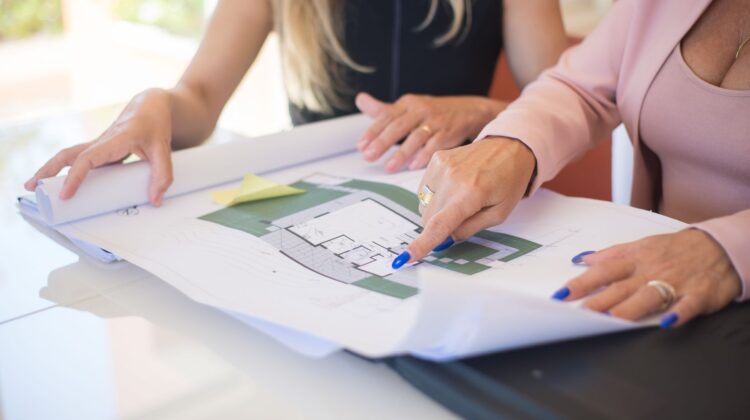
Effective Planning Monitoring for Successful Construction Project Delivery
Construction Planning helps project owners plan, coordinate and control construction work with clearer responsibilities, better reporting and structured project delivery.
Useful reference: OSHA Construction Industry Guidance
Useful reference: PMI Construction Extension to the PMBOK Guide
Construction Planning: What Project Owners Should Know
Planning monitoring is a critical process in construction project management that ensures projects progress according to schedule, budget, and quality standards. For commercial, industrial, and institutional projects, effective planning monitoring helps identify risks early, coordinate stakeholders, and maintain alignment with design and procurement activities. This article explores how professional construction project management consultancy, like AMs Project Consultants Pvt. Ltd., supports successful project delivery through robust planning monitoring.
Construction projects involve complex interdependencies between design, procurement, construction, and commissioning phases. Without active planning monitoring, delays, cost overruns, and quality issues can escalate quickly. AMs emphasizes end-to-end project cycle management, combining design build, cost management, MEP coordination, and construction audit to maintain control at every stage.
Understanding Planning Monitoring in Construction Project Management
Planning monitoring refers to the continuous tracking and evaluation of project activities against the approved project plan. It involves reviewing schedules, budgets, resource allocation, and compliance checkpoints. In construction, this means regularly updating the project timeline, verifying contractor progress, managing procurement lead times, and ensuring design changes are integrated seamlessly.
At AMs, planning monitoring is integrated with quality, safety, and compliance audits to provide a comprehensive view of project health. This proactive approach helps mitigate risks such as delayed material deliveries, coordination conflicts, or unforeseen site conditions.
Key Components of Effective Planning Monitoring
- Schedule Tracking: Use of detailed Gantt charts and milestone tracking to ensure timely completion of design, procurement, and construction phases.
- Cost Monitoring: Continuous review of budgets and expenditures to avoid overruns, including cost control during procurement and construction audit.
- Stakeholder Coordination: Regular communication between owners, architects, contractors, and suppliers to align expectations and resolve issues quickly.
- Quality and Safety Checks: Routine inspections and documentation to maintain compliance with standards and statutory requirements.
- Risk Management: Identification and mitigation of potential delays, technical challenges, or resource shortages through contingency planning.
Planning Monitoring vs Execution and Handover
Planning monitoring is distinct but closely linked to execution and handover phases. While planning monitoring focuses on tracking and adjusting the project plan, execution is the actual on-site construction work. Handover involves final quality checks, documentation, and client acceptance.
AMs Project Consultants emphasize smooth transitions between these phases. Effective planning monitoring ensures execution proceeds as intended, minimizing surprises at handover. This includes managing MEP coordination and construction audit processes that confirm all systems function correctly before project closeout.
When to Involve a Professional Project Management Consultant
Engaging a professional consultancy like AMs early in the project helps establish a realistic and detailed project plan. Consultants bring expertise in techno-commercial closeout, procurement strategy, and design management, which are vital for complex built-to-suit or commercial office projects.
Professional involvement is crucial when dealing with multi-disciplinary coordination, tight timelines, or high compliance requirements. AMs’ integrated approach supports decision-making through transparent reporting and expert risk assessments.
Common Mistakes to Avoid in Planning Monitoring
- Neglecting Regular Updates: Outdated schedules lead to inaccurate progress tracking and delayed corrective actions.
- Ignoring Stakeholder Communication: Lack of coordination causes conflicts and rework, impacting cost and timelines.
- Overlooking Procurement Lead Times: Late material deliveries disrupt construction sequences and escalate costs.
- Insufficient Quality and Safety Oversight: Non-compliance risks legal issues and project delays.
- Failing to Document Changes: Unrecorded design or scope changes create confusion during execution and handover.
Project Planning Monitoring Checklist
| Task | Responsible | Frequency | Status |
|---|---|---|---|
| Update project schedule and milestones | Project Manager | Weekly | Pending/Completed |
| Review procurement progress | Procurement Team | Bi-weekly | Pending/Completed |
| Conduct quality and safety inspections | Quality & Safety Officer | Weekly | Pending/Completed |
| Coordinate stakeholder meetings | Project Coordinator | Weekly | Pending/Completed |
| Update risk register and mitigation plans | Risk Manager | Monthly | Pending/Completed |
Planning Monitoring in Cost Control and Procurement
Cost control is a vital part of planning monitoring. AMs integrates cost management with project scheduling to track expenditures against budgets continuously. Procurement checkpoints ensure timely ordering and delivery of materials, avoiding costly delays.
Construction audit complements this by verifying that invoiced costs match work progress and contract terms. This layered approach reduces financial risks and supports transparent reporting to project owners and stakeholders.
How AMs Supports Construction Project Monitoring
AMs Project Consultants Pvt. Ltd. offers comprehensive construction project monitoring services tailored to commercial, industrial, and institutional projects. Their expertise spans design management, MEP coordination, procurement strategy, construction audit, and quality compliance.
By integrating planning monitoring with these disciplines, AMs helps clients maintain control over complex project variables. This reduces uncertainties and supports informed decision-making throughout the project lifecycle.
For example, in a corporate office fit-out, AMs coordinates between architects, MEP engineers, and contractors to update schedules and budgets weekly. This prevents scope creep and ensures that procurement aligns with installation timelines.
Conclusion
Effective planning monitoring is indispensable for successful construction project delivery. It ensures projects stay on schedule, within budget, and meet quality and safety standards. For complex commercial and industrial projects, professional project management consultancy like AMs provides the expertise needed to integrate planning monitoring with cost control, procurement, and construction audit.
Project owners should prioritize early involvement of consultants to establish realistic plans and maintain continuous oversight. Avoiding common pitfalls such as poor communication and outdated schedules helps minimize risks and supports smooth project execution and handover.
By adopting a structured planning monitoring approach, stakeholders can improve transparency, reduce delays, and achieve better project outcomes.
Frequently Asked Questions
What is the difference between planning monitoring and project scheduling?
Project scheduling involves creating the timeline and sequence of activities. Planning monitoring is the ongoing process of tracking progress against that schedule and making adjustments as needed.
How often should planning monitoring be conducted on a construction project?
Planning monitoring should be conducted regularly, typically weekly or bi-weekly, depending on project complexity and phase, to ensure timely identification of issues.
What role does procurement play in planning monitoring?
Procurement affects project timelines through material lead times and availability. Monitoring procurement progress is essential to prevent delays in construction activities.
Can planning monitoring help reduce construction costs?
Yes, by identifying schedule deviations and procurement issues early, planning monitoring supports cost control and avoids expensive last-minute changes or delays.
When is the best time to involve a project management consultant for planning monitoring?
Engage consultants early during project planning to develop realistic schedules and monitoring frameworks, especially for complex or large-scale projects.
How does planning monitoring integrate with construction audit?
Planning monitoring tracks progress and schedules, while construction audit verifies quality, safety, and compliance. Together, they provide a holistic view of project health.
What are common mistakes to avoid in planning monitoring?
Common mistakes include neglecting updates, poor stakeholder communication, ignoring procurement timelines, and insufficient documentation of changes.
For more detailed insights on managing commercial construction projects, visit Effective Procurement Monitoring Strategies for Construction Project Success. To understand cost management techniques in construction, see Effective Planning Management for Successful Construction Project Delivery.
In commercial and industrial projects, construction planning is most useful when planning, coordination, cost control, quality checks and handover responsibilities are clearly documented from the start.