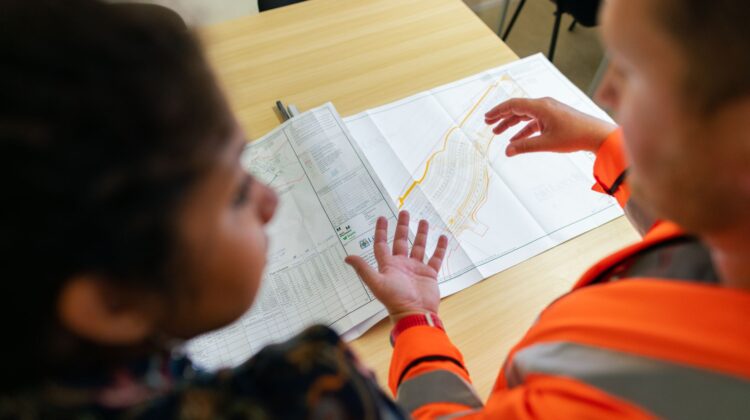
Construction Planning and Scheduling Software Comparison for Effective Project Management
Construction planning and scheduling software comparison is essential for project owners and stakeholders aiming to streamline project delivery in commercial, industrial, and institutional projects. Choosing the right software supports effective construction project management, ensuring coordination across design, procurement, MEP, and site execution phases.
Useful reference: OSHA Construction Industry Guidance
Useful reference: PMI Construction Extension to the PMBOK Guide
With multiple options available, understanding their capabilities in handling end-to-end project cycle management, cost controls, quality checks, and stakeholder coordination is critical. This article reviews key software features relevant to professional construction project management consultancy, helping decision makers select tools aligned with complex project requirements.
Construction Planning and Scheduling Software Comparison: Key Factors for Project Management
When evaluating construction planning and scheduling software, focus on features that enhance project delivery and construction management. Effective software should integrate planning, resource allocation, cost management, risk tracking, and reporting to support commercial and industrial projects.
AMs Project Consultants Pvt. Ltd. emphasizes the importance of software that complements professional consultancy services such as design management, MEP coordination, and construction audit. This combination ensures that project timelines, safety, and compliance are managed with precision.
Core Features to Consider
- Task Scheduling and Dependencies: Ability to create detailed Gantt charts with task dependencies, milestones, and critical path analysis.
- Resource and Cost Management: Tools for tracking labor, materials, and equipment costs aligned with project budgets.
- Collaboration and Stakeholder Coordination: Platforms that facilitate communication between architects, contractors, procurement teams, and client representatives.
- Risk and Compliance Tracking: Modules for monitoring safety protocols, statutory approvals, and quality control checkpoints.
- Reporting and Audit Trails: Comprehensive dashboards and exportable reports for construction audit and project closeout documentation.
Popular Software Options Compared
| Software | Best For | Strengths | Limitations |
|---|---|---|---|
| Primavera P6 | Large-scale industrial and infrastructure projects | Advanced scheduling, resource leveling, risk management | Steep learning curve, higher cost |
| Microsoft Project | Commercial and corporate office projects | Familiar interface, integration with MS Office, flexible scheduling | Limited real-time collaboration, basic cost tracking |
| Procore | End-to-end construction management | Cloud-based, strong collaboration, integrated procurement and quality | Subscription cost, dependent on internet connectivity |
| Buildertrend | Residential and smaller commercial projects | User-friendly, good for cost tracking and client communication | Less suited for complex industrial projects |
When to Involve a Professional Project Management Consultant
While software tools improve efficiency, complex projects benefit from expert consultancy. AMs Project Consultants Pvt. Ltd. advises involving professional consultants during software selection and implementation to ensure alignment with project scope, technical feasibility, and compliance requirements.
Consultants help interpret software outputs into actionable construction management decisions. They also support design coordination, MEP integration, and procurement processes, reducing risks related to cost overruns and schedule delays.
Common Mistakes to Avoid
- Choosing software based solely on cost without evaluating project complexity.
- Ignoring integration capabilities with existing project management workflows.
- Underestimating training needs for staff and stakeholders.
- Overlooking compliance and audit features critical for statutory approvals.
Planning vs Execution vs Handover in Construction Project Management
Effective construction planning and scheduling software supports all project phases. During planning, it helps define timelines, resource needs, and risk mitigation strategies. In execution, it tracks progress, manages changes, and coordinates contractors. For handover, it documents quality checks, compliance, and final audits.
AMs consultants emphasize that software is a tool to empower project teams but must be complemented by professional oversight in quality, safety, and techno-commercial closeout.
Practical Checklist for Selecting Construction Planning and Scheduling Software
- Assess project type and scale (commercial, industrial, institutional).
- Identify must-have features: scheduling, cost control, collaboration.
- Evaluate integration with procurement and MEP coordination tools.
- Check reporting capabilities for construction audit and compliance.
- Consider user training and support availability.
- Review data security and cloud vs on-premise options.
- Request demos and pilot testing with project teams.
FAQs
What are the benefits of using construction planning and scheduling software?
It improves project timeline visibility, resource allocation, cost tracking, and stakeholder coordination, helping reduce delays and cost overruns.
Can software replace the need for professional project management consultancy?
No, software complements consultancy by providing data and tools, but expert oversight ensures quality, safety, and compliance.
Which software is best for large industrial projects?
Primavera P6 is widely preferred for its advanced scheduling and risk management features suited to complex industrial projects.
How does software support MEP coordination?
Some platforms integrate MEP scheduling and procurement, enabling better coordination between design and construction teams.
What should project owners check before selecting software?
They should verify feature sets, compatibility with existing processes, user-friendliness, and support services.
How does construction audit benefit from scheduling software?
Software provides detailed logs and reports that facilitate quality checks, compliance tracking, and project closeout documentation.
When is the right time to involve a construction project management consultant?
Consultants should be involved early during project planning and software selection to align tools with project goals and regulatory requirements.
Choosing the right construction planning and scheduling software is critical for managing complex projects effectively. By focusing on features that support comprehensive project delivery, cost management, and stakeholder coordination, project owners can enhance outcomes. However, partnering with professional consultants like AMs ensures that software tools are optimized within a robust project management framework.
For more insights on construction project management consultancy, visit How to Choose a Construction Project Management Consultant for Successful Project Delivery. To explore advanced cost management techniques, see Construction Audit Importance in Project Success for Effective Delivery.